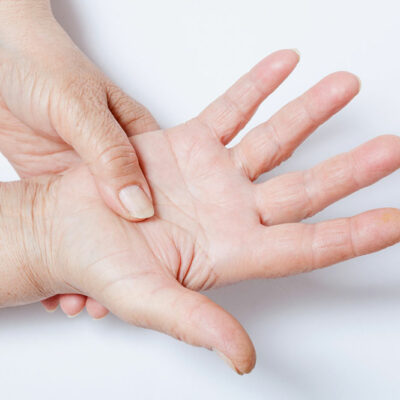
6 early warning signs of eczema
health

6 early warning signs of eczema

Eczema is a common skin condition that affects millions of individuals in the country. It is characterized by symptoms that can disrupt a person’s daily life. While these symptoms can be distressing, they are treatable, and steps can be taken to alleviate discomfort and prevent flare-ups. Early recognition of the warning signs can help manage this condition and treat it more effectively. So, here are some early warning signs of eczema to look out for: Dry, itchy skin Eczema often manifests as dry and itchy skin. People with this condition might notice their skin becoming rough, scaly, or excessively parched. This persistent dryness and itchiness can be an initial sign that eczema is developing. Inflamed patches Eczema can cause redness and inflammation on the skin’s surface. These patches may appear in various areas of the body, including the face, neck, elbows, and knees. It could be an early sign of eczema if one notices unusual redness or irritation, especially in recurring patches. Bumps or small blisters Eczema can lead to small bumps or blisters on the skin. These may be filled with clear fluid and can be intensely itchy. These bumps often appear in clusters and are a characteristic feature of eczema, particularly in its early stages.
10 alarming signs of a migraine
health

10 alarming signs of a migraine

Migraines extend beyond mere headaches, often presenting a spectrum of alarming signs and symptoms that can be distressing and disruptive. From visual disturbances and sensory changes to nausea and cognitive impairment, these warning signs of a migraine attack can significantly impact an individual’s well-being. Let’s delve into some of the most alarming signs associated with migraines and understand the importance of recognizing and addressing these symptoms for prompt management and relief. Aura Many people with migraines experience a visual disturbance known as an aura before the headache begins. Auras may include flashing lights, blind spots, zigzag lines, or other visual anomalies. These typically last about 20 minutes to an hour and can be unsettling. Sensory changes Migraines can significantly affect one’s senses. Some people report tingling sensations or numbness in their face, hands, or feet. This sensory disturbance, known as paresthesia, can be alarming but is usually temporary. Speech difficulty A few people may experience speech difficulties during a migraine attack. This could manifest as slurred speech or difficulty finding the right words to express themselves. Nausea and vomiting Nausea and vomiting often accompany migraines, contributing to the overall discomfort and distress associated with these headaches. Extreme sensitivity to light (Photophobia) Migraine attacks frequently lead to extreme sensitivity to light.
5 commonly known signs of tardive dyskinesia
health

5 commonly known signs of tardive dyskinesia

Tardive dyskinesia (TD) is a neurological disorder that is primarily characterized by involuntary, repetitive movements of various body parts. TD is often caused by long-term use of antipsychotic prescriptions, among other known causes and triggers. These abnormal movements can range in severity and significantly impact a person’s quality of life. Here are five common symptoms of tardive dyskinesia in detail. Recognizing the symptoms of TD is crucial for early intervention and management. Tremors Tremors are among the first noticeable signs of developing tardive dyskinesia. During the early stages, these tremors are hardly noticeable except for the occasional involuntary hand movements that happen without any prior warning. However, tremors can worsen if left unchecked to the point where they begin to affect basic hand movements like gripping things or moving something in or out of place. Facial movements Mild to moderate disorders can trigger varied facial movements. People with such conditions may unconsciously stick out their tongues or smack their lips for no apparent reason. Rapid eye blinking is another visible sign associated with the condition. This can give the appearance of constant eye twitches, which can be distressing and make it difficult to maintain eye contact. Other evidence of facial symptoms include frowning, grunting, puffing out the cheeks, and even chewing unnecessarily.
5 tell-tale signs of primary immunodeficiency
health

5 tell-tale signs of primary immunodeficiency

Primary immunodeficiency is a group of rare genetic disorders that weaken the immune system’s ability to fight off infections and diseases. While these conditions may vary in their severity and presentation, there are common early warning signs that can help in their early detection and management. Recognizing these signs is crucial as early diagnosis and expert intervention can significantly improve the quality of life for individuals affected by this condition. Frequent and recurrent infections Frequent infections can range from common colds and respiratory infections to more severe and unusual infections. Individuals with primary immunodeficiency often experience infections that are more persistent, severe, and harder to treat than those seen in the general population. Moreover, these infections may occur in unusual areas, such as the sinuses and ears, and may become chronic if not treated early. Weakened immune system Patients with primary immunodeficiency suffer from weak immune systems and consequent inability to fight infections and diseases. Managing and supporting their weakened immune systems through treatments like immunoglobulin replacement therapy is crucial for their health and well-being. Poor response to vaccinations Vaccines are designed to stimulate the immune system and provide protection against specific diseases. Individuals with primary immunodeficiency may not mount a sufficient immune response to vaccines, leaving them vulnerable to preventable illnesses.
Novavax expands COVID-19 vaccine study to include children aged 12 to 17
health

Novavax expands COVID-19 vaccine study to include children aged 12 to 17

The global fight against the COVID-19 pandemic has been marked by the development and distribution of various vaccines. As the vaccination campaigns continue worldwide, the focus has shifted to include younger age groups, particularly children aged 12 to 17. One notable player in this endeavor is Novavax. In response to growing concerns about the virus’s impact on adolescents, Novavax has expanded its COVID-19 vaccine study to include children aged 12 to 17. Expanding the scope Novavax has made significant strides in its vaccine research and development. While their vaccine has been authorized for emergency use in various countries for adults, the company recognizes the importance of extending protection to younger age groups. To address this need, Novavax initiated a study focusing on adolescents aged 12 to 17. This expansion marks a crucial step in the ongoing battle against the pandemic. Contributing to herd immunity Novavax’s COVID-19 vaccine candidate has displayed encouraging results in clinical trials conducted on adults. Its unique protein-based technology, known as recombinant nanoparticle technology, has triggered an immune response against the virus. The expansion of the study to adolescents demonstrates the company’s confidence in the vaccine’s potential benefits for this age group. Ensuring the safety and efficacy of vaccines in younger age groups is of paramount importance.
4 things to know about the Novavax vaccine
health

4 things to know about the Novavax vaccine

In the fight against COVID-19, vaccines represent a crucial defense against the virus. The Novavax vaccine, among others, has garnered significant attention for its potential to contribute to the global vaccination effort. Gaining insight into its working, eligibility and status will help individuals make informed decisions in consultation with healthcare professionals. Here are four pertinent points to help better understand the vaccine and how it works. Is the Novavax Vaccine Authorized? The Novavax vaccine is available under emergency use authorization (EUA) to prevent COVID-19 in individuals 12 years of age and older. How Does Novavax Vaccine Work? The vaccine employs a conventional virus-blocking technique where the nanoparticulate does not have any genetic material, ensuring it cannot cause illness. Here is how it works: Introduction of Spike Protein : When one gets the Novavax vaccine, one’s body receives the spike protein, which is like a harmless piece of the COVID-19 virus. Immune Response : One’s immune system sees this spike protein as an intruder and produces antibodies and T-cells to fight the perceived threat. Memory : Importantly, the immune system “remembers” how to fight this spike protein. So, if one encounters the actual virus in the future, one’s immune system can swiftly eliminate the threat.
What makes Novavax an alternative to mRNA vaccines
health

What makes Novavax an alternative to mRNA vaccines

COVID-19 vaccines have been a monumental step in the global fight against the pandemic. Some vaccines have utilized mRNA technology, which has helped in preventing severe illness and reducing transmission. However, some individuals have experienced adverse reactions to these, raising questions about alternative options. One alternative is the Novavax COVID-19 vaccine. It uses a different mechanism than mRNA vaccines, making it a potential choice for those who have experienced adverse reactions to the mRNA options. Understanding the Differences mRNA Vaccines These vaccines work by introducing a small piece of the virus’s mRNA into the body, instructing cells to produce a harmless spike protein. The immune system then recognizes this protein and creates antibodies to fight it. These antibodies are primed to combat the actual virus if the individual is exposed. Novavax Vaccine The Novavax vaccine, known as NVX-CoV2373, employs a protein subunit approach. It contains a tiny piece of the spike protein that’s found on the surface of the SARS-CoV-2 virus. When administered, it triggers an immune response, producing antibodies that can recognize and neutralize the spike protein if the person is later exposed to the virus. Why Consider Novavax for Those with Adverse Reactions? Different Mechanism Novavax’s protein subunit vaccine operates differently from mRNA vaccines.
Common health complications and signs of excessive sugar consumption
health

Common health complications and signs of excessive sugar consumption

Sugar has become a pervasive part of the modern diet. From sugary beverages to processed snacks and desserts, even seemingly healthy breakfast cereals and yogurt contain large amounts of added sugar. The average person’s sugar intake has surged because of this. There are a plethora of health issues that result from high sugar consumption and there are identifiable telltale signs of this. Here are a few important ones. Health issues caused by excessive sugar intake Type 2 Diabetes Elevated sugar consumption may contribute to the development of type 2 diabetes. The body responds to this sugar intake by releasing insulin to help transport sugar into cells for energy. Fatty liver disease Excessive sugar intake could lead to fatty liver disease, where the liver accumulates fat, potentially progressing to more severe liver conditions if left unaddressed. Erectile dysfunction Excessive sugar intake may contribute to impotence (erectile dysfunction) by damaging blood vessels and reducing blood flow. Weakened immune system High sugar consumption can suppress the immune system’s function, making one more susceptible to infections and illnesses. Heart Disease High sugar intake is associated with increased levels of triglycerides and LDL cholesterol, both known risk factors for heart disease. This could lead to atherosclerosis, a condition in which arteries narrow and harden, raising the risk of heart attacks and strokes.
8 ways to cut down on sugar for better health
health

8 ways to cut down on sugar for better health

Sugar has become an integral part of our food choices – from sweet treats to hidden sugars in processed foods, its consumption has skyrocketed. While a moderate amount of sugar is generally safe, high sugar intake can lead to various health problems, particularly when it becomes a chronic habit. Its overconsumption can lead to health problems like type 2 diabetes, cardiovascular issues, fatty liver disease, blindness, dental issues, and impotence.  There are some ways that the effect of high sugar intake can be curbed. Choose wisely Reducing sugar intake is a fundamental step in managing sugar-related health problems. Adopting a balanced meal pattern that limits added sugars, focuses on whole foods, and includes plenty of natural foods like fruits and vegetables can significantly improve health outcomes. Read Food Labels Start by reading food labels when shopping for groceries. Look for the total sugar content in packaged foods and beverages. Be aware that sugar can hide under different names, such as sucrose, high-fructose corn syrup, agave nectar, and more. Choose products with lower sugar content or opt for sugar-free alternatives when possible. Reduce Sugary Drinks Sugary beverages like soda, fruit juices, and energy drinks could contribute to a lot of sugar consumed in a day.
6 foods that may help manage atopic dermatitis
health

6 foods that may help manage atopic dermatitis

Atopic dermatitis, also known as eczema, is a severe skin condition that can cause itching, inflammation, and discomfort. While there is no known cure, managing its symptoms often involves a holistic approach. One aspect of this approach is the role of nutrition. Certain foods can potentially play a crucial role in alleviating atopic dermatitis symptoms. This article explores the foods that may help manage this condition, shedding light on their potential benefits. Salmon Salmon is renowned for its high content of omega-3 fatty acids, particularly EPA and DHA. These essential fats have anti-inflammatory properties, which can benefit individuals with atopic dermatitis. Omega-3s help reduce inflammation in the body, potentially alleviating the itching, redness, and irritation that eczema sufferers experience. Yogurt Yogurt, especially varieties containing live probiotic cultures, can contribute to a healthy gut microbiome. Research has seen a connection between gut health and skin conditions like atopic dermatitis. Probiotics in yogurt may help regulate the immune system and reduce inflammation, which can prove helpful in eczema management. Blueberries These berries are a rich source of antioxidants, particularly vitamins C and E. These antioxidants play a crucial role in combating oxidative stress, which can exacerbate atopic dermatitis symptoms. Oxidative stress can lead to skin inflammation and damage, intensifying itching and discomfort.

Top Articles

Symptoms, causes, and risks of peptic ulcer
health

Symptoms, causes, and risks of peptic ulcer

Peptic ulcer affects about 4.6 million Americans every year. Peptic ulcer results in open sores forming on the upper portion of the small intestine and the inside lining of the stomach. The first one is known as the duodenal ulcer, and the second type is known as a gastric ulcer. Read on to know more about its symptoms, causes, and risks associated with this condition. Symptoms of peptic ulcer If you feel a burning pain in the stomach, then it can be a sign of peptic ulcers, as it is the most common symptom of the disease. The pain can get worse at night or between meals. The acid in your stomach makes it worse. Other than the pain, some other common symptoms of peptic ulcers include feeling bloated or full, intolerance to fatty food, nausea, and heartburn. Apart from these, the other signs may include: Vomiting with the presence of blood Presence of dark blood in the stool Trouble in breathing Feeling faint Nausea Sudden weight loss Change in appetite Taking acid blockers can relieve the pain temporarily. If it keeps coming back, you need to contact your doctor. Causes of peptic ulcer Stomach conditions may have a variety of causes, which is true for peptic ulcers too.
Heart disease – Symptoms, causes, and risk factors
health

Heart disease – Symptoms, causes, and risk factors

Several diseases are included under the umbrella term of heart diseases and are also called cardiovascular diseases. They lead to the blood vessels becoming narrow or getting blocked, which, in turn, can result in a heart attack or stroke or cause pain in the chest. Other heart conditions affect the heart’s muscle, rhythm, or valve. Symptoms The symptoms vary according to the condition diagnosed. The symptoms of common cardiovascular diseases are discussed below. Symptoms of atherosclerotic disease Pain in the chest or feeling a sense of tightness or discomfort in the area Shortness of breath Limbs feeling numb or severely cold if the blood vessels have narrowed in the area, as it affects blood circulation Pain in the jaw, back, upper abdomen, or neck Symptoms of abnormality in the heartbeat or arrhythmia Fluttering sensation in the chest Racing or slow heartbeat Discomfort or pain in the chest Feeling dizzy or fainting Light-headedness Symptoms of heart defects or related conditions Skin color turning blue or pale gray Abdominal swelling or swelling in the area surrounding the eyes Shortness of breath while feedings in case of an infant Symptoms of dilated cardiomyopathy Breathlessness Swelling in the legs, feet, and ankles Feeling a sense of fatigue and dizziness Irregular heartbeat Symptoms related to heart infections Fever Shortness of breath Feeling weak Change in the heart rhythm Persistent cough Skin rashes Causes The causes vary depending on the type of heart disease one is affected with.
Symptoms, causes, and risk factors of immune system disorder
health

Symptoms, causes, and risk factors of immune system disorder

The immune system is referred to as the defense system that protects the body against different kinds of diseases. The stronger the immune system, the higher will be the chances of the body staying away from diseases. Suffering from immunodeficiency or immune system disorder is a cause of concern and must be immediately addressed. Symptoms Cold hands If the blood vessels suffer from inflammation, it gets difficult for the ears, toes, fingers, and nose to stay warm. The affected portion of the skin turns white. Slowly, the color changes into blue when these areas are further exposed to some cold object or atmosphere. When the flow of the blood becomes normal, the skin turns back to red. Medical experts refer to this as the Raynaud’s phenomenon. It is one of the most commonly observed symptoms of immune system disorder. Dry eyes When a person is suffering from an autoimmune disorder, his immune system, instead of protecting his body against diseases, attacks it. Lupus and rheumatoid arthritis are two of the most common examples of this condition. People who suffer from an autoimmune disorder tend to have dry eyes. The person will feel the presence of some grainy object when this happens.
Common joint conditions and their symptoms and risk factors
health

Common joint conditions and their symptoms and risk factors

Joint conditions are commonly associated with increasing age, but they can also be a result of injuries or may develop due to other medical conditions affecting bone and joint health. Arthritis, a commonly diagnosed joint condition, has over 200 types. Depending on the severity of the disease, these conditions can also affect a patient’s quality of life. Read on to know the symptoms, causes, and factors that increase one’s risk of developing joint conditions. Symptoms of joint conditions The following are some of the symptoms that most joint conditions are accompanied by: Joint stiffness Weakness in the joints Inflammation, swelling, and redness of the affected joint Limping due to pain and stiffness Joint getting locked Tearing of the cartilage Commonly-diagnosed joint conditions and their causes Osteoarthritis This form of arthritis involves the wear-and-tear of the joint’s cartilage, which means the risk of developing this disease elevates with age. The cartilage plays the role of a cushion between the bones in order to prevent friction that can cause damage. Damaged cartilage due to this condition results in the bones losing their protection and clashing, causing pain and restricting movement and flexibility. This usually occurs gradually, but it can also develop suddenly in the case of an infection or injury.
All you need to know about menopause
health

All you need to know about menopause

Menopause marks the end of a woman’s menstrual cycles. It is typically diagnosed after a year of no menstrual periods, but it begins much before that. Menopause occurs in your forties and even fifties, but the average age when it occurs in the US is 51. While it is a natural and biological process, the physical symptoms and the hot flashes may cause disruptions in your sleep and even affect your emotional health in general. There are plenty of treatments available. But, to get started, you need to know what the condition looks and feels like. Here are the symptoms, causes, and complications related to menopause. Symptoms of menopause In the time leading up to menopause, you may experience some common symptoms such as irregularity in periods, dryness in the vagina, as well as hot flashes. Some people also experience chills, sleep problems, mood swings, and night sweats. Weight gain and slowed metabolism are two other symptoms that commonly occur with menopause. Menopausal women may even experience dry skin and thinning hair on a regular basis. However, this is not to say that all women experience these symptoms. Different women go through different issues. Depending on your health in general, you may experience varying levels of symptoms.
Mental health conditions – What you should know
health

Mental health conditions – What you should know

Millions of people live with different types of mental illnesses and health problems. These include obsessive-compulsive disorder, social anxiety, and personality disorders. All of these come under the umbrella of mental health. In this article, we will cover the symptoms, causes, and risk factors of some common mental health disorders such as obsessive-compulsive disorder (OCD), post-traumatic stress disorder (PTSD), and clinical depression to help you understand them better. Symptoms The common symptoms of mental health disorders include: Obsessive-compulsive disorder People with OCD may present the following symptoms: Constant fear of contamination and extra emphasis on cleanliness Signs of hoarding and counting belongings continuously Signs of excessive concern toward personal safety Post-traumatic stress disorder Somebody suffering from PTSD may show the following symptoms: Constantly suffering through intrusive memories Negative patterns in mood and mindset Trying to avoid thinking of the traumatic event Feeling changes in emotional and physical reactions Clinical depression The symptoms of clinical depression include: Being moody and experiencing different emotions, such as aggressiveness, anxiousness, and restlessness Adverse effect on sexual life A decline of cognitive abilities Poor sleep patterns If you notice any of these symptoms, we recommend consulting with a mental health doctor immediately. Causes The common causes of any mental health disorder include the following: