Key differences between Novavax and mRNA vaccines
health

Key differences between Novavax and mRNA vaccines

Essentially, most vaccines that serve a common end goal tend to be pretty similar on the surface. For instance, Novavax and the other distinctive mRNA-based vaccines, such as those developed by other prominent manufacturers, are the various types of COVID-19 jabs available there. However, they differ in their underlying technology and how they stimulate an immune response to protect against the SARS-CoV-2 virus. Here’s an overview of the differences between Novavax and other mRNA vaccines: Vaccine technology Novavax The Novavax COVID-19 vaccine, known as NVX-CoV2373 or simply Novavax, uses a more traditional vaccine technology called protein subunit. It contains a piece of the SARS-CoV-2 virus, specifically the spike protein found on the virus’s surface. This spike protein is produced in a laboratory and assembled into nanoparticles. When the vaccine is administered, the immune system recognizes the spike protein as a foreign unit and mounts an immune response against it. Other mRNA vaccines Most other mRNA vaccines tend to take a different approach. They use a small piece of genetic material called messenger RNA (mRNA) to instruct cells in the body to produce a modified spike protein found on the surface of the SARS-CoV-2 virus. The immune system recognizes this spike protein and generates an immune response.
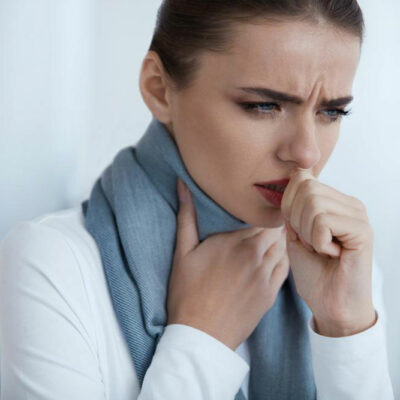
11 early warning signs of pneumonia
health

11 early warning signs of pneumonia

Pneumonia, a widespread respiratory condition, majorly affects the lungs and is triggered by bacterial, viral, or fungal infections. The body’s response to pneumonia is unique to each individual. Some may exhibit mild symptoms that could be mistaken for a common cold, while others may experience severe signs requiring immediate medical attention. Pneumonia may particularly affect those with weak immune systems. Recognizing the early warning signs of pneumonia is essential for timely intervention. What is pneumonia? Pneumonia is an infection that causes swelling in the lungs. Pus or other fluids due to external infections build up in the organ, leading to several health issues. Early warning signs of pneumonia Cough and breathing issues Persistent cough, wheezing, or noisy breathing, particularly when inhaling, accompanied by noticeable breathing difficulty, are some of the most common signs of pneumonia. Increased heart rate An accelerated heartbeat can be an indicator of pneumonia as the body attempts to compensate for reduced oxygen levels. Chest discomfort Individuals might experience sharp, stabbing chest discomfort that is exacerbated with deep breaths. Sweating and fever Profuse sweating and high fever that can go up to 105 degrees Fahrenheit are some other telltale signs of pneumonia. Fatigue Pneumonia often brings extreme fatigue in individuals.
US Government secures additional doses of Novavax
health

US Government secures additional doses of Novavax

As the country continues its fight against the COVID-19 pandemic, the government has taken a significant step to secure additional doses of the Novavax COVID-19 vaccine. The federal government has recently adjusted its existing agreement with Novavax to secure extra supplies of the COVID-19 vaccine, NVX-CoV2373. Within the framework of this amended agreement, Novavax has committed to delivering an additional 1.5 million doses of its COVID-19 vaccine and ensures continued public access to it. The need for extra doses The decision to purchase more doses of the Novavax COVID-19 vaccine reflects the nation’s commitment to bolstering its supply. This move acknowledges the need to offer the American people a diverse COVID-19 vaccine portfolio. It underscores the importance of Novavax’s partnership with the U.S. government to ensure continuous access to a protein-based option as part of public health measures. About the Novavax COVID-19 vaccine The Novavax COVID-19 vaccine, or NVX-CoV2373, is a protein subunit vaccine designed to stimulate an immune response against the SARS-CoV-2 virus, which causes COVID-19. It differs from the mRNA and viral vector vaccines as it uses a different approach. Novavax’s vaccine uses a harmless piece of the coronavirus’s spike protein to trigger an immune response without using live or weakened virus components.
Itchy skin – Common causes and remedies
health

Itchy skin – Common causes and remedies

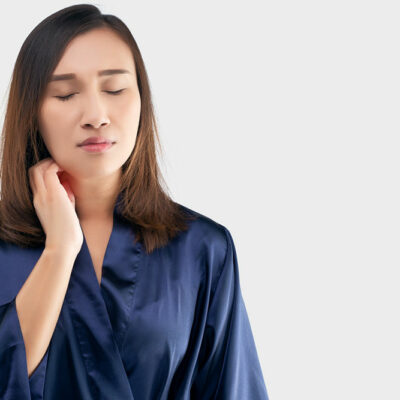
Being the outermost layer of the body, the skin protects the body against injury and harmful substances. It also prevents loss of moisture, controls body temperature, and stores blood. Health conditions pertaining to the skin can affect such functions and cause significant discomfort. Itchy skin is a prevalent skin problem, with 22% of individuals experiencing chronic itching at some point in their lives. Here are some causes and remedies for itchy skin: Causes of itchy skin Food allergies Itchy skin and rashes may be caused by food allergies such as shellfish, soy, dairy, wheat, and peanuts. Eliminating specific foods or food groups one by one can help identify what food may be the allergen. Exposure to insects and pollen Some individuals may develop skin allergies and itching from exposure to pollen or certain insects, such as wasps, fleas, bed bugs, pinworms, and ants. Swimming Sometimes, skin itching may be caused as a reaction to parasites living in oceans, lakes, and other water bodies. This condition is referred to as swimmer’s itch. Age As one ages, the skin tends to lose moisture and become drier, which can lead to discomforting itching. More than 50% of older adults experience chronic itchy skin.
3 strategies for managing atopic dermatitis
health

3 strategies for managing atopic dermatitis

Atopic dermatitis, commonly known as eczema, can be a challenging skin condition to deal with. Itchy, inflamed skin can make day-to-day life uncomfortable and frustrating. But with the right strategies, one can take control of their skin’s health. If someone is dealing with atopic dermatitis, it’s important to know that there are ways to help manage and alleviate its symptoms. Here are three effective strategies for alleviating the symptoms of atopic dermatitis: Moisturizing Dryness is a common trigger for atopic dermatitis flare-ups, and one of the best ways to combat it is through consistent moisturizing. One must opt for thick, fragrance-free moisturizers or emollients. Moisturizers with ingredients like ceramides, hyaluronic acid, and shea butter can provide long-lasting hydration. Ideally, moisturizer should be applied within three minutes of bathing or showering to lock in moisture. It is also advisable to keep a small, travel-sized bottle of water on hand for on-the-go hydration. Switching to an ointment-based moisturizer for extra protection in colder, drier months will also help. On a side note, it is essential to avoid hot water, as it can strip the skin of its natural oils, worsening eczema symptoms. Instead, switching to lukewarm water when bathing or washing hands would be better.
5 early signs of Parkinson’s and TD that are similar and often overlooked
health

5 early signs of Parkinson’s and TD that are similar and often overlooked

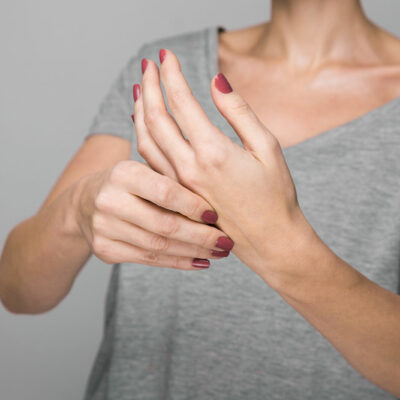
The silent symptoms of Parkinson’s disease and tardive dyskinesia (TD) can be subtle and often easy to miss, as they may not always manifest as obvious motor symptoms. TD is a movement disorder brought on by treatments for mental health disorders; on the other hand, Parkinson’s causes unintended shaking and issues with balance. Here are five early symptoms that are similar between the two conditions and can be easily missed. Loss of smell (hyposmia/anosmia) Both Parkinson’s disease and TD can lead to a decreased sense of smell (hyposmia) or a complete loss of smell (anosmia). This symptom can often go unnoticed or get attributed to other causes, such as allergies or sinus issues. Mood changes Changes in one’s mood, such as depression or anxiety, can occur in both conditions. These emotional changes are often overlooked or attributed to life circumstances rather than being recognized as potential symptoms of neurological disorders. Sleep disturbances Both Parkinson’s disease and TD can disrupt sleep patterns. This may include insomnia, restless leg syndrome, or frequent awakenings during the night. Since sleep problems are common, they are not always linked to people with Parkinson’s and TD. However, people with Parkinson’s disease often experience REM sleep behavior disorder and restless leg syndrome, which can disrupt sleep patterns.
6 early signs of prurigo nodularis
health

6 early signs of prurigo nodularis

Prurigo nodularis is a skin condition characterized by severely itchy, raised nodules or bumps on the skin’s surface that can vary in size from a few millimeters to centimeters. They are typically firm and hard to the touch. The condition is accompanied by persistent and severe itching, which can significantly impact an individual’s quality of life. Here are a few early signs to recognize for early diagnosis and effective management. Itching (pruritus) The hallmark symptom of prurigo nodularis is relentless itching. This itching can range from mild to severe and occur in localized areas or affect larger body portions. The itching is often described as relentless and unbearable, leading individuals to scratch vigorously in search of relief. Nodules or papules Small, hard, and raised bumps or nodules appear on the skin’s surface in the early stages. These nodules typically measure a few millimeters to centimeters in diameter. They can be red, brown, or flesh-colored, often accompanied by intense itching. These nodules are distinct characteristics that set prurigo nodularis apart from other skin conditions. Secondary skin changes Over time, the repeated scratching and rubbing due to the intense itching can lead to secondary skin changes. These may include scaling, crusting, and excoriation, which are surface abrasions or scratches on the skin.
5 ways to delay periods naturally
health

5 ways to delay periods naturally

Many women may find themselves in situations where they wish to delay their menstrual period temporarily. Whether for a special event, a vacation or simply as a matter of convenience, various natural methods can help delay menstruation. However, one should remember that these remedies rely more on anecdotal evidence and traditional practices than solid scientific research. Nonetheless, here are some techniques one can consider when looking to postpone the menstrual cycle naturally. Apple cider vinegar Apple cider vinegar is a popular home remedy for various health issues, including menstrual irregularities. Mixing one to two tablespoons of apple cider vinegar with water and consuming it may help regulate hormonal balance, potentially delaying one’s period. However, being cautious with the dosage is crucial, as excessive consumption can have side effects. Lemon juice Lemon juice is known for its acidity; proponents believe its acidic properties can help push back bleeding. However, it’s important to note that the effectiveness of lemon juice in delaying menstruation is mainly anecdotal, and scientific evidence to support this claim is limited. Women considering this approach should consult a healthcare professional to ensure their safety and well-being. Gelatin Gelatin, often used in making desserts and gummy candies, is another unconventional method some women explore to delay their periods by about four hours.
4 household products that may harm the lungs and cause COPD
health

4 household products that may harm the lungs and cause COPD

People often purchase humidifiers, carpets, and other products to keep their homes clean and fresh. However, not all of these are as harmless as they seem. Some household products can lead to lung conditions like chronic obstructive pulmonary disease (COPD) when not handled or used correctly. Therefore, one must take every precaution to protect one’s respiratory well-being. Here are a few household products that can harm the lungs and increase the risk of COPD. Humidifiers Humidifiers help moisten dry indoor air and relieve respiratory symptoms and dry skin. However, they can become breeding grounds for harmful bacteria and mold if not cleaned regularly. When turned on, the machine can release these pathogens into the air, which one may inhale. Studies suggest inhaling mold may worsen breathlessness and related COPD symptoms. Therefore, those diagnosed with or at risk of this condition should clean the humidifier regularly by following the manufacturer’s instructions. Experts also suggest using distilled water to minimize the risk of contamination. Flour While flour is a staple in many kitchens, it can affect lung health when mishandled. When flour is poured or mixed vigorously, fine particles become airborne and can be inhaled. For individuals with sensitivity or allergies, this can lead to respiratory irritation.
5 subtle Parkinson’s and TD symptoms that should not be overlooked
health

5 subtle Parkinson’s and TD symptoms that should not be overlooked

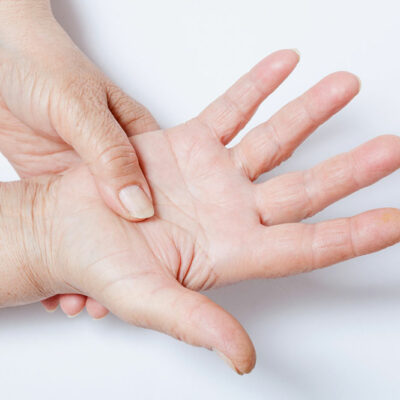
Early detection of neurological disorders like Parkinson’s and Tardive Dyskinesia (TD) is crucial for effective treatment. While these disorders may initially present with subtle symptoms, recognizing them is paramount for timely intervention and tailored treatment. These seemingly silent signs, when acknowledged, can lead to early diagnosis and improved management, potentially altering the course of these conditions for the better. Therefore, it is imperative to investigate these often-overlooked symptoms that require attention and comprehensive understanding. Fine motor skills decline Parkinson’s and TD can lead to a decline in fine motor skills. Tasks that once seemed effortless, like buttoning a shirt or tying shoelaces, may become increasingly challenging. Individuals may notice a slight tremor or difficulty in performing precise movements. While these changes may be subtle initially, they can progress over time, emphasizing the importance of early detection. Subtle changes in facial expressions Parkinson’s and TD can affect the muscles responsible for facial expressions. Early on, individuals may exhibit a reduction in spontaneous facial movements, resulting in a “masked” or expressionless appearance. Friends and family members may notice that the affected person’s face appears less animated, making it harder to discern emotions. This symptom can be easily overlooked, but it is a vital indicator of underlying neurological changes.

Top Articles

Symptoms, causes, and risks of peptic ulcer
health

Symptoms, causes, and risks of peptic ulcer

Peptic ulcer affects about 4.6 million Americans every year. Peptic ulcer results in open sores forming on the upper portion of the small intestine and the inside lining of the stomach. The first one is known as the duodenal ulcer, and the second type is known as a gastric ulcer. Read on to know more about its symptoms, causes, and risks associated with this condition. Symptoms of peptic ulcer If you feel a burning pain in the stomach, then it can be a sign of peptic ulcers, as it is the most common symptom of the disease. The pain can get worse at night or between meals. The acid in your stomach makes it worse. Other than the pain, some other common symptoms of peptic ulcers include feeling bloated or full, intolerance to fatty food, nausea, and heartburn. Apart from these, the other signs may include: Vomiting with the presence of blood Presence of dark blood in the stool Trouble in breathing Feeling faint Nausea Sudden weight loss Change in appetite Taking acid blockers can relieve the pain temporarily. If it keeps coming back, you need to contact your doctor. Causes of peptic ulcer Stomach conditions may have a variety of causes, which is true for peptic ulcers too.
Heart disease – Symptoms, causes, and risk factors
health

Heart disease – Symptoms, causes, and risk factors

Several diseases are included under the umbrella term of heart diseases and are also called cardiovascular diseases. They lead to the blood vessels becoming narrow or getting blocked, which, in turn, can result in a heart attack or stroke or cause pain in the chest. Other heart conditions affect the heart’s muscle, rhythm, or valve. Symptoms The symptoms vary according to the condition diagnosed. The symptoms of common cardiovascular diseases are discussed below. Symptoms of atherosclerotic disease Pain in the chest or feeling a sense of tightness or discomfort in the area Shortness of breath Limbs feeling numb or severely cold if the blood vessels have narrowed in the area, as it affects blood circulation Pain in the jaw, back, upper abdomen, or neck Symptoms of abnormality in the heartbeat or arrhythmia Fluttering sensation in the chest Racing or slow heartbeat Discomfort or pain in the chest Feeling dizzy or fainting Light-headedness Symptoms of heart defects or related conditions Skin color turning blue or pale gray Abdominal swelling or swelling in the area surrounding the eyes Shortness of breath while feedings in case of an infant Symptoms of dilated cardiomyopathy Breathlessness Swelling in the legs, feet, and ankles Feeling a sense of fatigue and dizziness Irregular heartbeat Symptoms related to heart infections Fever Shortness of breath Feeling weak Change in the heart rhythm Persistent cough Skin rashes Causes The causes vary depending on the type of heart disease one is affected with.
Symptoms, causes, and risk factors of immune system disorder
health

Symptoms, causes, and risk factors of immune system disorder

The immune system is referred to as the defense system that protects the body against different kinds of diseases. The stronger the immune system, the higher will be the chances of the body staying away from diseases. Suffering from immunodeficiency or immune system disorder is a cause of concern and must be immediately addressed. Symptoms Cold hands If the blood vessels suffer from inflammation, it gets difficult for the ears, toes, fingers, and nose to stay warm. The affected portion of the skin turns white. Slowly, the color changes into blue when these areas are further exposed to some cold object or atmosphere. When the flow of the blood becomes normal, the skin turns back to red. Medical experts refer to this as the Raynaud’s phenomenon. It is one of the most commonly observed symptoms of immune system disorder. Dry eyes When a person is suffering from an autoimmune disorder, his immune system, instead of protecting his body against diseases, attacks it. Lupus and rheumatoid arthritis are two of the most common examples of this condition. People who suffer from an autoimmune disorder tend to have dry eyes. The person will feel the presence of some grainy object when this happens.
Common joint conditions and their symptoms and risk factors
health

Common joint conditions and their symptoms and risk factors

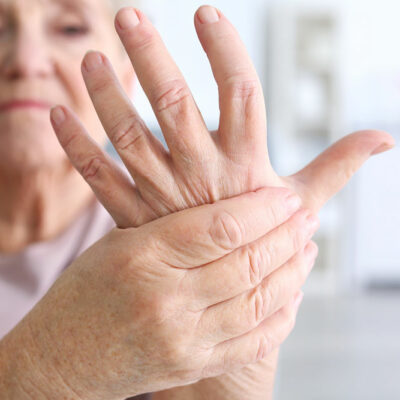
Joint conditions are commonly associated with increasing age, but they can also be a result of injuries or may develop due to other medical conditions affecting bone and joint health. Arthritis, a commonly diagnosed joint condition, has over 200 types. Depending on the severity of the disease, these conditions can also affect a patient’s quality of life. Read on to know the symptoms, causes, and factors that increase one’s risk of developing joint conditions. Symptoms of joint conditions The following are some of the symptoms that most joint conditions are accompanied by: Joint stiffness Weakness in the joints Inflammation, swelling, and redness of the affected joint Limping due to pain and stiffness Joint getting locked Tearing of the cartilage Commonly-diagnosed joint conditions and their causes Osteoarthritis This form of arthritis involves the wear-and-tear of the joint’s cartilage, which means the risk of developing this disease elevates with age. The cartilage plays the role of a cushion between the bones in order to prevent friction that can cause damage. Damaged cartilage due to this condition results in the bones losing their protection and clashing, causing pain and restricting movement and flexibility. This usually occurs gradually, but it can also develop suddenly in the case of an infection or injury.
All you need to know about menopause
health

All you need to know about menopause

Menopause marks the end of a woman’s menstrual cycles. It is typically diagnosed after a year of no menstrual periods, but it begins much before that. Menopause occurs in your forties and even fifties, but the average age when it occurs in the US is 51. While it is a natural and biological process, the physical symptoms and the hot flashes may cause disruptions in your sleep and even affect your emotional health in general. There are plenty of treatments available. But, to get started, you need to know what the condition looks and feels like. Here are the symptoms, causes, and complications related to menopause. Symptoms of menopause In the time leading up to menopause, you may experience some common symptoms such as irregularity in periods, dryness in the vagina, as well as hot flashes. Some people also experience chills, sleep problems, mood swings, and night sweats. Weight gain and slowed metabolism are two other symptoms that commonly occur with menopause. Menopausal women may even experience dry skin and thinning hair on a regular basis. However, this is not to say that all women experience these symptoms. Different women go through different issues. Depending on your health in general, you may experience varying levels of symptoms.
Mental health conditions – What you should know
health

Mental health conditions – What you should know

Millions of people live with different types of mental illnesses and health problems. These include obsessive-compulsive disorder, social anxiety, and personality disorders. All of these come under the umbrella of mental health. In this article, we will cover the symptoms, causes, and risk factors of some common mental health disorders such as obsessive-compulsive disorder (OCD), post-traumatic stress disorder (PTSD), and clinical depression to help you understand them better. Symptoms The common symptoms of mental health disorders include: Obsessive-compulsive disorder People with OCD may present the following symptoms: Constant fear of contamination and extra emphasis on cleanliness Signs of hoarding and counting belongings continuously Signs of excessive concern toward personal safety Post-traumatic stress disorder Somebody suffering from PTSD may show the following symptoms: Constantly suffering through intrusive memories Negative patterns in mood and mindset Trying to avoid thinking of the traumatic event Feeling changes in emotional and physical reactions Clinical depression The symptoms of clinical depression include: Being moody and experiencing different emotions, such as aggressiveness, anxiousness, and restlessness Adverse effect on sexual life A decline of cognitive abilities Poor sleep patterns If you notice any of these symptoms, we recommend consulting with a mental health doctor immediately. Causes The common causes of any mental health disorder include the following: