Things to know about the Novavax vaccine
health

Things to know about the Novavax vaccine

Novavax, a leading biotechnology company, has gained worldwide attention with its innovative COVID-19 vaccine, NVX-CoV2373. This vaccine has demonstrated remarkable efficacy in clinical trials utilizing cutting-edge nanoparticle technology, with 90% effectiveness in slowing the spread of COVID-19 and reducing the rate of hospitalizations. It has a favorable safety profile and the capacity for storage at standard refrigerator temperatures, which is helpful. Here are some things to know about the vaccine in detail: Development and technology The Novavax COVID-19 vaccine employs a novel nanoparticle approach to stimulate an immune response. This nanoparticle is designed to mimic the spike protein found on the surface of the SARS-CoV-2 virus, which causes COVID-19. The vaccine does not contain a live virus, making it a non-replicating viral protein vaccine. This approach allows the immune system to recognize and develop defenses against the spike protein without causing the disease. Efficacy According to some clinical trials, the vaccine’s efficacy has been positive. In a phase 3 trial conducted in the country, the vaccine demonstrated an overall efficacy of around 90% against COVID-19. Importantly, it has also exhibited significant protection against severe disease, including variants of concern. Safety profile Safety is a paramount concern in vaccine development. According to reports, Novavax’s vaccine has shown a favorable safety profile, which means that the vaccine’s side effects are generally mild, including pain at the injection site, fatigue, headaches, and muscle pain.
10 Signs of Excessive Sugar Intake That Can Cause Health Issues
health

10 Signs of Excessive Sugar Intake That Can Cause Health Issues

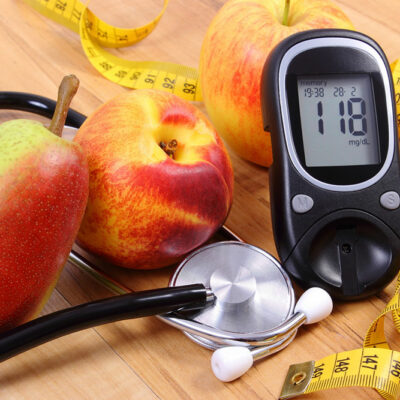
High sugar intake has become increasingly prevalent in our modern food choices. While most people know that too much sugar is bad for health, one can underestimate the silent signs it can leave within our bodies. Ignoring these signs can lead to a range of health issues like fatty liver, kidney problems, vision issues, and cardiac problems. Resorting to proper treatment options can help alleviate the symptoms of high sugar.  As some of the health issues mentioned above are critical in nature, it’s considered best to understand the diagnosis and treatment of high blood sugar, also known as hyperglycemia. In most cases, diagnosis of the condition can involve certain tests such as the fasting glucose test and the A1c test. Then depending on the results the doctor can suggest treatment alternatives like meeting one’s nutritional needs, consuming meals at a fixed time, developing an exercise program, and practicing stress management techniques – meditation, yoga, to name a few. Signs of high blood sugar Here are 10 signs that indicate high blood sugar: Increased thirst Blurred vision Frequent urination Fatigue Frequent headaches Slow healing wounds Tingling or numbness in hands and feet Nausea and vomiting Confusion Recurrent infections Health issues associated with high blood sugar Fatty liver One of the most insidious health issues associated with high sugar intake is fatty liver disease.
4 ways to improve immunity against severe respiratory viruses
health

4 ways to improve immunity against severe respiratory viruses

In the wake of the COVID-19 pandemic, the significance of a robust immune system, particularly for respiratory health, has come to the forefront. The respiratory system, crucial for oxygen exchange and overall well-being, is often susceptible to infections and disorders. It is also responsible for delivering oxygenated blood to the rest of the body. This comprehensive guide explores ways, encompassing treatments, changes in food habits and lifestlye, and home remedies, to boost immunity against respiratory viruses. The COVID-19 pandemic has underscored the critical importance of a healthy respiratory system. Individuals with pre-existing respiratory conditions faced heightened risks, with the virus primarily targeting the lungs. Even those without prior conditions were prompted to reevaluate their lung health. This collective concern has spurred interest in proactive measures to fortify the respiratory system. Here are a few ways to enhance the immune system: Treatment options Vaccinations stand as a cornerstone in the fight against severe respiratory viruses. They equip the immune system to recognize and combat specific pathogens, protecting against subsequent infections. There are two primary types of vaccines: mRNA and non-mRNA options. While mRNA vaccines have gained significant attention, non-mRNA alternatives like Novavax contribute to the immunization effort. Novavax, a protein subunit vaccine, employs a different mechanism to stimulate immune responses, providing an additional option for those seeking protection.
5 signs and symptoms of narcolepsy
health

5 signs and symptoms of narcolepsy

Narcolepsy is a neurological disorder that affects the brain’s ability to regulate sleep-wake cycles. It causes excessive daytime sleepiness and sudden, uncontrollable bouts of sleep, leading to a profound impact on an individual’s daily life. However, treatment, lifestyle changes, and a good support system can help one manage the symptoms. Recognizing the signs is crucial for timely diagnosis and treatment. Here are five such signs of narcolepsy. Excessive Daytime Sleepiness People with narcolepsy often struggle to stay awake and alert during the day, even after a whole night’s sleep. This overwhelming urge to sleep can manifest as constant drowsiness, difficulty concentrating, and an increased risk of falling asleep in inappropriate situations, such as at work or while driving. Cataplexy Cataplexy is a unique symptom of narcolepsy that involves sudden muscle weakness or paralysis triggered by strong emotions like laughter, surprise, or anger. These episodes can range from mild muscle drooping to complete collapse, leaving individuals temporarily unable to move. Cataplexy can be emotionally distressing and disruptive to daily life. Sleep Paralysis Narcolepsy often brings about episodes of sleep paralysis, a phenomenon where individuals temporarily cannot move or speak while falling asleep or waking up. This can be accompanied by vivid hallucinations and a sense of impending danger, causing significant distress.
8 warning signs of amyloidosis
health

8 warning signs of amyloidosis

Amyloidosis is a rare but severe condition characterized by the atypical accumulation of amyloid proteins in various organs and tissues of the body. These amyloid deposits may disrupt normal organ function and cause various symptoms, depending on the affected organs. Early diagnosis is essential for effective management. While the condition might affect anyone, understanding these eight symptoms is crucial to help identify the condition and swiftly seek an expert’s opinion. Fatigue and weakness One of the initial indicators of amyloidosis is persistent fatigue and weakness. Individuals may notice a decline in their energy levels, often attributing it to stress or aging. However, when these symptoms persist and are not improved by rest, it’s essential to consider amyloidosis as a potential cause. Swelling in the ankles and legs Amyloidosis may lead to the accumulation of amyloid proteins in various organs, including the kidneys. As a result, some individuals may experience swelling, particularly in the ankles and legs. This swelling, known as edema, might be an early sign of kidney involvement in amyloidosis. Unintended reduction of body mass Unexplained reduction of body mass is another common early symptom of amyloidosis. Individuals may find themselves having a reduced BMI without making any significant changes to their meal plans or exercise routines.
Understanding atrial fibrillation and how it contributes to silent strokes
health

Understanding atrial fibrillation and how it contributes to silent strokes

Atrial fibrillation (AFib) is a health condition that disrupts the heart’s natural pumping rhythm, causing blood to pool in the atria and increasing the likelihood of clot formation. When these clots travel to the brain, they cause silent strokes, which often occur without noticeable symptoms. Silent strokes can lead to cognitive decline and dementia over time. Therefore, understanding the link between AFib and silent strokes helps with early diagnosis and timely management of complications. Atrial fibrillation Atrial fibrillation is an irregular heart rhythm that occurs when the heart’s upper chambers (atria) quiver instead of contracting properly. This irregularity can lead to blood pooling in the atria, forming clots. A clot breaking loose and reaching the brain can block a blood vessel, leading to a stroke. One should know certain things about Afib. It is one of the most prevalent cardiac arrhythmias, affecting approximately 2-3% of the global population. Its prevalence increases with age, making it more common among older adults. Some individuals may have AFib without experiencing any noticeable symptoms. It is known as “silent AFib,” making it crucial to conduct regular heart monitoring, especially in high-risk groups. Silent strokes Silent strokes, otherwise known as asymptomatic cerebral infarctions, occur without apparent symptoms.
Dental implants – Procedure, types, and benefits
health

Dental implants – Procedure, types, and benefits

Dental implants are artificial tooth roots, which are surgically implanted into the jawbone to provide a strong foundation for replacement teeth or dental prostheses. They are a popular and effective solution for those who have lost teeth due to various reasons, like injury, decay, gum disease, or congenital issues. To understand what to expect during the procedure, here are some key facts one should know before opting for dental implants: Who is eligible? Ideal candidates for dental implants are generally those who have lost one or more teeth due to injury, decay, gum disease, or congenital issues but still have good oral hygiene and sufficient jawbone density. During a consultation, a dentist will evaluate the patient’s oral health to determine eligibility. Here, one should share their entire medical history with the dentist, especially when dealing with autoimmune diseases or type 2 diabetes, as existing health conditions can affect the outcome of the implant. Step-by-step procedure The process of dental implants usually consists of the following steps: Initial consultation and evaluation: Here, the dentist or surgeon first examines the oral health and takes dental X-rays or CT scans to assess the condition of the jawbone, teeth, and gums. Formulation of treatment plan:
6 warning signs of amyloidosis
health

6 warning signs of amyloidosis

Amyloidosis is a rare and often misdiagnosed health condition characterized by the build-up of abnormal proteins called amyloids in various organs and tissues in the body. A few organs at risk include the heart, spleen, kidneys, liver, digestive tract, and nervous system. Detecting this condition early is crucial for effective management of symptoms. Here are early warning signs of amyloidosis to help one identify them and seek an early diagnosis: Fatigue and weakness One of the earliest signs of amyloidosis is unexplained fatigue and weakness. So, those affected often experience a persistent lack of energy, which might be attributed to the accumulation of amyloids interfering with normal organ and tissue function. This fatigue, unlike general tiredness, may not improve with rest. Loss of appetite Amyloidosis may affect the digestive system, leading to poor nutrient absorption and reduced appetite. Any such changes should prompt further investigation by a healthcare professional. Shortness of breath Shortness of breath, either while engaging in physical activities or while lying down, can be a sign of amyloidosis. The accumulation of amyloids in the heart may restrict its ability to pump blood efficiently, leading to difficulty breathing. Swelling in the ankles and legs Swelling, particularly in the ankles and legs, might be another early symptom, as amyloidosis can interfere with the body’s ability to regulate fluid balance.
6 early warning signs of kidney cancer
health

6 early warning signs of kidney cancer

Kidney cancer, also sometimes called renal cell carcinoma (RCC), originates in the kidneys, the vital organs that filter waste products and excess fluids from the bloodstream through urine. Kidney cancer typically begins as an uncontrolled growth of abnormal cells within the organ’s tissue. As the disease progresses, it can invade nearby structures and spread to other body parts. The following are a few common early warning signs of progressing kidney cancer. Blood in the urine One of the most common early signs of kidney cancer is blood in the urine (hematuria). Depending on the discharge quantity, it can make the urine appear pink, red, or brown. Blood in the urine can also occur due to other conditions, so it’s essential to consult a healthcare professional if one notices this symptom. Pain or discomfort Some people with early kidney cancer may experience pain or discomfort in the lower back or on the side where the affected kidney is located. This pain may be dull and persistent. Lump or mass In some cases, a palpable lump or mass may be felt in the abdomen or side of the body. However, not all kidney cancers produce a noticeable lump. A swelling of the organ can be confirmed with a physical exam.
Muscular dystrophy – Warning signs and management
health

Muscular dystrophy – Warning signs and management

Muscular dystrophy is a group of genetic disorders that lead to progressive muscle weakness and degeneration. While there is currently no cure for muscular dystrophy, early detection of the health issue can pave the way for treatment alternatives that can significantly improve the quality of life for affected individuals. But first, it’s important to understand the symptoms of the condition. Hence, here are some early warning signs and treatment alternatives associated with muscular dystrophy. Early warning signs Muscle weakness One of the earliest signs of muscular dystrophy is muscle weakness. Children may have difficulty standing up from a seated position, walking, or lifting objects. This weakness typically starts in the hips and legs. Delayed motor skills Children with muscular dystrophy may experience delays in reaching developmental milestones such as crawling and walking. Parents may notice that their child is not progressing as expected. Frequent falls Due to muscle weakness and poor balance, affected individuals often experience frequent falls, especially when walking or running. Contractures Muscular dystrophy can cause joint contractures, where the muscles and tendons become tight and restrict movement. This can lead to a limited range of motion in joints. Treatment of muscular dystrophy Physical therapy Physical therapy plays a crucial role in managing muscular dystrophy.

Top Articles

Symptoms, causes, and risks of peptic ulcer
health

Symptoms, causes, and risks of peptic ulcer

Peptic ulcer affects about 4.6 million Americans every year. Peptic ulcer results in open sores forming on the upper portion of the small intestine and the inside lining of the stomach. The first one is known as the duodenal ulcer, and the second type is known as a gastric ulcer. Read on to know more about its symptoms, causes, and risks associated with this condition. Symptoms of peptic ulcer If you feel a burning pain in the stomach, then it can be a sign of peptic ulcers, as it is the most common symptom of the disease. The pain can get worse at night or between meals. The acid in your stomach makes it worse. Other than the pain, some other common symptoms of peptic ulcers include feeling bloated or full, intolerance to fatty food, nausea, and heartburn. Apart from these, the other signs may include: Vomiting with the presence of blood Presence of dark blood in the stool Trouble in breathing Feeling faint Nausea Sudden weight loss Change in appetite Taking acid blockers can relieve the pain temporarily. If it keeps coming back, you need to contact your doctor. Causes of peptic ulcer Stomach conditions may have a variety of causes, which is true for peptic ulcers too.
Heart disease – Symptoms, causes, and risk factors
health

Heart disease – Symptoms, causes, and risk factors

Several diseases are included under the umbrella term of heart diseases and are also called cardiovascular diseases. They lead to the blood vessels becoming narrow or getting blocked, which, in turn, can result in a heart attack or stroke or cause pain in the chest. Other heart conditions affect the heart’s muscle, rhythm, or valve. Symptoms The symptoms vary according to the condition diagnosed. The symptoms of common cardiovascular diseases are discussed below. Symptoms of atherosclerotic disease Pain in the chest or feeling a sense of tightness or discomfort in the area Shortness of breath Limbs feeling numb or severely cold if the blood vessels have narrowed in the area, as it affects blood circulation Pain in the jaw, back, upper abdomen, or neck Symptoms of abnormality in the heartbeat or arrhythmia Fluttering sensation in the chest Racing or slow heartbeat Discomfort or pain in the chest Feeling dizzy or fainting Light-headedness Symptoms of heart defects or related conditions Skin color turning blue or pale gray Abdominal swelling or swelling in the area surrounding the eyes Shortness of breath while feedings in case of an infant Symptoms of dilated cardiomyopathy Breathlessness Swelling in the legs, feet, and ankles Feeling a sense of fatigue and dizziness Irregular heartbeat Symptoms related to heart infections Fever Shortness of breath Feeling weak Change in the heart rhythm Persistent cough Skin rashes Causes The causes vary depending on the type of heart disease one is affected with.
Symptoms, causes, and risk factors of immune system disorder
health

Symptoms, causes, and risk factors of immune system disorder

The immune system is referred to as the defense system that protects the body against different kinds of diseases. The stronger the immune system, the higher will be the chances of the body staying away from diseases. Suffering from immunodeficiency or immune system disorder is a cause of concern and must be immediately addressed. Symptoms Cold hands If the blood vessels suffer from inflammation, it gets difficult for the ears, toes, fingers, and nose to stay warm. The affected portion of the skin turns white. Slowly, the color changes into blue when these areas are further exposed to some cold object or atmosphere. When the flow of the blood becomes normal, the skin turns back to red. Medical experts refer to this as the Raynaud’s phenomenon. It is one of the most commonly observed symptoms of immune system disorder. Dry eyes When a person is suffering from an autoimmune disorder, his immune system, instead of protecting his body against diseases, attacks it. Lupus and rheumatoid arthritis are two of the most common examples of this condition. People who suffer from an autoimmune disorder tend to have dry eyes. The person will feel the presence of some grainy object when this happens.
Common joint conditions and their symptoms and risk factors
health

Common joint conditions and their symptoms and risk factors

Joint conditions are commonly associated with increasing age, but they can also be a result of injuries or may develop due to other medical conditions affecting bone and joint health. Arthritis, a commonly diagnosed joint condition, has over 200 types. Depending on the severity of the disease, these conditions can also affect a patient’s quality of life. Read on to know the symptoms, causes, and factors that increase one’s risk of developing joint conditions. Symptoms of joint conditions The following are some of the symptoms that most joint conditions are accompanied by: Joint stiffness Weakness in the joints Inflammation, swelling, and redness of the affected joint Limping due to pain and stiffness Joint getting locked Tearing of the cartilage Commonly-diagnosed joint conditions and their causes Osteoarthritis This form of arthritis involves the wear-and-tear of the joint’s cartilage, which means the risk of developing this disease elevates with age. The cartilage plays the role of a cushion between the bones in order to prevent friction that can cause damage. Damaged cartilage due to this condition results in the bones losing their protection and clashing, causing pain and restricting movement and flexibility. This usually occurs gradually, but it can also develop suddenly in the case of an infection or injury.
All you need to know about menopause
health

All you need to know about menopause

Menopause marks the end of a woman’s menstrual cycles. It is typically diagnosed after a year of no menstrual periods, but it begins much before that. Menopause occurs in your forties and even fifties, but the average age when it occurs in the US is 51. While it is a natural and biological process, the physical symptoms and the hot flashes may cause disruptions in your sleep and even affect your emotional health in general. There are plenty of treatments available. But, to get started, you need to know what the condition looks and feels like. Here are the symptoms, causes, and complications related to menopause. Symptoms of menopause In the time leading up to menopause, you may experience some common symptoms such as irregularity in periods, dryness in the vagina, as well as hot flashes. Some people also experience chills, sleep problems, mood swings, and night sweats. Weight gain and slowed metabolism are two other symptoms that commonly occur with menopause. Menopausal women may even experience dry skin and thinning hair on a regular basis. However, this is not to say that all women experience these symptoms. Different women go through different issues. Depending on your health in general, you may experience varying levels of symptoms.
Mental health conditions – What you should know
health

Mental health conditions – What you should know

Millions of people live with different types of mental illnesses and health problems. These include obsessive-compulsive disorder, social anxiety, and personality disorders. All of these come under the umbrella of mental health. In this article, we will cover the symptoms, causes, and risk factors of some common mental health disorders such as obsessive-compulsive disorder (OCD), post-traumatic stress disorder (PTSD), and clinical depression to help you understand them better. Symptoms The common symptoms of mental health disorders include: Obsessive-compulsive disorder People with OCD may present the following symptoms: Constant fear of contamination and extra emphasis on cleanliness Signs of hoarding and counting belongings continuously Signs of excessive concern toward personal safety Post-traumatic stress disorder Somebody suffering from PTSD may show the following symptoms: Constantly suffering through intrusive memories Negative patterns in mood and mindset Trying to avoid thinking of the traumatic event Feeling changes in emotional and physical reactions Clinical depression The symptoms of clinical depression include: Being moody and experiencing different emotions, such as aggressiveness, anxiousness, and restlessness Adverse effect on sexual life A decline of cognitive abilities Poor sleep patterns If you notice any of these symptoms, we recommend consulting with a mental health doctor immediately. Causes The common causes of any mental health disorder include the following: