Top signs of joint pain due to excessive sugar
health

Top signs of joint pain due to excessive sugar

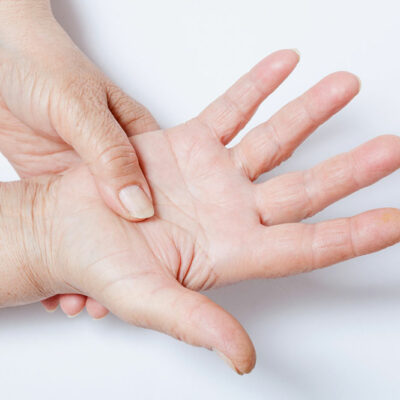
Diabetes or diabetes mellitus is the term used to refer to a condition that results in excessive blood glucose or sugar levels. It generally occurs when the body cannot produce enough insulin or use it effectively. When left unmanaged, high blood sugar levels can cause several complications. One of these complications is joint pain. Signs and symptoms of some diabetes-induced conditions that may cause joint pain include the following: Diabetic Arthropathy High blood glucose levels can damage the nerves, causing diabetic neuropathy that can also affect the joints, known as arthropathy. Some conditions that fall under this category include: Charcot’s foot This condition affects the foot joints, causing them to deteriorate over time. It may also cause symptoms such as joint pain, swelling, redness, numbness, the area being hot to the touch, or changes in the appearance of the feet. Diabetic hand Some people with diabetes may experience shoulder pain and limited mobility due to a frozen shoulder or adhesive capsulitis. Arthropathy may also affect joints in the hand by causing conditions such as: Carpal Tunnel Syndrome: This occurs when the median nerve is compressed. It may cause symptoms such as tingling, numbness, and weakness in the hand. Trigger finger:

5 signs of liver disease linked to high sugar intake
health

5 signs of liver disease linked to high sugar intake

The liver is a vital organ responsible for carrying out essential functions in the body, like removing toxins, metabolizing nutrients, and regulating blood sugar. Excessive sugar intake can take a toll on the liver, leading to health complications. Sugar can also increase the risk and worsen the symptoms of liver disease. Recognizing the effects of high blood glucose can help one make necessary changes to prevent any harm to the liver and overall health. Fatigue and weakness One of the early signs of liver problems linked to high sugar intake is fatigue and weakness. The liver plays a crucial role in converting sugar into energy. When dealing with excessive amounts of sugar, the function of the organ may be compromised. This can lead to a lack of energy. Frequent digestive issues Liver issues linked with high sugar intake can also manifest as recurring digestive issues. The liver produces bile, a substance necessary for the digestion and absorption of fats. But, when dealing with liver dysfunction brought on by excessive sugar, one can experience digestive problems like bloating, gas, constipation, and diarrhea. Elevated blood sugar The liver plays a pivotal part in regulating blood sugar by storing and releasing glucose as required.
How does diabetes affect heart health
health

How does diabetes affect heart health

The human heart supplies oxygen to different parts of the body, maintains blood pressure, and expels carbon dioxide through exhalation. But with an increasing frequency of heart conditions, as per 2021 reports, heart disease costs the country a whopping $239.9 billion each year. Heart problems may have various underlying causes; however, diabetes is often responsible for triggering or worsening them. Some heart problems caused by excessive sugar intake and diabetes are as follows: Arrhythmia Arrhythmia refers to irregular heartbeats. Since diabetes disrupts the heart’s structure, the condition may be caused or worsened by diabetes. Individuals with this condition experience shortness of breath, chest pain, dizziness, fainting, etc. Stroke Diabetes pathologically alters the body’s blood vessels, which can trigger the onset of stroke. Studies have also shown that survival rates of individuals with stroke are lower among patients with diabetes. Heart attack Patients with type-2 diabetes are twice as susceptible to heart disease as those with regular blood-sugar levels. Individuals with diabetes may also develop silent heart attacks, which do not have any initial symptoms. Patients having suffered a heart attack may experience swelling in their legs or ankles, sweating, shortness of breath, chest pain, and nausea, among other symptoms. Atrial fibrillation According to research reports, diabetes significantly increases one’s risk of developing atrial fibrillation.
8 signs of dental issues due to high sugar intake
health

8 signs of dental issues due to high sugar intake

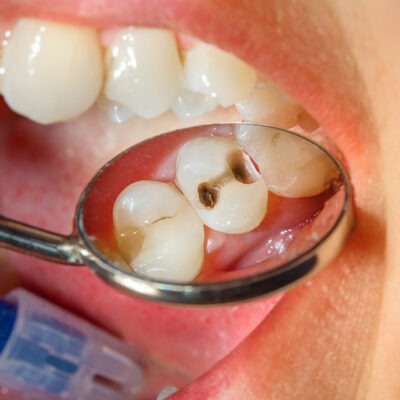
Sugar has become an integral part of modern lifestyle and eating habits. It is present in most store-bought foods, from packaged snacks, cereals, and baked goods to sauces and energy drinks. While sugar can provide a momentary burst of pleasure to taste buds, excessive consumption can harm one’s dental health. Therefore, recognizing the early signs of these dental issues due to high sugar consumption is crucial for early intervention and optimal oral health. Tooth decay and cavities The bacteria in one’s mouth feed and thrive on the sugar consumed through food and produce acids. These acids erode tooth enamel, leading to the formation of cavities. Tooth sensitivity Sugar-rich foods can lead to enamel erosion, exposing the sensitive dentin underneath. As a result, individuals may experience discomfort or pain when consuming hot, cold, or sugary foods and drinks. Toothache As cavities progress, they can cause toothaches characterized by sharp or throbbing pain. The pain may worsen when biting down or consuming cold or sugary foods. Tooth discoloration Sugar is a major food source for harmful bacteria in the mouth, leading to the formation of plaque and tartar. Over time, these substances can stain the teeth, resulting in a yellowish or brownish appearance.
6 ways excess sugar intake disturbs sleep
health

6 ways excess sugar intake disturbs sleep

With the fast-paced world, getting a good night’s sleep is becoming harder. We often attribute sleep loss to external factors like stress or technology, but sugar can also be a culprit that we tend to overlook. Despite its seemingly harmless nature, sugar can negatively affect our sleep patterns and overall health. Many people are unaware of sugar’s harmful impact on sleep and its correlation with sleep disturbances and constipation. Here’s everything you should know. Disrupts the sleep-wake cycle Consuming excessive sugar close to bedtime can disrupt your sleep-wake cycle. Sugar stimulates insulin release, leading to a rapid increase in blood sugar levels. This spike in energy can make it difficult for your body to relax and enter the sleep phase, causing insomnia or fragmented sleep. Promotes restless sleep Sugar can contribute to restless sleep by causing blood sugar fluctuations throughout the night. As your blood sugar levels rise and fall, your body may experience sudden awakenings or interruptions in sleep. These disruptions can leave you tired and groggy in the morning, even after a seemingly long night of rest. Increased risk of sleep disorders Studies have shown that high-sugar foods are associated with an increased risk of sleep disorders such as sleep apnea and snoring.
6 home remedies to manage frequent urination
health

6 home remedies to manage frequent urination

Day or night, making frequent bathroom trips can be annoying for any individual. A symptom of an overactive bladder, frequent urination can affect one’s work and personal life. However, with proper treatment, it is possible to control frequent urination. Various home remedies, including nutritional changes and behavioral therapies, can help retain the bladder and prevent the need for frequent bathroom visits. Keep reading to learn about a few such helpful home remedies. Kegel exercises Kegel exercises can be beneficial in managing frequent urination problems. They repeatedly contract and release the pelvic floor muscles, building their strength. The increased strength can help improve bladder control and lower urination frequency. Bladder training Bladder training goes a long way in helping patients with an overactive bladder. At first, patients might find it difficult to hold in their urine for longer than usual. However, maintaining this practice for weeks retrains the bladder and reduces the urination frequency. Eating healthy foods One cool trick to managing frequent urination is avoiding foods and drinks that act as a diuretic or could irritate the bladder. It could include caffeine, carbonated beverages, spicy foods, tomato-based foods, and even chocolate. Adding more fiber to the meal can help relieve constipation and frequent urination problems.
Impact of sugar on cholesterol levels and ways to manage it
health

Impact of sugar on cholesterol levels and ways to manage it

Most individuals, especially those with a sweet tooth, find it hard to avoid sugary foods from their daily meal plan because sugar is an integral part of various food items. However, excessive intake of sugar is associated with many health conditions, including diabetes, high blood pressure, cardiovascular diseases, and even cholesterol. Some easy and effective strategies to reduce sugar intake and its direct impact on one’s cholesterol levels are listed below. Types of cholesterol There are two types of cholesterol- LDL (low-density lipoprotein), otherwise known as bad cholesterol HDL (high-density lipoprotein), otherwise known as good cholesterol LDL causes plaque buildup in one’s arteries, creates blockages, hampers blood flow, and raises the risk of developing heart disease and stroke. Meanwhile, HDL helps the body to get rid of bad cholesterol. HDL carries LDL to the liver, where it is eventually eliminated from the body. Effects of sugar on cholesterol levels Healthcare professionals recommend exercising and reducing the intake of saturated fats for individuals with high cholesterol. However, unbeknownst to many, sugar is another hidden contributing factor to cholesterol. Some studies have shown that people who consumed more than half a cup of sugar daily had low HDL levels in the body.
5 ways consuming sugary soda affects one’s health
health

5 ways consuming sugary soda affects one’s health

Sugar is one of the most commonly used condiments in daily cooking. In fact, most processed foods bought off the shelves in the supermarket contain some form of artificial sweetener added to enhance the taste. One example is the variety of carbonated beverages, flavored sodas, and fruit juices sold. A 12-ounce can of soda contains 10 teaspoons or 39 grams of sugar. Consuming sugary beverages affects one’s health in the following ways. Triggers type 2 diabetes Sodas are laced with artificial sweeteners that rapidly increase blood sugar levels in the body. Frequently consuming these sugary beverages causes healthy cells to become less resistant to natural insulin produced by the body. Insulin resistance combined with increased blood sugar severely increases the risk of diabetes. Leads to joint problems Fructose, a form of sugar, is one of the known risk factors linked to certain types of arthritis, mainly gout. It leads to the build-up of uric acid crystals in the big toe. Consistently consuming excessive amounts of sugar can trigger flare-ups associated with gout and worsen the pain. Causes dental problems Sugar left behind in the crevices of the teeth and healthy gums triggers problems like cavities and infections. That’s because the bacteria feed off excess sugar left behind after consuming sweetened juices, flavored sodas, and carbonated beverages.
9 warning signs that indicate bone cancer
health

9 warning signs that indicate bone cancer

Bone cancer occurs due to abnormal cell growth in a bone, usually the arm, leg, or pelvic bones, but sometimes the skull, hips, and ribs. In its advanced stages, bone cancer may spread to other body parts, including the surrounding tissues, bones, and organs. On the bright side, patients with bone cancer can recover completely if the condition is diagnosed and treated early. Understanding some of its early signs can help with timely diagnosis and intervention. Swelling Most individuals with bone cancer experience inflammation and swelling over the affected area, leading to restricted mobility, mainly if the cancer occurs in a bone close to a joint. Fever In some cases, bone cancer may escalate to fever of 100 degrees Fahrenheit or above. Although the underlying cause of such fever is unclear, some studies suggest that it may be due to certain toxins produced in the bodies of patients with bone cancer. Bone Lump Bone cancer sometimes leads to the development of a lump on the affected bone. This lump may grow with the progression of cancer and may sometimes cause pain. Anemia and fatigue The bones in one’s body govern the production of red blood cells (RBC), which supply oxygen throughout the body.
5 early signs of vasculitis
health

5 early signs of vasculitis

Vasculitis is commonly referred to as a blood inflammation disease that affects the blood vessels in circulation. The red blood cells carry freshly oxygenated blood from the lungs, pumped by the heart, to all organs and extremities of the body. Inflammation of these healthy vessels can result in blockages, causing circulation to drop. Vasculitis can affect one or multiple organs, depending on the type of inflammation and the intensity of the disease’s progression. Here are the five most common symptoms to look out for early on: 1. Breathing difficulties When vasculitis develops in the lungs, it can cause cavities to manifest in the healthy tissue and affect respiratory function. As a result, one might experience pneumonia-like symptoms, including breathlessness, which worsen with any physical activity. Some people even develop a bloody cough triggered by internal lung bleeding caused primarily by tissue damage. 2. Pain and numbness Vasculitis can also spread and affect the peripheral nerves, causing shooting pains in the body’s extremities connected to the arms and legs. This is often simultaneous with numbness and a sensation of tingling that develop in these regions. Inflammation of the blood vessels will also cause pain under the skin’s surface. 3. Fatigue and weakness Some people also complain of weakness that develops only on one side of the body, along with fatigue that is prevalent with the progression of inflammation in the blood vessels.

Top Articles

Symptoms, causes, and risks of peptic ulcer
health

Symptoms, causes, and risks of peptic ulcer

Peptic ulcer affects about 4.6 million Americans every year. Peptic ulcer results in open sores forming on the upper portion of the small intestine and the inside lining of the stomach. The first one is known as the duodenal ulcer, and the second type is known as a gastric ulcer. Read on to know more about its symptoms, causes, and risks associated with this condition. Symptoms of peptic ulcer If you feel a burning pain in the stomach, then it can be a sign of peptic ulcers, as it is the most common symptom of the disease. The pain can get worse at night or between meals. The acid in your stomach makes it worse. Other than the pain, some other common symptoms of peptic ulcers include feeling bloated or full, intolerance to fatty food, nausea, and heartburn. Apart from these, the other signs may include: Vomiting with the presence of blood Presence of dark blood in the stool Trouble in breathing Feeling faint Nausea Sudden weight loss Change in appetite Taking acid blockers can relieve the pain temporarily. If it keeps coming back, you need to contact your doctor. Causes of peptic ulcer Stomach conditions may have a variety of causes, which is true for peptic ulcers too.
Heart disease – Symptoms, causes, and risk factors
health

Heart disease – Symptoms, causes, and risk factors

Several diseases are included under the umbrella term of heart diseases and are also called cardiovascular diseases. They lead to the blood vessels becoming narrow or getting blocked, which, in turn, can result in a heart attack or stroke or cause pain in the chest. Other heart conditions affect the heart’s muscle, rhythm, or valve. Symptoms The symptoms vary according to the condition diagnosed. The symptoms of common cardiovascular diseases are discussed below. Symptoms of atherosclerotic disease Pain in the chest or feeling a sense of tightness or discomfort in the area Shortness of breath Limbs feeling numb or severely cold if the blood vessels have narrowed in the area, as it affects blood circulation Pain in the jaw, back, upper abdomen, or neck Symptoms of abnormality in the heartbeat or arrhythmia Fluttering sensation in the chest Racing or slow heartbeat Discomfort or pain in the chest Feeling dizzy or fainting Light-headedness Symptoms of heart defects or related conditions Skin color turning blue or pale gray Abdominal swelling or swelling in the area surrounding the eyes Shortness of breath while feedings in case of an infant Symptoms of dilated cardiomyopathy Breathlessness Swelling in the legs, feet, and ankles Feeling a sense of fatigue and dizziness Irregular heartbeat Symptoms related to heart infections Fever Shortness of breath Feeling weak Change in the heart rhythm Persistent cough Skin rashes Causes The causes vary depending on the type of heart disease one is affected with.
Symptoms, causes, and risk factors of immune system disorder
health

Symptoms, causes, and risk factors of immune system disorder

The immune system is referred to as the defense system that protects the body against different kinds of diseases. The stronger the immune system, the higher will be the chances of the body staying away from diseases. Suffering from immunodeficiency or immune system disorder is a cause of concern and must be immediately addressed. Symptoms Cold hands If the blood vessels suffer from inflammation, it gets difficult for the ears, toes, fingers, and nose to stay warm. The affected portion of the skin turns white. Slowly, the color changes into blue when these areas are further exposed to some cold object or atmosphere. When the flow of the blood becomes normal, the skin turns back to red. Medical experts refer to this as the Raynaud’s phenomenon. It is one of the most commonly observed symptoms of immune system disorder. Dry eyes When a person is suffering from an autoimmune disorder, his immune system, instead of protecting his body against diseases, attacks it. Lupus and rheumatoid arthritis are two of the most common examples of this condition. People who suffer from an autoimmune disorder tend to have dry eyes. The person will feel the presence of some grainy object when this happens.
Common joint conditions and their symptoms and risk factors
health

Common joint conditions and their symptoms and risk factors

Joint conditions are commonly associated with increasing age, but they can also be a result of injuries or may develop due to other medical conditions affecting bone and joint health. Arthritis, a commonly diagnosed joint condition, has over 200 types. Depending on the severity of the disease, these conditions can also affect a patient’s quality of life. Read on to know the symptoms, causes, and factors that increase one’s risk of developing joint conditions. Symptoms of joint conditions The following are some of the symptoms that most joint conditions are accompanied by: Joint stiffness Weakness in the joints Inflammation, swelling, and redness of the affected joint Limping due to pain and stiffness Joint getting locked Tearing of the cartilage Commonly-diagnosed joint conditions and their causes Osteoarthritis This form of arthritis involves the wear-and-tear of the joint’s cartilage, which means the risk of developing this disease elevates with age. The cartilage plays the role of a cushion between the bones in order to prevent friction that can cause damage. Damaged cartilage due to this condition results in the bones losing their protection and clashing, causing pain and restricting movement and flexibility. This usually occurs gradually, but it can also develop suddenly in the case of an infection or injury.
All you need to know about menopause
health

All you need to know about menopause

Menopause marks the end of a woman’s menstrual cycles. It is typically diagnosed after a year of no menstrual periods, but it begins much before that. Menopause occurs in your forties and even fifties, but the average age when it occurs in the US is 51. While it is a natural and biological process, the physical symptoms and the hot flashes may cause disruptions in your sleep and even affect your emotional health in general. There are plenty of treatments available. But, to get started, you need to know what the condition looks and feels like. Here are the symptoms, causes, and complications related to menopause. Symptoms of menopause In the time leading up to menopause, you may experience some common symptoms such as irregularity in periods, dryness in the vagina, as well as hot flashes. Some people also experience chills, sleep problems, mood swings, and night sweats. Weight gain and slowed metabolism are two other symptoms that commonly occur with menopause. Menopausal women may even experience dry skin and thinning hair on a regular basis. However, this is not to say that all women experience these symptoms. Different women go through different issues. Depending on your health in general, you may experience varying levels of symptoms.
Mental health conditions – What you should know
health

Mental health conditions – What you should know

Millions of people live with different types of mental illnesses and health problems. These include obsessive-compulsive disorder, social anxiety, and personality disorders. All of these come under the umbrella of mental health. In this article, we will cover the symptoms, causes, and risk factors of some common mental health disorders such as obsessive-compulsive disorder (OCD), post-traumatic stress disorder (PTSD), and clinical depression to help you understand them better. Symptoms The common symptoms of mental health disorders include: Obsessive-compulsive disorder People with OCD may present the following symptoms: Constant fear of contamination and extra emphasis on cleanliness Signs of hoarding and counting belongings continuously Signs of excessive concern toward personal safety Post-traumatic stress disorder Somebody suffering from PTSD may show the following symptoms: Constantly suffering through intrusive memories Negative patterns in mood and mindset Trying to avoid thinking of the traumatic event Feeling changes in emotional and physical reactions Clinical depression The symptoms of clinical depression include: Being moody and experiencing different emotions, such as aggressiveness, anxiousness, and restlessness Adverse effect on sexual life A decline of cognitive abilities Poor sleep patterns If you notice any of these symptoms, we recommend consulting with a mental health doctor immediately. Causes The common causes of any mental health disorder include the following: