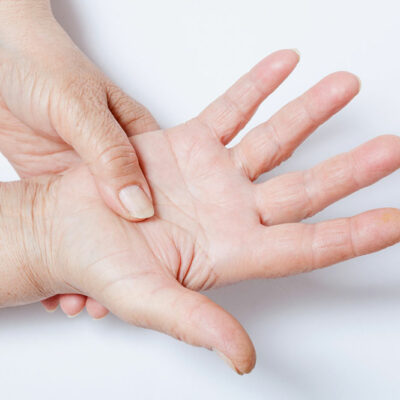
3 types of common signs of Huntington’s disease
health

3 types of common signs of Huntington’s disease

Huntington’s disease or Huntington disease results in a progressive breakdown or a degeneration of nerve cells in the brain. This is a rare disease, typically passed down through generations, which means it is inherited. It impacts the functional abilities of a person, leading to cognitive, movement, and psychiatric disorders. There is no treatment to cure the disease completely; however, there are options to help manage the symptoms. Here are common signs of the disease. Signs and symptoms of Huntington’s disease The symptoms vary from person to person, as there is a wide spectrum of signs to look out for. Here are some symptoms that can be observed in patients: Movement disorders This kind of disorder involves not just involuntary movement disorders but also impaired movement disorders. Examples include writhing movements called chorea or involuntary jerking. Chorea is a movement disorder that occurs due to an overactivity of dopamine in brain areas that control movement. This overactivity leads to sudden, involuntary, irregular, and uncontrollable jerky movements, which can occur in the arms, legs, and facial muscles. Muscle issues like rigidity or muscle contracture (also called dystonia), slow or unusual eye movements, difficulty with speech or swallowing, and impaired gait, posture, and balance are noted.

COPD – Early signs and management
health

COPD – Early signs and management

Chronic Obstructive Pulmonary Disorder (COPD) is a chronic inflammatory lung condition. This common disorder affects over 12 million people in the country, causing an obstruction in the airflow in the lungs. Recognizing early signs of COPD can lead to a quicker diagnosis. This allows for better management of the condition, reducing the risk of lung function loss. This article sheds light on the early signs and management of COPD: Signs Here are some of the early signs of COPD: Shortness of breath with mild physical exercise such as walking, using the stairs, or performing daily activities Difficulty taking a deep breath Wheezing Chest tightness Chronic cough that may produce clear, white, yellow, or greenish mucus Frequent respiratory infections Lack of energy or fatigue that lasts for more than a day Swelling in the ankles, feet, or legs Change in color, thickness, amount, or odor of sputum (mucus) Presence of blood in sputum Frequent morning headaches or dizziness Fever, especially with cold or flu symptoms Restlessness, confusion, forgetfulness, or slurred speech COPD treatment COPD treatment is focused on symptom management, such as relieving coughing, easing breathing problems, and reducing the risk of respiratory infections. Commonly prescribed treatment methods include the following:
4 early signs of COPD to know of
health

4 early signs of COPD to know of

Chronic Obstructive Pulmonary Disease (COPD) is a progressive lung condition affecting millions worldwide. It is the third most significant cause of death in patients, claiming more than 3 million lives in 2019. However, it often remains undiagnosed until it reaches advanced stages, making early detection crucial for better management and improved quality of life. To do so, exploring the early signs of COPD and taking the necessary actions to mitigate them is essential. Chronic cough Chronic cough is among the earliest indicators of COPD. The persistent cough is commonly dismissed as a symptom of a minor infection or inhalation of allergens. It is typical for the cough to linger around for months. The primary cause for this persistent cough is the prolonged exposure of the respiratory system to chronic inflammation or irritation. Long-term exposure to environmental irritants like chemicals, dust, and other air pollutants can trigger it. Increased mucus COPD patients experience increased mucus production, often accompanied by persistent coughing. The mucus produced in such patients is thicker and stickier than in minor infections. Usually, the lungs produce mucus to protect the airway against irritants. The mucus traps pollutants that enter the respiratory system and eliminates them. When exposed to high levels of irritants, the body produces more mucus to fight off the invaders.
5 warning signs of heart attack that should not be ignored
health

5 warning signs of heart attack that should not be ignored

As per research, about 800,000 people in the country suffer from a heart attack yearly. Given the severity of this cardiovascular disease, it is important for everyone to have basic knowledge of its early signs and symptoms. Like for any ailment, the human body shows early warning signs of heart attack too, and if recognized in time, it can help save one’s life. Here are some early signs of a heart attack one shouldn’t ignore. Pain in the upper body One of the earliest signs of a heart attack is experiencing discomfort or throbbing pain in the arms, neck, back, or jaw. Sometimes, this discomfort may even be felt in the upper part of the abdomen. Breathlessness and tightness in the chest If one suddenly experiences heavy breathing or breathlessness as if they have just run a marathon (when they have not), it might be a serious sign of a heart attack. Sometimes, the shortness of breath may also be felt along with a tightness in the chest. In such a scenario, one may need immediate medical attention. Indigestion Sometimes, the early signs of a heart attack can also include indigestion, nausea, and vomiting. These may not necessarily indicate a heart attack but they should not be dismissed.
5 common mistakes to avoid with dental implants
health

5 common mistakes to avoid with dental implants

Dental implants are tooth-like structures that are inserted by certified dental surgeons into the patient’s jawbone. In most cases, these are custom-made according to the patient’s needs. Furthermore, implants are suggested when patients lose one or more teeth. It aids in improving their chewing function. However, it is important to avoid certain mistakes in order to ensure a successful outcome. Therefore, here are some common mistakes to avoid with dental implants. Choosing inexperienced dentists Dental procedures, especially implants, are complex. If a patient chooses an inexperienced dentist for the procedure, it can result in certain mistakes that can seriously affect the patient’s health. For instance, if the implant is placed in the wrong position, it may not bond with the jaw bone, leading to further discomfort and issues. Hence, patients are suggested to choose qualified and experienced dentists for the procedure. Not communicating about personal medical history One of the most significant mistakes to avoid when working with dentists for dental implants is not informing the medical personnel about one’s medical history. This is because some health conditions like cancer, uncontrolled diabetes, and gum disease can affect the outcome. So, patients must ensure that they communicate their complete medical history during the initial evaluation.
8 foods to eat while healing from copd signs
health

8 foods to eat while healing from copd signs

For individuals facing the challenges of COPD (Chronic obstructive pulmonary disease), finding the right foods can make a significant difference in their journey toward healing and improved well-being. A tailored nutrition approach guided by healthcare professionals can help those with COPD live an improved quality of life. This article explores specific foods that are important in promoting healing and offer support in managing COPD symptoms. Some of the top foods are: Broccoli, spinach, and kale Incorporating nutrient-rich vegetables into one’s daily meals can be vital in managing COPD symptoms. Vegetables like broccoli, spinach, kale, and carrots are rich in vitamins, minerals, and antioxidants. These essential nutrients help reduce inflammation, support the immune system, and improve respiratory health. Salmon and mackerel Salmon and mackerel, rich in omega-3 fatty acids, can be incredibly beneficial for people with COPD. These healthy fats have anti-inflammatory properties that may assist in reducing inflammation in the airways. Individuals with COPD can experience improved lung function and easier breathing by including these fish in their meal plans. Chicken, turkey, and tofu (lean proteins) Lean protein sources like skinless chicken and tofu are necessary for tissue repair and maintenance. Consuming these proteins helps strengthen muscles, a crucial aspect of managing COPD symptoms.
5 foods that can provide relief from constipation
health

5 foods that can provide relief from constipation

Constipation means difficulty passing stools. A person suffering from constipation may experience strain and pass lump and hard stools. It is one of the most common health conditions in the country, with at least 14% of the population suffering from it. Sadly, this condition can lead to other complications, like hemorrhoids. But a few foods can help relieve the condition. Let’s take a look at some foods that can help relieve constipation. Apples Apples are a great source of fiber if eaten with their skin. They contain soluble fiber that is mainly in the form of dietary fiber called pectin. Gut bacteria rapidly ferment pectin, and this retains water in the colon, softening the stool and providing relief from constipation. Citrus fruits Citrus fruits such as grapefruit, orange, and mandarins are also a good source of fiber. Apart from pectin, they also contain a good amount of vitamin C and a flavonol called naringenin. A combination of these can ease constipation. Prunes Prunes or dried plums have been long used as a remedy for constipation. Like apple and other citrus fruits, prunes also contain high amounts of fiber. These produce short-chain fatty acids that help in increasing stool weight. Sweet potato Apart from being a great alternative to potatoes, sweet potatoes are rich in an insoluble fiber called cellulose and lignin that help add bulk to the stools, aiding easy bowel movement.
5 tasty and nutritious snack options for diabetics
health

5 tasty and nutritious snack options for diabetics

The next time a sugary treat entices you at the supermarket, consider the fact that almost 11% of the country’s population grapples with diabetes. Easy access to foods high in sugar and unhealthy fats has spurred an unprecedented increase in the number of individuals with diabetes. However, on the bright side, here’s a list of delicious and nutritious foods to indulge in without worrying about a spike in blood sugar levels. Hard-boiled eggs Hard-boiled eggs are high-protein, low-carb food sources that slow glucose absorption and aid digestion. Research suggests that consuming approximately two eggs a day has no adverse effects on the body in terms of cholesterol, blood sugar, and other parameters. Moreover, it typically enhances one’s fasting blood sugar levels. Boiled chickpeas The American Diabetes Association recommends chickpeas as high-fiber foods linked with low blood sugar levels. A bowl of boiled chickpeas garnished with pepper, lemon juice, and coriander leaves can fill one up till dinnertime! Fresh berries Berries such as strawberries, raspberries, blueberries, and blackberries are great additions to one’s meal plan if they have been diagnosed with type-2 diabetes. Berries typically have a low glycemic index and are packed with essential vitamins, fiber, and antioxidants. One may consume them directly or add them to their porridge and smoothies.
Multiple myeloma – Foods to eat and avoid
health

Multiple myeloma – Foods to eat and avoid

Multiple myeloma is a type of blood cancer that develops in the bone marrow and affects the production of healthy blood cells. It typically affects the plasma, the largest part of the blood, and its ability to develop antibodies. While there is no cure for this cancer, it can be managed by making certain changes in lifestyle. For instance, exercising, having medications, and eating and avoiding certain foods can help keep the disease under control. Freshly cooked vegetables Darks greens and starchy vegetables are rich sources of vitamins and minerals that help boost immunity. Those who have been diagnosed with multiple myeloma are also at risk of developing anemia. Doctors advise including more iron-rich foods to reduce the risk of low red blood cell count. One can add broccoli, kale, brussels sprouts, and bell peppers to their means, as they are rich in iron. Additionally, carrots and artichokes are rich in fiber. Fiber boosts digestion and reduces the risk of constipation, a common symptom observed during chemotherapy treatment. Fresh fruits Fruits, rich in antioxidants, can counter oxidative stress and boost immunity. Blueberries, raspberries, cherries, cranberries, strawberries, and blackberries are cancer-fighting fruits that help combat the damage done to healthy cells.
7 things to avoid to manage rheumatoid arthritis
health

7 things to avoid to manage rheumatoid arthritis

This autoimmune disease is characterized as an inflammatory disease that attacks the lining of the joints in the body. The inflammation around the joints causes swelling, tenderness, and pain. This chronic disease may affect one or multiple joints at once. Over a period, rheumatoid arthritis (RA) can lead to bone erosion and joint deformity. Given the seriousness of this long-term illness, we have enlisted things that can worsen rheumatoid arthritis. Too much rest is not a good idea Moving around with rheumatoid arthritis could get challenging, but adopting an active lifestyle is instead a smarter thing to do. Doing daily chores, going for a stroll, and picking hobbies like gardening keeps. An active lifestyle rewards the body in the long run. After all, working out is one of the most important ways to lessen the disability associated with this condition. Exercise regularly can improve strength and flexibility in those with rheumatoid arthritis. Stronger muscles can support the joints well; on the other hand, better flexibility can aid joint function. Skipping treatment It’s not wise to stop treatment or avoid taking the prescribed tablets for the condition. If a dose is missed, it’s advised to have it as soon as possible.

Top Articles

Symptoms, causes, and risks of peptic ulcer
health

Symptoms, causes, and risks of peptic ulcer

Peptic ulcer affects about 4.6 million Americans every year. Peptic ulcer results in open sores forming on the upper portion of the small intestine and the inside lining of the stomach. The first one is known as the duodenal ulcer, and the second type is known as a gastric ulcer. Read on to know more about its symptoms, causes, and risks associated with this condition. Symptoms of peptic ulcer If you feel a burning pain in the stomach, then it can be a sign of peptic ulcers, as it is the most common symptom of the disease. The pain can get worse at night or between meals. The acid in your stomach makes it worse. Other than the pain, some other common symptoms of peptic ulcers include feeling bloated or full, intolerance to fatty food, nausea, and heartburn. Apart from these, the other signs may include: Vomiting with the presence of blood Presence of dark blood in the stool Trouble in breathing Feeling faint Nausea Sudden weight loss Change in appetite Taking acid blockers can relieve the pain temporarily. If it keeps coming back, you need to contact your doctor. Causes of peptic ulcer Stomach conditions may have a variety of causes, which is true for peptic ulcers too.
Heart disease – Symptoms, causes, and risk factors
health

Heart disease – Symptoms, causes, and risk factors

Several diseases are included under the umbrella term of heart diseases and are also called cardiovascular diseases. They lead to the blood vessels becoming narrow or getting blocked, which, in turn, can result in a heart attack or stroke or cause pain in the chest. Other heart conditions affect the heart’s muscle, rhythm, or valve. Symptoms The symptoms vary according to the condition diagnosed. The symptoms of common cardiovascular diseases are discussed below. Symptoms of atherosclerotic disease Pain in the chest or feeling a sense of tightness or discomfort in the area Shortness of breath Limbs feeling numb or severely cold if the blood vessels have narrowed in the area, as it affects blood circulation Pain in the jaw, back, upper abdomen, or neck Symptoms of abnormality in the heartbeat or arrhythmia Fluttering sensation in the chest Racing or slow heartbeat Discomfort or pain in the chest Feeling dizzy or fainting Light-headedness Symptoms of heart defects or related conditions Skin color turning blue or pale gray Abdominal swelling or swelling in the area surrounding the eyes Shortness of breath while feedings in case of an infant Symptoms of dilated cardiomyopathy Breathlessness Swelling in the legs, feet, and ankles Feeling a sense of fatigue and dizziness Irregular heartbeat Symptoms related to heart infections Fever Shortness of breath Feeling weak Change in the heart rhythm Persistent cough Skin rashes Causes The causes vary depending on the type of heart disease one is affected with.
Symptoms, causes, and risk factors of immune system disorder
health

Symptoms, causes, and risk factors of immune system disorder

The immune system is referred to as the defense system that protects the body against different kinds of diseases. The stronger the immune system, the higher will be the chances of the body staying away from diseases. Suffering from immunodeficiency or immune system disorder is a cause of concern and must be immediately addressed. Symptoms Cold hands If the blood vessels suffer from inflammation, it gets difficult for the ears, toes, fingers, and nose to stay warm. The affected portion of the skin turns white. Slowly, the color changes into blue when these areas are further exposed to some cold object or atmosphere. When the flow of the blood becomes normal, the skin turns back to red. Medical experts refer to this as the Raynaud’s phenomenon. It is one of the most commonly observed symptoms of immune system disorder. Dry eyes When a person is suffering from an autoimmune disorder, his immune system, instead of protecting his body against diseases, attacks it. Lupus and rheumatoid arthritis are two of the most common examples of this condition. People who suffer from an autoimmune disorder tend to have dry eyes. The person will feel the presence of some grainy object when this happens.
Common joint conditions and their symptoms and risk factors
health

Common joint conditions and their symptoms and risk factors

Joint conditions are commonly associated with increasing age, but they can also be a result of injuries or may develop due to other medical conditions affecting bone and joint health. Arthritis, a commonly diagnosed joint condition, has over 200 types. Depending on the severity of the disease, these conditions can also affect a patient’s quality of life. Read on to know the symptoms, causes, and factors that increase one’s risk of developing joint conditions. Symptoms of joint conditions The following are some of the symptoms that most joint conditions are accompanied by: Joint stiffness Weakness in the joints Inflammation, swelling, and redness of the affected joint Limping due to pain and stiffness Joint getting locked Tearing of the cartilage Commonly-diagnosed joint conditions and their causes Osteoarthritis This form of arthritis involves the wear-and-tear of the joint’s cartilage, which means the risk of developing this disease elevates with age. The cartilage plays the role of a cushion between the bones in order to prevent friction that can cause damage. Damaged cartilage due to this condition results in the bones losing their protection and clashing, causing pain and restricting movement and flexibility. This usually occurs gradually, but it can also develop suddenly in the case of an infection or injury.
All you need to know about menopause
health

All you need to know about menopause

Menopause marks the end of a woman’s menstrual cycles. It is typically diagnosed after a year of no menstrual periods, but it begins much before that. Menopause occurs in your forties and even fifties, but the average age when it occurs in the US is 51. While it is a natural and biological process, the physical symptoms and the hot flashes may cause disruptions in your sleep and even affect your emotional health in general. There are plenty of treatments available. But, to get started, you need to know what the condition looks and feels like. Here are the symptoms, causes, and complications related to menopause. Symptoms of menopause In the time leading up to menopause, you may experience some common symptoms such as irregularity in periods, dryness in the vagina, as well as hot flashes. Some people also experience chills, sleep problems, mood swings, and night sweats. Weight gain and slowed metabolism are two other symptoms that commonly occur with menopause. Menopausal women may even experience dry skin and thinning hair on a regular basis. However, this is not to say that all women experience these symptoms. Different women go through different issues. Depending on your health in general, you may experience varying levels of symptoms.
Mental health conditions – What you should know
health

Mental health conditions – What you should know

Millions of people live with different types of mental illnesses and health problems. These include obsessive-compulsive disorder, social anxiety, and personality disorders. All of these come under the umbrella of mental health. In this article, we will cover the symptoms, causes, and risk factors of some common mental health disorders such as obsessive-compulsive disorder (OCD), post-traumatic stress disorder (PTSD), and clinical depression to help you understand them better. Symptoms The common symptoms of mental health disorders include: Obsessive-compulsive disorder People with OCD may present the following symptoms: Constant fear of contamination and extra emphasis on cleanliness Signs of hoarding and counting belongings continuously Signs of excessive concern toward personal safety Post-traumatic stress disorder Somebody suffering from PTSD may show the following symptoms: Constantly suffering through intrusive memories Negative patterns in mood and mindset Trying to avoid thinking of the traumatic event Feeling changes in emotional and physical reactions Clinical depression The symptoms of clinical depression include: Being moody and experiencing different emotions, such as aggressiveness, anxiousness, and restlessness Adverse effect on sexual life A decline of cognitive abilities Poor sleep patterns If you notice any of these symptoms, we recommend consulting with a mental health doctor immediately. Causes The common causes of any mental health disorder include the following: