
4 signs of aging skin linked to high sugar intake
health

4 signs of aging skin linked to high sugar intake

Foods rich in sugar may help boost energy levels for a short period, however, excessive sugar intake has adverse effects on health. One of the key consequences of having a lot of sugary foods and beverages is diabetes, which affects various parts of the body, like the heart, kidneys, and skin. Further, this can interfere with the natural aging process of the skin. So, here are a few signs of aging associated with sugar intake: Yellow, red, or brown patches One with high blood sugar may experience issues such as small raised bumps on the skin that look like pimples. Eventually, these turn into patches of swollen and hard skin, taking on a yellowish, reddish, or brown color. Other signs include itchy and painful skin, visible blood vessels, and a shiny appearance of the surrounding skin. Hard, thick skin Another common sign of aging brought on by excessive sugar intake is hard, thickened skin on the fingers, toes, or both, known as digital sclerosis. One may notice waxy skin on the back of their hands and find it difficult to move the fingers. This sign may also spread to the forearms and upper arms, back, shoulders, and neck. Blisters Excessive sugar intake may lead to the development of blisters on the skin.
4 hearing conditions linked to diabetes
health

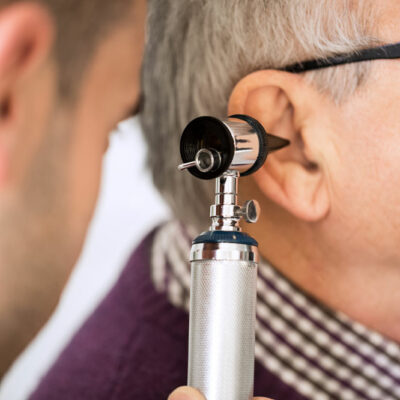
4 hearing conditions linked to diabetes

The ears play a vital role in helping individuals perceive their surroundings through hearing. Unfortunately, around 15% of adults nationwide experience some form of hearing difficulty. This health condition can arise from various factors like damage to the inner ear, aging, loud noise, and genetic variations. Unbeknownst to many, several studies have associated excessive sugar intake with the onset and deterioration of hearing problems. Some hearing disorders associated with diabetes are listed below. Sensorineural hearing loss Sensorineural hearing loss (SNHL) results from damage to the auditory nerve, cochlea, or central nervous system. This type of hearing loss is commonly associated with complications resulting from diabetes. Typically, over time, diabetes can damage the tiny blood vessels and nerves present in the inner ear, contributing to the onset of this hearing condition. Sounds seeming excessively loud in one ear, problems with understanding conversations, and difficulty hearing in noisy environments are some early signs of SNHL. Tinnitus Tinnitus refers to persistent ringing in the ears, even without an external source. The condition is more prevalent among individuals with diabetes. Excessive sugar intake can change one’s brain function, posing a challenge for the brain to regulate the activities of the central nervous system. Consequently, one may temporarily experience tinnitus until the brain’s functioning returns to normal levels.
4 ways in which excess sugar affects the nervous system
health

4 ways in which excess sugar affects the nervous system

Sugar is one of the most widely and regularly used ingredients in many foods and beverages. It provides a short energy boost that can be quite rewarding. This is why many people indulge in sugary sweets and beverages, to repeatedly mimic the benefit. However, indulgences can turn into addictions, leading to excessive sugar consumption that disrupts the functioning of the central nervous system. Here are some common signs one should look out for. Cognitive issues Excess sugar negatively impacts a person’s memory and learning capabilities. High glucose levels in the blood stream can slow down thinking, affect attention span, and trigger inflammation in the brain. Sugar can also create an imbalance in brain chemicals and affect hormones to cause mood swings. One might experience depression and increased anxiety as blood glucose levels continue to fluctuate. Vision problems Overindulging in sugary foods can trigger focal nerve damage that directly affects one’s vision. Common signs of vision problems in the early stages include trouble with focusing on objects or experiencing double vision. The brain loses its ability to automatically identify and focus on individual objects in the foreground while blurring the background and vice versa. Peripheral vision is also affected due to these reasons.
4 early signs of cancer due to excess sugar
health

4 early signs of cancer due to excess sugar

From diabetes to cardiac concerns, the detrimental effects of excessive sugar intake are well-documented. However, recent studies have uncovered a potential link between sugar intake and cancer development. This revelation has sparked curiosity and concern among health-conscious individuals seeking to understand the complex relationship between sugar and this fatal disease. Unraveling these early warning signs helps us empower ourselves with knowledge and make informed choices to protect our health. Chronic fatigue and weakness Persistent fatigue and weakness can be early warning signs of cancer related to excessive sugar intake. It can lead to rapid fluctuations in blood sugar levels, resulting in energy crashes and chronic fatigue. Certain cancers, such as leukemia and lymphoma, can cause fatigue due to their impact on the body’s immune system. Frequent infections Increased intake of refined carbohydrates and sugary foods can suppress the immune system. And a weakened immune system is just an accessible entryway to numerous infection-causing microorganisms. It puts patients at a higher risk of catching infections frequently and impairs their ability to fight off infections. The suppressed immune system also increases the risk of developing various types of cancer. Recurrent respiratory, skin, and urinary tract infections can indicate an underlying cancerous condition.
7 joint problems linked to high blood sugar
health

7 joint problems linked to high blood sugar

Those with diabetes have high blood sugar, and over time, if neglected, elevated blood glucose levels can affect different aspects of health. One of the common complications is joint pain. Joints keep the bones from rubbing together, prevent breakage, allow movement, and provide dexterity. Joint pain or discomfort may be temporary or chronic, affecting the ability to perform daily activities. Diabetic joint pain could also stem from musculoskeletal or nervous system problems. Here are a few complications of high blood sugar that can cause joint pain: Musculoskeletal conditions When left untreated, diabetes can cause the breakdown of the musculoskeletal system, causing joint pain and limiting movement. People with diabetes have a higher risk of developing the following conditions that cause joint pain and discomfort. Carpal tunnel syndrome: Symptoms include pain in the arm and hand, sensation of pins and needles, hand or wrist weakness, and tingling or numbness. Dupuytren’s contracture: Here, drawing up or thickening of the skin of the palm is the most common symptom. Over time, this condition may limit the ability to fully straighten the fingers. Trigger finger: Common symptoms for this condition include finger stiffness, popping or clicking sensation during movement, and tenderness or bumps at the base of the affected finger.
4 signs of kidney disease due to excess sugar consumption
health

4 signs of kidney disease due to excess sugar consumption

Most people enjoy munching on sugary foods like cookies and indulge in fizzy drinks throughout the year. While consuming these in moderation might be alright, excess sugar intake can lead to diabetes. People with diabetes may develop a subtype of the disease known as diabetic nephropathy, which affects the kidneys. Here are four signs associated with kidney problems caused due to diabetes. These signs may require an expert’s intervention who will recommend a treatment plan. Frequent urination (Polyuria) One of the symptoms an individual with diabetic nephropathy may experience is frequent urination. When the blood sugar levels are very high, the kidneys may not be able to keep up with the amount of glucose and allow some of it to go into the urine. Therefore, the individual may have the urge to urinate often, even at night. Loss of body mass An individual may lose a couple of pounds due to multiple factors, including regular exercise. However, if this happens without any effort, they might have diabetes. People with type 2 diabetes may have extra glucose circulating in the body, which goes into their urine. Therefore, they may lose pounds even when they eat more to satisfy their hunger. The symptom must be checked by an expert immediately.
3 signs of liver damage linked to high sugar intake
health

3 signs of liver damage linked to high sugar intake

Excessive sugar consumption is a significant risk factor for various health conditions. While many organs can get affected by eating too much sugar, the liver is among the most susceptible. When people indulge in sugary foods too often, the liver’s workload intensifies. In other words, it works harder to process and metabolize the excess sugar entering the bloodstream. Consequently, this increases the risk of liver disease and damage with time. Signs of liver disease due to excessive sugar intake When the liver is affected due to excessive sugar consumption, the body exhibits specific symptoms. Knowing these symptoms can help people prioritize liver health and make informed decisions regarding their sugar intake: Dark urine Liver disease caused by excessive sugar consumption can impact the production and flow of bile, resulting in changes in urine and stool color. Dark urine, along with other symptoms like nausea, vomiting, loss of appetite, and discoloration of the eyes, can indicate a disruption in the liver’s ability to process and eliminate waste products properly. Fatigue and lack of energy Unexplained fatigue and a constant lack of energy are prominent signs of liver disease caused by high sugar intake. When the liver is burdened with processing excess sugar, it struggles to maintain stable insulin levels and regulate blood glucose effectively.
4 symptoms of gastrointestinal disorders caused by excessive blood sugar
health

4 symptoms of gastrointestinal disorders caused by excessive blood sugar

Despite some of its benefits, sugar is generally considered to be bad for one’s gastrointestinal health. Excessive sugar consumption causes a host of serious health conditions for people such as diabetes, cardiovascular problems, and stool-related issues. Sugar tends to affect a person’s gut particularly badly, in case the consumption levels are high. An individual with high blood sugar will experience certain symptoms indicative of serious gastrointestinal disorders. Four such common symptoms are discussed below. Gas When one consumes excessive sugar, it cannot be broken down by the digestive system. As a result, the sugar is not absorbed by the body and it sits and ferments in an individual’s bowels. Additionally, the sugar moves slowly through one’s large intestine. This results in the festering of bad bacteria and yeast in the bowels and lower intestinal areas, causing a build-up of gas. Generally, gas is accompanied by acute abdomen pain, spasms, and cramping in those with high blood sugar levels. Vomiting Hyperglycemia, the medical term for high blood sugar, often happens when an individual’s body is either not producing enough insulin or the body cannot use this insulin properly. This results in gastrointestinal disease symptoms such as nausea and vomiting. Apart from those, frequent urination is also experienced by individuals with high blood sugar due to this mechanism.
4 signs of diabetic neuropathy due to high blood sugar
health

4 signs of diabetic neuropathy due to high blood sugar

Diabetic neuropathy occurs when a person has had high blood sugar levels for a long time. It causes nerve damage that progresses over several decades. It is a common and often serious complication for those with long-term type 1 and type 2 diabetes. People have to manage their blood sugar levels to prevent further complications. This is why it is important to watch out for these signs of diabetic neuropathy due to excessive sugar levels. Frequent feelings of numbness One of the common signs of diabetic neuropathy due to excessive sugar levels in the blood is the frequent feeling of numbness in the extremities. Some people are not able to feel their feet while they are walking. The feeling of tingling or burning is also experienced in the feet or hands. Some also feel they are wearing gloves or socks when they are not. Sudden shooting pains Diabetic neuropathy can also cause a person to experience sudden and sharp pains in their body. It usually occurs in the hands and often feels like an electric current passing through. The shooting pain can also cause cramping while the person is trying to grasp something like a spoon or a glass of water.
3 signs of Alzheimer’s due to excessive sugar
health

3 signs of Alzheimer’s due to excessive sugar

Excessive sugar intake is always considered harmful to the body. It can also cause complications, leading to mental health disorders like dementia and Alzheimer’s. This is a progressive illness that destroys memory power and also some other brain functions that make engaging in everyday activities difficult. While it is difficult to diagnose Alzheimer’s easily, some signs and symptoms can be recognized in its early stages. Cognitive decline Eating excess sugary foods is associated with compromised cognitive performance and weakened memory, which are the symptoms of Alzheimer’s disease. When there is too much sugar in the blood, it can get thicker and can weaken the blood vessels. This leads to a decline in mental health that can increase the risk of dementia and cause Alzheimer’s in the long run. Also, when the blood vessels are weakened or destroyed, the blood supply to other body parts is reduced. This can cause the blood vessels to clog, resulting in a series of strokes that cause different symptoms of dementia. Inflammation in the brain When there is an increase in sugar consumption, it leads to a spike in glucose in the body. High levels of glucose can cause inflammation in the body. The cells swell up with fluid, and this causes the cell to put pressure on the tissues.

Top Articles

Symptoms, causes, and risks of peptic ulcer
health

Symptoms, causes, and risks of peptic ulcer

Peptic ulcer affects about 4.6 million Americans every year. Peptic ulcer results in open sores forming on the upper portion of the small intestine and the inside lining of the stomach. The first one is known as the duodenal ulcer, and the second type is known as a gastric ulcer. Read on to know more about its symptoms, causes, and risks associated with this condition. Symptoms of peptic ulcer If you feel a burning pain in the stomach, then it can be a sign of peptic ulcers, as it is the most common symptom of the disease. The pain can get worse at night or between meals. The acid in your stomach makes it worse. Other than the pain, some other common symptoms of peptic ulcers include feeling bloated or full, intolerance to fatty food, nausea, and heartburn. Apart from these, the other signs may include: Vomiting with the presence of blood Presence of dark blood in the stool Trouble in breathing Feeling faint Nausea Sudden weight loss Change in appetite Taking acid blockers can relieve the pain temporarily. If it keeps coming back, you need to contact your doctor. Causes of peptic ulcer Stomach conditions may have a variety of causes, which is true for peptic ulcers too.
Heart disease – Symptoms, causes, and risk factors
health

Heart disease – Symptoms, causes, and risk factors

Several diseases are included under the umbrella term of heart diseases and are also called cardiovascular diseases. They lead to the blood vessels becoming narrow or getting blocked, which, in turn, can result in a heart attack or stroke or cause pain in the chest. Other heart conditions affect the heart’s muscle, rhythm, or valve. Symptoms The symptoms vary according to the condition diagnosed. The symptoms of common cardiovascular diseases are discussed below. Symptoms of atherosclerotic disease Pain in the chest or feeling a sense of tightness or discomfort in the area Shortness of breath Limbs feeling numb or severely cold if the blood vessels have narrowed in the area, as it affects blood circulation Pain in the jaw, back, upper abdomen, or neck Symptoms of abnormality in the heartbeat or arrhythmia Fluttering sensation in the chest Racing or slow heartbeat Discomfort or pain in the chest Feeling dizzy or fainting Light-headedness Symptoms of heart defects or related conditions Skin color turning blue or pale gray Abdominal swelling or swelling in the area surrounding the eyes Shortness of breath while feedings in case of an infant Symptoms of dilated cardiomyopathy Breathlessness Swelling in the legs, feet, and ankles Feeling a sense of fatigue and dizziness Irregular heartbeat Symptoms related to heart infections Fever Shortness of breath Feeling weak Change in the heart rhythm Persistent cough Skin rashes Causes The causes vary depending on the type of heart disease one is affected with.
Symptoms, causes, and risk factors of immune system disorder
health

Symptoms, causes, and risk factors of immune system disorder

The immune system is referred to as the defense system that protects the body against different kinds of diseases. The stronger the immune system, the higher will be the chances of the body staying away from diseases. Suffering from immunodeficiency or immune system disorder is a cause of concern and must be immediately addressed. Symptoms Cold hands If the blood vessels suffer from inflammation, it gets difficult for the ears, toes, fingers, and nose to stay warm. The affected portion of the skin turns white. Slowly, the color changes into blue when these areas are further exposed to some cold object or atmosphere. When the flow of the blood becomes normal, the skin turns back to red. Medical experts refer to this as the Raynaud’s phenomenon. It is one of the most commonly observed symptoms of immune system disorder. Dry eyes When a person is suffering from an autoimmune disorder, his immune system, instead of protecting his body against diseases, attacks it. Lupus and rheumatoid arthritis are two of the most common examples of this condition. People who suffer from an autoimmune disorder tend to have dry eyes. The person will feel the presence of some grainy object when this happens.
Common joint conditions and their symptoms and risk factors
health

Common joint conditions and their symptoms and risk factors

Joint conditions are commonly associated with increasing age, but they can also be a result of injuries or may develop due to other medical conditions affecting bone and joint health. Arthritis, a commonly diagnosed joint condition, has over 200 types. Depending on the severity of the disease, these conditions can also affect a patient’s quality of life. Read on to know the symptoms, causes, and factors that increase one’s risk of developing joint conditions. Symptoms of joint conditions The following are some of the symptoms that most joint conditions are accompanied by: Joint stiffness Weakness in the joints Inflammation, swelling, and redness of the affected joint Limping due to pain and stiffness Joint getting locked Tearing of the cartilage Commonly-diagnosed joint conditions and their causes Osteoarthritis This form of arthritis involves the wear-and-tear of the joint’s cartilage, which means the risk of developing this disease elevates with age. The cartilage plays the role of a cushion between the bones in order to prevent friction that can cause damage. Damaged cartilage due to this condition results in the bones losing their protection and clashing, causing pain and restricting movement and flexibility. This usually occurs gradually, but it can also develop suddenly in the case of an infection or injury.
All you need to know about menopause
health

All you need to know about menopause

Menopause marks the end of a woman’s menstrual cycles. It is typically diagnosed after a year of no menstrual periods, but it begins much before that. Menopause occurs in your forties and even fifties, but the average age when it occurs in the US is 51. While it is a natural and biological process, the physical symptoms and the hot flashes may cause disruptions in your sleep and even affect your emotional health in general. There are plenty of treatments available. But, to get started, you need to know what the condition looks and feels like. Here are the symptoms, causes, and complications related to menopause. Symptoms of menopause In the time leading up to menopause, you may experience some common symptoms such as irregularity in periods, dryness in the vagina, as well as hot flashes. Some people also experience chills, sleep problems, mood swings, and night sweats. Weight gain and slowed metabolism are two other symptoms that commonly occur with menopause. Menopausal women may even experience dry skin and thinning hair on a regular basis. However, this is not to say that all women experience these symptoms. Different women go through different issues. Depending on your health in general, you may experience varying levels of symptoms.
Mental health conditions – What you should know
health

Mental health conditions – What you should know

Millions of people live with different types of mental illnesses and health problems. These include obsessive-compulsive disorder, social anxiety, and personality disorders. All of these come under the umbrella of mental health. In this article, we will cover the symptoms, causes, and risk factors of some common mental health disorders such as obsessive-compulsive disorder (OCD), post-traumatic stress disorder (PTSD), and clinical depression to help you understand them better. Symptoms The common symptoms of mental health disorders include: Obsessive-compulsive disorder People with OCD may present the following symptoms: Constant fear of contamination and extra emphasis on cleanliness Signs of hoarding and counting belongings continuously Signs of excessive concern toward personal safety Post-traumatic stress disorder Somebody suffering from PTSD may show the following symptoms: Constantly suffering through intrusive memories Negative patterns in mood and mindset Trying to avoid thinking of the traumatic event Feeling changes in emotional and physical reactions Clinical depression The symptoms of clinical depression include: Being moody and experiencing different emotions, such as aggressiveness, anxiousness, and restlessness Adverse effect on sexual life A decline of cognitive abilities Poor sleep patterns If you notice any of these symptoms, we recommend consulting with a mental health doctor immediately. Causes The common causes of any mental health disorder include the following: