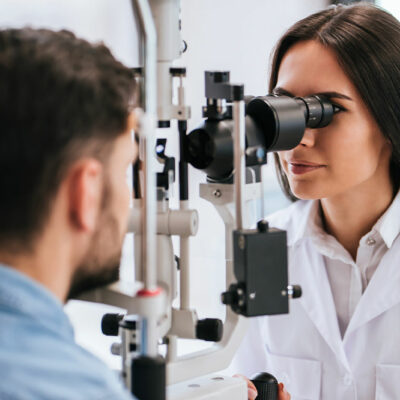
Top 4 questions to ask when consulting an ophthalmologist
health

Top 4 questions to ask when consulting an ophthalmologist

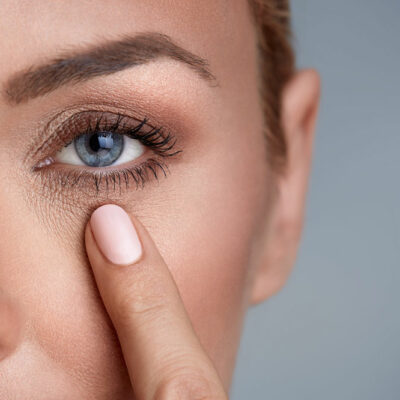
Eye checkups are incredibly important as they help diagnose common eye-related disorders such as glaucoma, macular degeneration, and cataract in their early stages. Frequent visits to an ophthalmologist can keep eye-related diseases and infections at bay. However, it is normal to have questions before and after an eye exam. Sorting out one’s concerns helps in the preparation and better management of vision health. Here are a few important questions one must ask an ophthalmologist. Important questions to ask the ophthalmologist What tests will I be undergoing today? Typically, an eye test or an eye exam is a test of the patient’s vision. It usually includes the reading out of numbers and alphabets off a chart. However, this chart is often placed at a distance. So, when one struggles to read, the ophthalmologist detects refractive errors and suggests contact lenses or eyeglasses, according to the individual’s preference. But in rare cases, one can also be suggested to undergo further diagnostic tests, especially when risk factors such as high blood pressure and heart disease are involved. What are some easy ways I can care for my eyes? Generally, as a person age, they become more susceptible to eye problems. Hence, one must ask the ophthalmologist how to care for one’s eyes at home.

4 key questions to ask a radiologist
health

4 key questions to ask a radiologist

When undergoing any kind of treatment, it is important to have an understanding of the procedures, risks involved, and the recovery process. For instance, radiology involves diagnosing and treating injuries or illnesses detected with the help of imaging procedures, like X-rays, MRIs, and CT scans. So, when consulting a radiologist, you should not hesitate to address necessary queries concerning your health. So, here are some questions you need to ask a radiologist: What is the purpose of the test? It is important to understand why a specific diagnostic test is recommended by the radiologist. You should ask the doctor about how the test will detect or confirm a health issue and the outcome you can expect. Are there any risks to consider? Most imaging tests are considered to be safe, but it is always important to ask about any side effects or risks. For example, when undergoing an MRI, you should have no metal objects on your body or clothes. Similarly, other tests might require distinct precautions to avoid safety hazards.  How is the test conducted? It is always a good idea to ask your radiologist about the test procedure. They can help make you understand the steps involved in the process, how long the procedure is, and if there is any preparation required.
6 essential questions to ask a therapist
health

6 essential questions to ask a therapist

Embarking on a therapeutic journey is a significant step toward self-discovery, healing, and personal growth. However, finding the right therapist and establishing a productive therapeutic relationship requires open communication and clarity. To make the most out of your therapy sessions, it’s essential to ask your therapist the right questions. These questions will help you gain a deeper understanding of the therapeutic process, establish mutual trust, and align your goals. Let’s discuss a few of them. What experience do you have in treating my specific concerns? Checking the therapist’s experience and expertise is essential. Knowing they have helped people with issues similar to yours will go a long way in calming your doubts and intrusive thoughts. Inquiring about their experience in treating similar cases can provide reassurance and confidence in their ability to support you effectively. How do you approach confidentiality and privacy? Confidentiality is a cornerstone of therapy, promoting a safe and trusting environment. Discussing the therapist’s approach to confidentiality, including any limits or exceptions, you can ensure that your personal information remains private. Understanding these boundaries will foster a sense of security and enable you to share openly without fear of judgment or disclosure. What are the goals and expectations of therapy?
5 causes of eye problems and damage
health

5 causes of eye problems and damage

“A thing of beauty is a joy forever,” it is rightly said. And the perception of beauty is made possible by the virtue of the eyes. From watching a movie and enjoying the beauty around us to reading an article online, every minute aspect of our lives is governed by our visual faculties. Hence, eye care should be a crucial part of caring for one’s well-being. Here are some common negative habits that affect one’s eyes: Eating unhealthy foods The eyes require vitamins, minerals, zinc, lutein, omega-3, and other essential nutrients. The body absorbs these nutrients through healthy foods. For example, carrots, tomatoes, sweet potatoes, cantaloupe, and broccoli are rich in beta-carotene, which converts to vitamin A and is essential for good eye health. Similarly, omega-3 fatty acids, like those found in fatty fish, are required for good vision. Staring at electronic devices Exposure to white light for long periods is one of the biggest concerns prevalent today, with over 66% nationwide in the country admitting to sleeping with their phones by their side at night. This alarming pattern has several negative consequences, including dry eyes and severe eye strain. Thus, the National Sleep Foundation advises that one should put away electronic devices like mobile phones at least half an hour before going to bed.
5 alarming signs of high blood sugar
health

5 alarming signs of high blood sugar

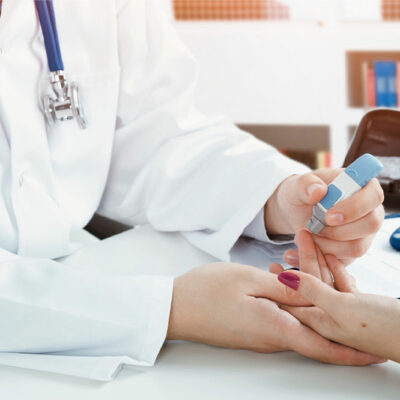
High blood sugar, also known as hyperglycemia, is a condition that affects millions of people worldwide, particularly those with diabetes. Identifying the signs of high blood sugar to prevent complications and promote overall health is essential. While elevated blood sugar levels can vary in severity, recognizing the early warning signs is crucial for timely intervention. By increasing awareness, one can empower individuals to take proactive steps toward managing their blood sugar levels. Excessive thirst Also known as polydipsia, excessive thirst is a common sign of high blood sugar caused by dehydration resulting from frequent urination. Patients with high blood sugar levels might constantly battle the urge to drink fluids to quench their insatiable thirst. Increased hunger People with high blood sugar are also prone to increased hunger as a sign of their condition. Polyphagia causes the body’s cells to miss out on receiving sufficient energy from glucose. In order to cope with it, the body breaks down stored fat and muscle tissue, which might cause unintentional loss of body mass. Frequent urination Polyuria is also one of the common signs of high blood sugar. The kidney’s primary function is to eliminate excessive sugar in the body. The urge to empty the bladder is more frequent at night, known as nocturia.
Watch out for these 5 warning signs of Parkinson’s disease
health

Watch out for these 5 warning signs of Parkinson’s disease

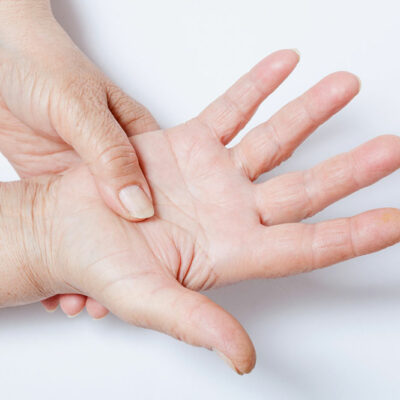
A debilitating neurological disorder, Parkinson’s disease, affects the nervous system. It is generally observed among those above the age of 60 years. In some cases, people below 50 also develop an early onset of the disease. It is common among those with a family history of the condition. Over time, the effect on the nervous system becomes apparent through several symptoms. There are warning signs of Parkinson’s that should not be ignored, which can help seek diagnosis and treatment. Temors in the hands This is one of the most noticeable warning signs of Parkinson’s. It is also known as rhythmic shaking. The tremors or shaking start to occur in the limbs of the hands or fingers. Sometimes, there is a pill-rolling tremor that causes a person to rub their thumb and forefinger against each other. The handwriting grows smaller It is normal for handwriting to change with age. However, Parkinson’s causes a person’s handwriting to become smaller, making it illegible over time. The words appear crowded, or the lines are not straight. This condition caused by Parkinson’s is also known as micrographia. The movements become slow Parkinson’s progresses over time to cause a person’s movements to become slower. They start to walk slower than their regular speed.
5 bad habits that lead to poor skin
health

5 bad habits that lead to poor skin

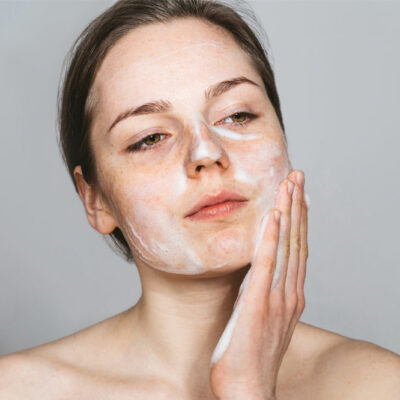
There is so much advice floating around us when it comes to skincare. From online trends to old lores, it is important to filter this information and create a skincare routine that will get you closer to achieving your skin goals. However, while searching for the right products and foods, several bad habits can wreak havoc on your skin and slow down your progress. Here are five skincare habits that can worsen skin health: Not wearing sunscreen around the year Many of us assume that the sun isn’t bright or visible enough to affect our skin during the winter months. But, the sun’s UV rays still percolate to the ground and can affect your skin. To prevent photodamage from this exposure, wearing sunscreen all year round is important. Not removing your makeup before bed Washing your face before going to bed is one of the most important steps in your skincare routine. Throughout the day, your skin is exposed to several things, such as makeup, dust, dirt, and grime. Washing your face at the end of the day will help you remove these from the surface of your skin so they do not clog your pores and lead to more breakouts.
5 foods to improve blood count and blood circulation
health

5 foods to improve blood count and blood circulation

Poor blood circulation can occur due to a number of health conditions. These include peripheral artery disease or PAD, diabetes, and Raynaud’s disease. While these require treatments prescribed by healthcare professionals, eating certain foods to improve blood count and blood circulation can also help. These foods also benefit athletes and those who indulge in physical activities to improve recovery and stamina. Here are some of these few foods to add to everyday meals. Broccoli One of the healthiest cruciferous vegetables is broccoli, which is packed with several nutrients. It is a rich source of vitamin B9 or folate. This nutrient is important to increase the count of red blood cells in the body. Adding broccoli to salads, stir-fried meals, and other food options can help the body produce red blood cells quicker, thus improving blood count and blood circulation. Bananas Adding bananas to cereal or having banana smoothies is not just filling but also extremely good for blood. This is because bananas are one of the richest sources of potassium. Potassium can lower blood pressure and improve blood flow. This is especially helpful if there is an excess of sodium in the body. High levels of sodium can lead to high blood pressure.
5 health issues caused by excess water intake
health

5 health issues caused by excess water intake

Approximately 60% to 75% of the body is water. It is essential to every bodily function, from blood circulation to digestion. This is why drinking the optimal amount of water is vital for overall health. Most experts recommend drinking about eight glasses of water daily; drinking too little increases the risk of dehydration. On the flip side, drinking too much water is also unhealthy. Here are a few health issues caused by drinking excessive water. Hyponatremia This condition is caused by a drop in the sodium levels in the body. Sodium is one of the essential electrolytes in the body that balances the fluid levels inside and outside the body’s cells—overhydration or drinking too much water cause sodium levels to go down. Headache Drinking too much water may disrupt brain function. The excess water enters the cells, including the brain cells, resulting in their swelling. This exerts pressure on the brain, leading to headaches and dizziness. Some people also experience confusion because of this. Nausea Sometimes the health issues because of drinking excessive water are similar to that of dehydration. While a lack of water puts a strain on the kidneys, so does excess water content in the body. This strain occurs because the kidneys cannot expel the additional water.
5 hotspots that can spread respiratory illnesses
health

5 hotspots that can spread respiratory illnesses

As the flu season approaches, it is important to keep yourself healthy and free of infections. There is an increased risk of diseases like respiratory syncytial virus (RSVI), human metapneumovirus (HPMV), adenovirus, parainfluenza, and others, especially when you are regularly out and about. While stepping out is unavoidable, there are several hotspots to be wary of. Here are some traditional hotspots for respiratory illnesses that everyone is likely to encounter. Doorknobs and drawer handles Handles and knobs on doors and drawers happen to be the most frequently touched surfaces around the home. Due to this reason, they have become hotspots for the transmission of diseases. To avoid these, it is vital to regularly wash your hands and wipe these spots with a disinfectant a few times a day. Keyboards and electronic keypads Keyboards and electronic keypads are also touched often but are seldom cleaned. This makes them another hotspot for the transfer of disease and infections. Be sure to wipe down the keyboard/keypad with a disinfectant after each use. Shared cutlery and tableware It is common for people to share their utensils and drinkware at home and in the office. However, this could lead to the transmission of infections from one person to the other.

Top Articles

Symptoms, causes, and risks of peptic ulcer
health

Symptoms, causes, and risks of peptic ulcer

Peptic ulcer affects about 4.6 million Americans every year. Peptic ulcer results in open sores forming on the upper portion of the small intestine and the inside lining of the stomach. The first one is known as the duodenal ulcer, and the second type is known as a gastric ulcer. Read on to know more about its symptoms, causes, and risks associated with this condition. Symptoms of peptic ulcer If you feel a burning pain in the stomach, then it can be a sign of peptic ulcers, as it is the most common symptom of the disease. The pain can get worse at night or between meals. The acid in your stomach makes it worse. Other than the pain, some other common symptoms of peptic ulcers include feeling bloated or full, intolerance to fatty food, nausea, and heartburn. Apart from these, the other signs may include: Vomiting with the presence of blood Presence of dark blood in the stool Trouble in breathing Feeling faint Nausea Sudden weight loss Change in appetite Taking acid blockers can relieve the pain temporarily. If it keeps coming back, you need to contact your doctor. Causes of peptic ulcer Stomach conditions may have a variety of causes, which is true for peptic ulcers too.
Heart disease – Symptoms, causes, and risk factors
health

Heart disease – Symptoms, causes, and risk factors

Several diseases are included under the umbrella term of heart diseases and are also called cardiovascular diseases. They lead to the blood vessels becoming narrow or getting blocked, which, in turn, can result in a heart attack or stroke or cause pain in the chest. Other heart conditions affect the heart’s muscle, rhythm, or valve. Symptoms The symptoms vary according to the condition diagnosed. The symptoms of common cardiovascular diseases are discussed below. Symptoms of atherosclerotic disease Pain in the chest or feeling a sense of tightness or discomfort in the area Shortness of breath Limbs feeling numb or severely cold if the blood vessels have narrowed in the area, as it affects blood circulation Pain in the jaw, back, upper abdomen, or neck Symptoms of abnormality in the heartbeat or arrhythmia Fluttering sensation in the chest Racing or slow heartbeat Discomfort or pain in the chest Feeling dizzy or fainting Light-headedness Symptoms of heart defects or related conditions Skin color turning blue or pale gray Abdominal swelling or swelling in the area surrounding the eyes Shortness of breath while feedings in case of an infant Symptoms of dilated cardiomyopathy Breathlessness Swelling in the legs, feet, and ankles Feeling a sense of fatigue and dizziness Irregular heartbeat Symptoms related to heart infections Fever Shortness of breath Feeling weak Change in the heart rhythm Persistent cough Skin rashes Causes The causes vary depending on the type of heart disease one is affected with.
Symptoms, causes, and risk factors of immune system disorder
health

Symptoms, causes, and risk factors of immune system disorder

The immune system is referred to as the defense system that protects the body against different kinds of diseases. The stronger the immune system, the higher will be the chances of the body staying away from diseases. Suffering from immunodeficiency or immune system disorder is a cause of concern and must be immediately addressed. Symptoms Cold hands If the blood vessels suffer from inflammation, it gets difficult for the ears, toes, fingers, and nose to stay warm. The affected portion of the skin turns white. Slowly, the color changes into blue when these areas are further exposed to some cold object or atmosphere. When the flow of the blood becomes normal, the skin turns back to red. Medical experts refer to this as the Raynaud’s phenomenon. It is one of the most commonly observed symptoms of immune system disorder. Dry eyes When a person is suffering from an autoimmune disorder, his immune system, instead of protecting his body against diseases, attacks it. Lupus and rheumatoid arthritis are two of the most common examples of this condition. People who suffer from an autoimmune disorder tend to have dry eyes. The person will feel the presence of some grainy object when this happens.
Common joint conditions and their symptoms and risk factors
health

Common joint conditions and their symptoms and risk factors

Joint conditions are commonly associated with increasing age, but they can also be a result of injuries or may develop due to other medical conditions affecting bone and joint health. Arthritis, a commonly diagnosed joint condition, has over 200 types. Depending on the severity of the disease, these conditions can also affect a patient’s quality of life. Read on to know the symptoms, causes, and factors that increase one’s risk of developing joint conditions. Symptoms of joint conditions The following are some of the symptoms that most joint conditions are accompanied by: Joint stiffness Weakness in the joints Inflammation, swelling, and redness of the affected joint Limping due to pain and stiffness Joint getting locked Tearing of the cartilage Commonly-diagnosed joint conditions and their causes Osteoarthritis This form of arthritis involves the wear-and-tear of the joint’s cartilage, which means the risk of developing this disease elevates with age. The cartilage plays the role of a cushion between the bones in order to prevent friction that can cause damage. Damaged cartilage due to this condition results in the bones losing their protection and clashing, causing pain and restricting movement and flexibility. This usually occurs gradually, but it can also develop suddenly in the case of an infection or injury.
All you need to know about menopause
health

All you need to know about menopause

Menopause marks the end of a woman’s menstrual cycles. It is typically diagnosed after a year of no menstrual periods, but it begins much before that. Menopause occurs in your forties and even fifties, but the average age when it occurs in the US is 51. While it is a natural and biological process, the physical symptoms and the hot flashes may cause disruptions in your sleep and even affect your emotional health in general. There are plenty of treatments available. But, to get started, you need to know what the condition looks and feels like. Here are the symptoms, causes, and complications related to menopause. Symptoms of menopause In the time leading up to menopause, you may experience some common symptoms such as irregularity in periods, dryness in the vagina, as well as hot flashes. Some people also experience chills, sleep problems, mood swings, and night sweats. Weight gain and slowed metabolism are two other symptoms that commonly occur with menopause. Menopausal women may even experience dry skin and thinning hair on a regular basis. However, this is not to say that all women experience these symptoms. Different women go through different issues. Depending on your health in general, you may experience varying levels of symptoms.
Mental health conditions – What you should know
health

Mental health conditions – What you should know

Millions of people live with different types of mental illnesses and health problems. These include obsessive-compulsive disorder, social anxiety, and personality disorders. All of these come under the umbrella of mental health. In this article, we will cover the symptoms, causes, and risk factors of some common mental health disorders such as obsessive-compulsive disorder (OCD), post-traumatic stress disorder (PTSD), and clinical depression to help you understand them better. Symptoms The common symptoms of mental health disorders include: Obsessive-compulsive disorder People with OCD may present the following symptoms: Constant fear of contamination and extra emphasis on cleanliness Signs of hoarding and counting belongings continuously Signs of excessive concern toward personal safety Post-traumatic stress disorder Somebody suffering from PTSD may show the following symptoms: Constantly suffering through intrusive memories Negative patterns in mood and mindset Trying to avoid thinking of the traumatic event Feeling changes in emotional and physical reactions Clinical depression The symptoms of clinical depression include: Being moody and experiencing different emotions, such as aggressiveness, anxiousness, and restlessness Adverse effect on sexual life A decline of cognitive abilities Poor sleep patterns If you notice any of these symptoms, we recommend consulting with a mental health doctor immediately. Causes The common causes of any mental health disorder include the following: