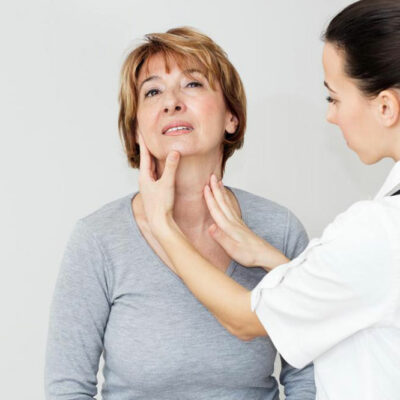
6 symptoms of esophageal cancer to pay attention to
health

6 symptoms of esophageal cancer to pay attention to

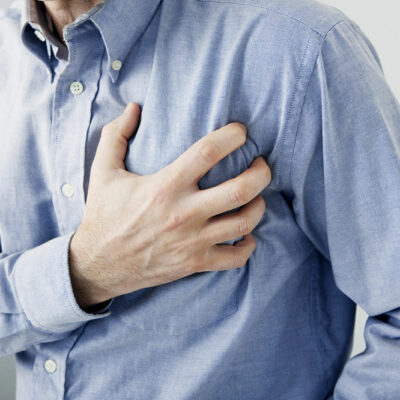
Esophageal cancer is an abnormal growth of cells in the esophagus. The mutation usually begins in the cells that line the inside of the esophagus and could develop anywhere in this tube. Various treatments and natural remedies could help in managing the condition. However, one must visit a healthcare professional to diagnose cancer early and ensure the best treatment results. Understanding the warning signs of the condition is essential for early diagnosis and management. Trouble swallowing Sometimes people may have dysphagia, which is trouble with swallowing. And these symptoms may often be misdiagnosed as other health conditions, such as eosinophilic esophagitis – an inflammation of the esophagus caused by a specific white blood cell. However, difficulty with swallowing might also occur due to the growth of cancer cells in the esophagus. The trouble might be mild at first but worsen as cancer grows and the opening inside the esophagus gets smaller. Pain in the chest Pain or discomfort in the middle region or a burning, pressurized-like sensation on the chest is often associated with conditions like heartburn. But discomfort in the chest may also be a symptom of the development of esophageal cancer. Therefore, someone who experiences this sign should get an expert’s opinion immediately.
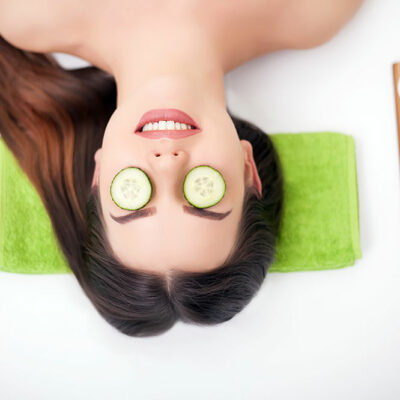
6 simple tips for sparkling eyes
health

6 simple tips for sparkling eyes

The eyes are often the first thing a person notices when looking at someone’s face. Although tiny, they can communicate emotions and express your feelings. For example, a gleam of sparkle in the eyes is often equated with excitement, vitality, and good health. If you are worried about how to make your eyes sparkle and look more bright and vibrant, here are six simple tips and tricks that could help: Avoid dry air When the eyes do not have enough moisture, they become scratchy, irritated, and dry. The problem is more common at high altitudes, in desert climates, and on airplanes, where the air is dryer than usual. It can also result from direct air blowing into your eyes from a blow dryer or car heater vent. Whatever the cause, avoid dry air as often as possible or carry eye drops to keep your eyes hydrated. Use green tea bags on your eyelids Having healthy, hydrated, and relaxed skin around the eyes is also important. Green tea is an excellent source of polyphenols like epigallocatechin gallate (EGCG), which can help fight inflammation and reduce the appearance of swollen skin. Steep green tea bags in warm water, remove them, allow them to cool, and keep them in the fridge for 15 minutes.
5 early warning signs of arthritis that shouldn’t be ignored
health

5 early warning signs of arthritis that shouldn’t be ignored

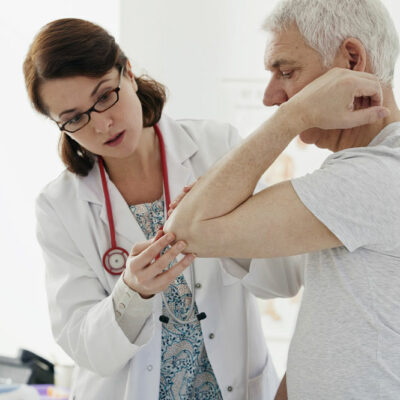
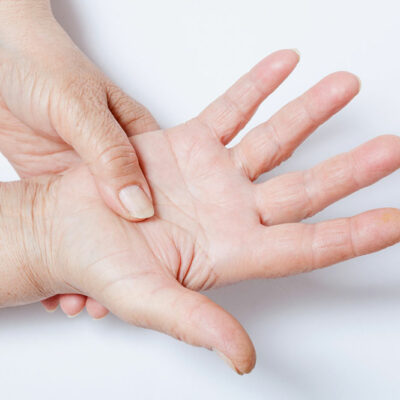
Arthritis is one of the most prevalent disorders in the country, with approximately 1 in 4 adults diagnosed with some form of the condition. There are over 100 different subtypes of arthritis, with each condition characterized by different symptoms. The most common indicators are joint pain and stiffness, which worsen with age. However, early diagnosis and prompt treatment can help patients manage symptoms. Some early warning signs that indicate arthritis are discussed below. Joint pain Arthritis mainly affects the joints with inflammation, leading to pain and tenderness in major bone and muscle groups. It is often coupled with stiffness that is prevalent in the morning and worsens with prolonged periods of inactivity. These flare-ups mainly trigger pain in the membranes connecting two joints. Skin nodules and lumps Arthritis patients often experience skin nodules or excess tissue growth under the epidermis. Inflammation is one of the main triggers of such growths on the knuckles, fingers, forearms, elbows, knees, and even behind the heels. In the case of osteoarthritis, one of the common subtypes, these lumps or nodules first appear on the big toe. Mobility issues Inflammation and pain affect vital muscle and joint groups, leading to mobility problems. The range of motion for the arms and legs becomes restricted as swelling and stiffness develop in the region.
5 early signs of bone weakening that require immediate attention
health

5 early signs of bone weakening that require immediate attention

As we age, it is normal for loose skin elasticity and weakening of the bones, also known as osteoporosis. However, the condition may get noticed sooner if one pays close attention. Weak bones are often seen in elderly patients, but in some cases, people can lose bone density at a young age due to vitamin deficiency, poor eating habits, or cancer. So let’s learn more signs that indicate the weakening of the bones. Brittle fingernails Nails and bones have no direct connection, although brittle nails could indicate a weak bone condition. Also, if you regularly get your nails done, it contributes to the poor condition of your nails. It is better to get tested in time as brittle nails are a sign of weakening bones and developing conditions like osteoporosis. Receding gums Gums are another body part that can tell you how well your bones are doing. For example, receding gums could indicate that your body might lack the required amount of calcium or vitamin D. This is seen because the gums are losing their grip on the jaw bone. Therefore, if you experience receding gums, you should visit the dentist to seek appropriate treatment. Lower back pain A common symptom associated with loss of bone density is lower back pain.
5 peeing mistakes to avoid for a healthy bladder
health

5 peeing mistakes to avoid for a healthy bladder

Most people do not give much thought to the way they urinate. But the way this important natural bodily function is carried out has a huge impact on health. A few peeing mistakes can cause bladder and kidney problems, hormonal imbalances, or other urinary tract infections that put health at risk in the long run. So, here are some common peeing mistakes one might be making and ways to avoid them: Holding it in When one is engaged in important activities, they may delay urinating even if they feel the urge. Although the bladder is designed to expand, holding pee for a long time repeatedly can damage the organ and lead to chronic bladder overstretching, disrupting bladder control. Parents or caregivers can help kids understand the importance of taking regular bathroom breaks even when in school. Peeing too frequently If one pees too frequently, even when they don’t need to, the bladder gets trained to respond to smaller volumes of urine. An overactive bladder can hamper daily life, making peeing too much one of the top peeing mistakes to avoid. Further, if one is unable to hold their pee at all, this could be a sign of an underlying health condition.
5 signs that indicate the need to consult a dermatologist
health

5 signs that indicate the need to consult a dermatologist

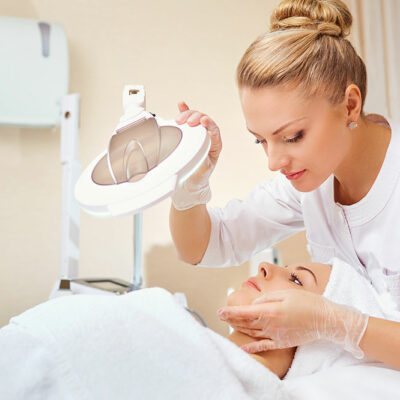
Typically, people prefer to avoid visiting a healthcare expert since it is a stressful experience. However, a person’s skin, more often than not, provides an adequate picture of their health, so if the skin is showing signs of excess dullness, redness, changes color rapidly, or displays other symptoms, it is advisable to see a skincare expert at the earliest. Here are some of the signs that mean that one has to visit a dermatologist: Having dry, flaky skin patches Dryness and flaky skin patches are indicative of health conditions like psoriasis or eczema. In fact, these tend to be some of the early symptoms of such a condition, making it imperative for people to visit a dermatologist immediately. A dermatologist can correctly detect such conditions and provide the necessary treatment or prescription-based solutions to reduce the severity of the symptoms and improve one’s quality of life. One especially needs to consult a dermatologist if they experience flaky or overly dry skin on their scalp, chest, knees, elbows, or lower back. Having nail or skin infections Skin and nail infections mean that things like fungus, bacteria, viruses, or yeast have come into contact with a person’s skin. The most common indicator of this is swelling, inflammation, pus, warts, itching, or nail/skin discoloration.
6 natural drinks that can help relieve constipation
health

6 natural drinks that can help relieve constipation

Constipation is a common condition that develops when one has fewer than three bowel movements a week. The stool that remains in the digestive tract hardens over time, making it difficult to pass. Constipation can be a result of health conditions or lifestyle factors. Although it can cause discomfort, it should not be a source of embarrassment. Further, to ease abdominal pain and reduce constipation, one should try the following drinks: Prune juice Prunes or dried plums are known for their laxative properties and for improving gastrointestinal health due to their fiber, sorbitol, magnesium, and potassium content. Certain studies have found that an intake of 80 grams of prunes per day can increase the load and frequency of bowel movements. Prune juice can relieve constipation by easing the movement of food through the digestive system. Lemon juice Lemon juice is a great source of vitamin C that pulls water into the gut. The increased water content helps soften the stool and facilitates digestion to relieve constipation. One can squeeze half a lemon into a glass of warm water and have it twice a day. Apple juice Apples are a great source of water-soluble fiber (pectin) and sorbitol, which can add bulk to the stool and help it move faster through the digestive tract.
6 signs of bad dental practices
health

6 signs of bad dental practices

Maintaining good oral hygiene does not simply refer to brushing, flossing, and home remedies. Periodic planned visits to the dentist’s office also determine the scope of oral care in the long run. But one must also be aware of the possibility of dental negligence from the professional and unsafe practices that con unsuspecting patients. It’s necessary to assert extra vigilance and identify these common red flags that question the authenticity of dental care treatments. Providing inflated bills Often, people get overwhelmed with technical jargon used for explaining treatment packages. Some professionals take advantage of this situation to bill charges explicitly without one’s knowledge. Not paying attention to detail A comprehensive exam and a thorough review of past health complications can provide valuable insights for the dentist to plan a good treatment. However, if he or she is taking this step lightly, then it’s better to avoid fixing another appointment and find a better practitioner in the neighborhood. Lack of ethics Speaking rudely, not paying attention, or unnecessarily losing one’s calm because their patients are asking questions are all warning signs that should not be ignored or tolerated. Too many promotions and ads A dental clinic that spends too much time and money advertising on billboards and online may not be good enough, as there is such a thing called as overselling.
6 foods to eat for skin, nail, and hair health
health

6 foods to eat for skin, nail, and hair health

The nails, hair, and skin perform more vital functions than we can imagine. While the nails contribute to sensations and protect the digits, the hair helps regulate the body’s temperature. The skin forms the body’s outermost layer and protects it against harmful substances and injuries. Thus, healthy hair, skin, and nails are essential for overall physical well-being. Here are some foods one should incorporate into one’s meal plan for hair, skin, and nail health: Fatty fish Fatty fish like salmon, tuna, and mackerel are high in omega-3 fatty acids, significantly boosting skin, hair, and nail health. They protect the body from sun damage and ensure good scalp health. Eggs Besides being excellent protein sources, eggs are rich in essential nutrients like vitamins A, E, and B7, zinc, and biotin. Consequently, they are highly recommended for hair, skin, and nail growth and strength. For example, one can have eggs for breakfast in the form of popular breakfast meals like scrambled eggs, boiled eggs, and omelets. Oatmeal Oatmeal is packed with fiber, zinc, copper, and essential vitamins. Zinc is particularly effective in reducing acne and facilitating strong nails. When eaten with milk, oatmeal can act as a complete breakfast meal and replenish the body with the required protein intake.
3 dos and don’ts for healthy nails
health

3 dos and don’ts for healthy nails

Although made from skin cells, fingernails and toenails are hard due to the laminated layers of a protein called keratin. Regardless of their texture, nails are an essential body part as they help us pick up things and protect our toes and fingers. Hence it’s crucial to care for them and maintain their health and appearance. What follows are a few dos and don’ts when practicing a nail care routine. Dos for healthy nails Keep them dry and clean Fingernails and toenails shouldn’t be kept wet for too long as moisture is a hotbed of bacteria production. Soaking the nails in water for an extended period can also lead to a split in the fingernails, which can become painful and lead to infections. Always wear rubber gloves with a cotton inner lining when washing dishes and cleaning the house or bathroom. They will keep your hands and nails from getting wet and coming into contact with harsh chemicals. Cut them regularly An essential component of good personal hygiene is cutting the nails regularly. While you can get a manicure from a professional, using clean clippers at home will also do the job. Cut the tips across and then shape them from the sides for a gentle curve that doesn’t hurt or get stuck in clothes.

Top Articles

Symptoms, causes, and risks of peptic ulcer
health

Symptoms, causes, and risks of peptic ulcer

Peptic ulcer affects about 4.6 million Americans every year. Peptic ulcer results in open sores forming on the upper portion of the small intestine and the inside lining of the stomach. The first one is known as the duodenal ulcer, and the second type is known as a gastric ulcer. Read on to know more about its symptoms, causes, and risks associated with this condition. Symptoms of peptic ulcer If you feel a burning pain in the stomach, then it can be a sign of peptic ulcers, as it is the most common symptom of the disease. The pain can get worse at night or between meals. The acid in your stomach makes it worse. Other than the pain, some other common symptoms of peptic ulcers include feeling bloated or full, intolerance to fatty food, nausea, and heartburn. Apart from these, the other signs may include: Vomiting with the presence of blood Presence of dark blood in the stool Trouble in breathing Feeling faint Nausea Sudden weight loss Change in appetite Taking acid blockers can relieve the pain temporarily. If it keeps coming back, you need to contact your doctor. Causes of peptic ulcer Stomach conditions may have a variety of causes, which is true for peptic ulcers too.
Heart disease – Symptoms, causes, and risk factors
health

Heart disease – Symptoms, causes, and risk factors

Several diseases are included under the umbrella term of heart diseases and are also called cardiovascular diseases. They lead to the blood vessels becoming narrow or getting blocked, which, in turn, can result in a heart attack or stroke or cause pain in the chest. Other heart conditions affect the heart’s muscle, rhythm, or valve. Symptoms The symptoms vary according to the condition diagnosed. The symptoms of common cardiovascular diseases are discussed below. Symptoms of atherosclerotic disease Pain in the chest or feeling a sense of tightness or discomfort in the area Shortness of breath Limbs feeling numb or severely cold if the blood vessels have narrowed in the area, as it affects blood circulation Pain in the jaw, back, upper abdomen, or neck Symptoms of abnormality in the heartbeat or arrhythmia Fluttering sensation in the chest Racing or slow heartbeat Discomfort or pain in the chest Feeling dizzy or fainting Light-headedness Symptoms of heart defects or related conditions Skin color turning blue or pale gray Abdominal swelling or swelling in the area surrounding the eyes Shortness of breath while feedings in case of an infant Symptoms of dilated cardiomyopathy Breathlessness Swelling in the legs, feet, and ankles Feeling a sense of fatigue and dizziness Irregular heartbeat Symptoms related to heart infections Fever Shortness of breath Feeling weak Change in the heart rhythm Persistent cough Skin rashes Causes The causes vary depending on the type of heart disease one is affected with.
Symptoms, causes, and risk factors of immune system disorder
health

Symptoms, causes, and risk factors of immune system disorder

The immune system is referred to as the defense system that protects the body against different kinds of diseases. The stronger the immune system, the higher will be the chances of the body staying away from diseases. Suffering from immunodeficiency or immune system disorder is a cause of concern and must be immediately addressed. Symptoms Cold hands If the blood vessels suffer from inflammation, it gets difficult for the ears, toes, fingers, and nose to stay warm. The affected portion of the skin turns white. Slowly, the color changes into blue when these areas are further exposed to some cold object or atmosphere. When the flow of the blood becomes normal, the skin turns back to red. Medical experts refer to this as the Raynaud’s phenomenon. It is one of the most commonly observed symptoms of immune system disorder. Dry eyes When a person is suffering from an autoimmune disorder, his immune system, instead of protecting his body against diseases, attacks it. Lupus and rheumatoid arthritis are two of the most common examples of this condition. People who suffer from an autoimmune disorder tend to have dry eyes. The person will feel the presence of some grainy object when this happens.
Common joint conditions and their symptoms and risk factors
health

Common joint conditions and their symptoms and risk factors

Joint conditions are commonly associated with increasing age, but they can also be a result of injuries or may develop due to other medical conditions affecting bone and joint health. Arthritis, a commonly diagnosed joint condition, has over 200 types. Depending on the severity of the disease, these conditions can also affect a patient’s quality of life. Read on to know the symptoms, causes, and factors that increase one’s risk of developing joint conditions. Symptoms of joint conditions The following are some of the symptoms that most joint conditions are accompanied by: Joint stiffness Weakness in the joints Inflammation, swelling, and redness of the affected joint Limping due to pain and stiffness Joint getting locked Tearing of the cartilage Commonly-diagnosed joint conditions and their causes Osteoarthritis This form of arthritis involves the wear-and-tear of the joint’s cartilage, which means the risk of developing this disease elevates with age. The cartilage plays the role of a cushion between the bones in order to prevent friction that can cause damage. Damaged cartilage due to this condition results in the bones losing their protection and clashing, causing pain and restricting movement and flexibility. This usually occurs gradually, but it can also develop suddenly in the case of an infection or injury.
All you need to know about menopause
health

All you need to know about menopause

Menopause marks the end of a woman’s menstrual cycles. It is typically diagnosed after a year of no menstrual periods, but it begins much before that. Menopause occurs in your forties and even fifties, but the average age when it occurs in the US is 51. While it is a natural and biological process, the physical symptoms and the hot flashes may cause disruptions in your sleep and even affect your emotional health in general. There are plenty of treatments available. But, to get started, you need to know what the condition looks and feels like. Here are the symptoms, causes, and complications related to menopause. Symptoms of menopause In the time leading up to menopause, you may experience some common symptoms such as irregularity in periods, dryness in the vagina, as well as hot flashes. Some people also experience chills, sleep problems, mood swings, and night sweats. Weight gain and slowed metabolism are two other symptoms that commonly occur with menopause. Menopausal women may even experience dry skin and thinning hair on a regular basis. However, this is not to say that all women experience these symptoms. Different women go through different issues. Depending on your health in general, you may experience varying levels of symptoms.
Mental health conditions – What you should know
health

Mental health conditions – What you should know

Millions of people live with different types of mental illnesses and health problems. These include obsessive-compulsive disorder, social anxiety, and personality disorders. All of these come under the umbrella of mental health. In this article, we will cover the symptoms, causes, and risk factors of some common mental health disorders such as obsessive-compulsive disorder (OCD), post-traumatic stress disorder (PTSD), and clinical depression to help you understand them better. Symptoms The common symptoms of mental health disorders include: Obsessive-compulsive disorder People with OCD may present the following symptoms: Constant fear of contamination and extra emphasis on cleanliness Signs of hoarding and counting belongings continuously Signs of excessive concern toward personal safety Post-traumatic stress disorder Somebody suffering from PTSD may show the following symptoms: Constantly suffering through intrusive memories Negative patterns in mood and mindset Trying to avoid thinking of the traumatic event Feeling changes in emotional and physical reactions Clinical depression The symptoms of clinical depression include: Being moody and experiencing different emotions, such as aggressiveness, anxiousness, and restlessness Adverse effect on sexual life A decline of cognitive abilities Poor sleep patterns If you notice any of these symptoms, we recommend consulting with a mental health doctor immediately. Causes The common causes of any mental health disorder include the following: