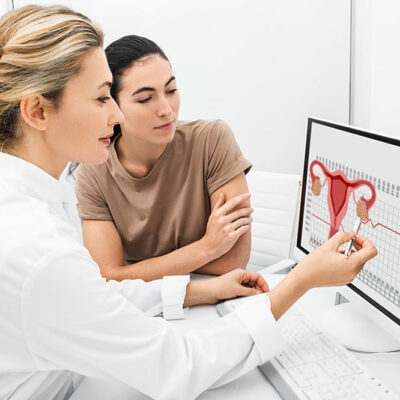
5 uncomfortable questions to ask a gynecologist
health

5 uncomfortable questions to ask a gynecologist

Visiting the gynecologist once a year is important. However, you may feel nervous about scheduling an appointment, with concerns like the need for grooming before a checkup and discomfort you may experience during the examination. Additionally, being on your period can make you put off the visit. This embarrassment can also keep you from asking important questions during your visit. But here are a few seemingly uncomfortable questions you can ask your doctor: Should I be worried about bumps down there? Bumps in intimate areas may not always be a cause for concern. There are numerous reasons for the vaginal area can develop acne or bumps, including shaving. Other reasons could be sebaceous cysts, skin tags, or gentle warts. You do not have to be embarrassed to ask your gynecologist about such skin issues, especially if you experience any pain or changes in the color or size of the bump. Is my vaginal discharge concerning? Vaginal discharge is part of normal reproductive health. However, if the discharge causes discomfort like itching or pain, you should speak to your OB/GYN about it. A cottage cheese-like discharge could be an indication of a yeast infection, while greying vaginal discharge with a raw egg-like odor can be a sign of bacterial vaginosis.

4 unusual questions to ask an oncologist
health

4 unusual questions to ask an oncologist

If you’ve been diagnosed with cancer and undergoing treatments, it can be an overwhelming experience. It takes a toll on your physical and mental health. Sometimes there can be concerns about health that you may not have an answer to, and you may feel embarrassed talking to an oncologist. However, there is nothing wrong with asking those questions. Here are some of those embarrassing questions that you can ask an oncologist. Does cancer treatment affect bowel control? Some side effects of cancer treatments like surgery or radiation therapy can involve some bladder and bowel complications. This includes symptoms like constipation, diarrhea, or even urinary incontinence. It is important to understand the extent of these side effects and prepare yourself to prevent any shocks. Does chemotherapy or radiation affect sex life? Studies have suggested that going through long phases of chemotherapy or radiation can possibly cause sexual dysfunction in some people. This can mean side effects like erectile dysfunction, vaginal dryness, and also decreased libido. Usually, the side effects are temporary and last till the treatment process. However, sometimes, there may also be long-term side effects. This may also depend on the dosage of the treatment and the duration of it.
Lifestyle factors that may affect one’s menstrual cycle
health

Lifestyle factors that may affect one’s menstrual cycle

There can be minor variations in a woman’s menstrual cycles. While the average cycle lasts 28 days, it can, at times, occur after every 24 to 31 days. When a woman’s cycle unexpectedly falls outside of the usual range, she may be experiencing irregular periods. A disrupted menstrual cycle can lead to excruciatingly painful symptoms. A number of factors can be responsible for this, some of which are listed below. The reasons for irregular menstrual cycles The following are the primary causes for skipped or irregular menstrual cycles. An unhealthy meal plan The thyroid and adrenal glands are affected due to a meal plan that’s high in stimulants but lacking minerals, antioxidants, and probiotic foods. For instance, a meal plan high in sugar, hydrogenated fats, and chemical additives has been related to thyroid problems and adrenal exhaustion, which can cause cortisol to rise. This could lead to a longer cycle and anovulation. If cortisol remains high for an extended time, periods can become irregular or even less frequent. To avoid this, make sure to eat foods that are nutrient-dense and contain enough protein. Low BMI A low body mass index (BMI) of below 18 or 19 may lead to irregular periods.
Common causes and symptoms of tinnitus
health

Common causes and symptoms of tinnitus

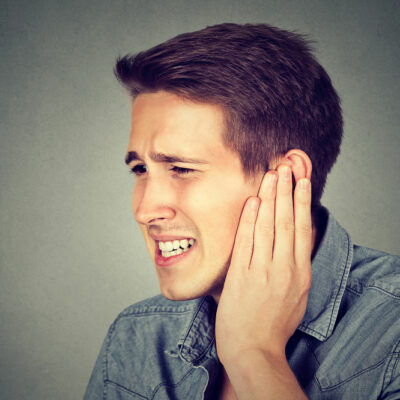
Tinnitus is a widespread illness that affects millions of people globally. It can be identified if a person can hear in their brain or ears but not from an external source. Noises akin to ringing, buzzing, humming, and hissing are the hallmarks of tinnitus. While tinnitus is not a disease in and of itself, it can be a symptom of other conditions such as hearing loss, ear or head trauma, or circulatory issues. Common causes of tinnitus Given that the illness can have a variety of causes, it may occasionally be challenging to determine the exact underlying cause of tinnitus. Some of the most frequent tinnitus causes are listed below: Loud noise exposure Loud noise exposure, whether from a single incidence or recurrent exposure, can damage the hair cells in the inner ear and result in tinnitus. Hearing loss as people age Tinnitus and hearing loss are brought on by harmed or dying inner ear hair cells. Earwax buildup Blocking sound waves in the ear canal when earwax builds up might result in tinnitus. Pharmaceuticals Some anti-inflammatory prescription treatments can cause tinnitus as a side effect. Medical issues Conditions like Meniere’s disease, high blood pressure, and temporomandibular joint abnormalities (TMJ) can cause tinnitus.
4 worst foods for teeth
health

4 worst foods for teeth

The foods we eat play a significant role not just in maintaining our physical health but also our oral health. There are several foods that act as natural mouth cleansers, while others are a big no no for oral health. These are foods that can cause tooth decay, leading to cavities and other such issues. It is important to know which foods to avoid to eliminate the risk of tooth decay. Bread This is a staple in a lot of cuisines. While bread tastes delicious, it is also something that affects teeth health. As it turns into a chewy substance inside the mouth, the bread crumbs can easily get attached to the crevices in the teeth. This can lead to build up and potential tooth complications. Carbonated drinks Drinking carbonated sugary drinks is never a good idea. The bacteria in the mouth feed on the high amount of sugar present in them. This can result in tooth decay and other oral hygiene issues. Drinking too much soda coats the teeth in acid, which affects the tooth enamel, leading to its decay. Carbonated drinks also causes your mouth to dry. This leads to lower saliva levels, which could result in tooth decay.
4 common skincare myths debunked
health

4 common skincare myths debunked

Skincare can be a complex routine for some people, especially those who are not very well-versed with their skin types and are constantly experimenting with products. If you are dealing with some skin issues like acne or pimples, speak to a dermatologist who can give proper advice. Also, do your research before going to the doctor and be aware of certain myths that can complicate your skincare journey. Here are a few common skincare myths: Avoid facial oils for oily skin This is a common myth among people, especially those who have oily skin. If you are someone with this skin type, know that oil massages can greatly benefit your skin, as they help in keeping the barrier function healthy and balanced. All you have to do is speak to your dermatologist and understand what type of oil is best for your skin and the issues you are dealing with. Skincare that burns is skincare that is effective In a lot of skincare products, there are some active ingredients present. These active ingredients can be responsible for the tingly sensation you feel after application. This means that there is a chemical reaction that is helping to take care of your skin issues.
5 harmful effects of smartphones
health

5 harmful effects of smartphones

Using a smartphone has multiple benefits, including enjoying content, playing games, and carrying out financial transactions. The device is also useful for work-based tasks, such as answering calls and sending texts and emails in seconds. But on the flip side, using a smart device may have several adverse effects on our health, such as affecting our sleep and eye health. Here are five such complications that may occur due to excessive smartphone use. Circadian rhythm instability Circadian rhythms are physical, mental, and behavioral changes that follow a 24-hour cycle. The natural processes respond to light and dark. For example, a normal circadian rhythm involves staying awake during the day and sleeping at night. However, when we use a smartphone at night, our eyes are exposed to blue light emitted from the screen. Such light could affect the internal body clock and disrupt an individual’s circadian rhythm. Difficulty sleeping Studies have shown that exposure to blue light could suppress melatonin and affect one’s sleep-wake cycle. And this could result in insomnia, irritability, and tiredness during the day. Even viewing something entertaining on a smartphone before going to bed could trigger a response that prevents one from falling asleep. The use of the device may also delay REM sleep.
Tips to maintain eye health and posture while using devices
health

Tips to maintain eye health and posture while using devices

Being aware of your posture while reading is an important aspect. You should be aware of certain things while reading a book or working on your laptop as continuously doing such tasks can affect your eye health. Working on gadgets constantly can have some side effects like text neck, stiff shoulder muscles, and headaches. To prevent any vision issues, here are some things to keep in mind while using devices. Sitting straight up Bending your neck or your back while reading a book, scrolling through your phone, or working on a laptop is a common problem. Especially if you have a desk job that requires you to be working on a computer most part of the day. This can mean slouching down and risking bad posture. You should take appropriate breaks while working to do some mild shoulder and back exercises that can keep the muscles relaxed and stress free. Remind yourself frequently to sit upright and fix your posture. While reading a book, it is recommended that you hold it at a 60-degree angle and 15 inches away from the eyes. Limiting screen time This is important while working on your laptop. Most smartphones today have a feature that shows your average screen time.
5 common Botox mistakes to avoid for best results
health

5 common Botox mistakes to avoid for best results

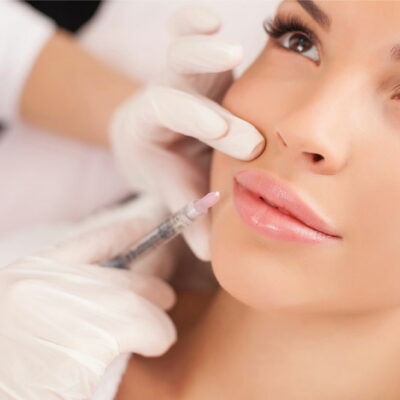
These days, receiving a Botox treatment is easy due to its widespread popularity. It is a quick and pain-free treatment that a dermatologist can administer. Moreover, Botox has several skin and health benefits, such as reducing wrinkles, treating chronic migraines, reducing excessive sweating, and addressing neck spasms. However, one must avoid certain common mistakes before, during, or after the procedure to utilize this treatment’s benefits fully. Some common Botox mistakes to avoid are listed below. Getting a massage after the procedure Getting a massage after undergoing Botox treatment can be harmful. A massage causes the components of Botox to spread to other areas of the skin and unintentionally affects those muscles and tissues. Therefore, undergoing a massage right after Botox can have several undesirable results, such as unwanted stretching or loosening of skin in specific areas. To avoid such issues, it is advised to get a massage at least a week to 10 days after receiving Botox treatment. Exercising on the day of treatment The skin retains an element of sensitivity after Botox. Therefore, health experts advise people undergoing this procedure to avoid exercising for at least three to four hours after the treatment. Exercising involves wear and tear of the skin tissues and muscles.
8 warning signs of poor blood circulation
health

8 warning signs of poor blood circulation

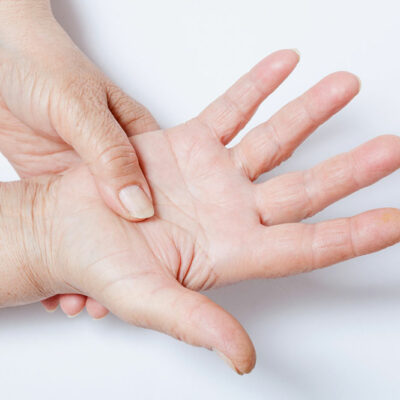
Good overall health indicates the presence of a proper lifestyle and the right food choices. Among other things, it also points to proper blood circulation. Poor blood circulation can lead to improper functioning of the organs and body systems. The condition can be caused by damaged or restricted blood vessels and plagued arteries, among other factors. Thus, it is crucial for one to be aware of the various symptoms of poor blood circulation. Cramping The painful cramping of muscles, even after minimal or a regular amount of activity, can be a sign of poor blood supply. The symptom is generally resolved after getting some rest. Numbness and tingling The feeling of numbness or tingling generally occurs in the body’s extremities. This is a sign and a result of poor blood flow to the limbs. If the sensation is chronic, it may also be caused by some underlying condition. Exhaustion and feeling cold A proper blood supply gives the body the energy to carry out organ functions, system activities, etc. It also fuels the maintenance of optimum temperature levels along with energy. If the blood supply to the body is compromised, it may lead to one feeling cold, lethargic, and fatigued.

Top Articles

Symptoms, causes, and risks of peptic ulcer
health

Symptoms, causes, and risks of peptic ulcer

Peptic ulcer affects about 4.6 million Americans every year. Peptic ulcer results in open sores forming on the upper portion of the small intestine and the inside lining of the stomach. The first one is known as the duodenal ulcer, and the second type is known as a gastric ulcer. Read on to know more about its symptoms, causes, and risks associated with this condition. Symptoms of peptic ulcer If you feel a burning pain in the stomach, then it can be a sign of peptic ulcers, as it is the most common symptom of the disease. The pain can get worse at night or between meals. The acid in your stomach makes it worse. Other than the pain, some other common symptoms of peptic ulcers include feeling bloated or full, intolerance to fatty food, nausea, and heartburn. Apart from these, the other signs may include: Vomiting with the presence of blood Presence of dark blood in the stool Trouble in breathing Feeling faint Nausea Sudden weight loss Change in appetite Taking acid blockers can relieve the pain temporarily. If it keeps coming back, you need to contact your doctor. Causes of peptic ulcer Stomach conditions may have a variety of causes, which is true for peptic ulcers too.
Heart disease – Symptoms, causes, and risk factors
health

Heart disease – Symptoms, causes, and risk factors

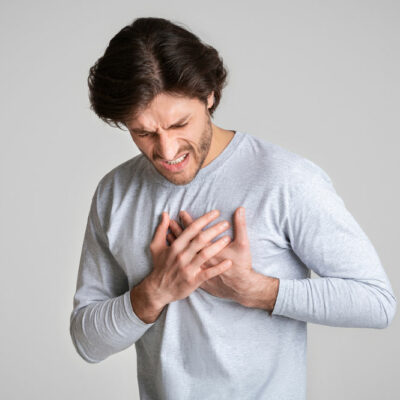
Several diseases are included under the umbrella term of heart diseases and are also called cardiovascular diseases. They lead to the blood vessels becoming narrow or getting blocked, which, in turn, can result in a heart attack or stroke or cause pain in the chest. Other heart conditions affect the heart’s muscle, rhythm, or valve. Symptoms The symptoms vary according to the condition diagnosed. The symptoms of common cardiovascular diseases are discussed below. Symptoms of atherosclerotic disease Pain in the chest or feeling a sense of tightness or discomfort in the area Shortness of breath Limbs feeling numb or severely cold if the blood vessels have narrowed in the area, as it affects blood circulation Pain in the jaw, back, upper abdomen, or neck Symptoms of abnormality in the heartbeat or arrhythmia Fluttering sensation in the chest Racing or slow heartbeat Discomfort or pain in the chest Feeling dizzy or fainting Light-headedness Symptoms of heart defects or related conditions Skin color turning blue or pale gray Abdominal swelling or swelling in the area surrounding the eyes Shortness of breath while feedings in case of an infant Symptoms of dilated cardiomyopathy Breathlessness Swelling in the legs, feet, and ankles Feeling a sense of fatigue and dizziness Irregular heartbeat Symptoms related to heart infections Fever Shortness of breath Feeling weak Change in the heart rhythm Persistent cough Skin rashes Causes The causes vary depending on the type of heart disease one is affected with.
Symptoms, causes, and risk factors of immune system disorder
health

Symptoms, causes, and risk factors of immune system disorder

The immune system is referred to as the defense system that protects the body against different kinds of diseases. The stronger the immune system, the higher will be the chances of the body staying away from diseases. Suffering from immunodeficiency or immune system disorder is a cause of concern and must be immediately addressed. Symptoms Cold hands If the blood vessels suffer from inflammation, it gets difficult for the ears, toes, fingers, and nose to stay warm. The affected portion of the skin turns white. Slowly, the color changes into blue when these areas are further exposed to some cold object or atmosphere. When the flow of the blood becomes normal, the skin turns back to red. Medical experts refer to this as the Raynaud’s phenomenon. It is one of the most commonly observed symptoms of immune system disorder. Dry eyes When a person is suffering from an autoimmune disorder, his immune system, instead of protecting his body against diseases, attacks it. Lupus and rheumatoid arthritis are two of the most common examples of this condition. People who suffer from an autoimmune disorder tend to have dry eyes. The person will feel the presence of some grainy object when this happens.
Common joint conditions and their symptoms and risk factors
health

Common joint conditions and their symptoms and risk factors

Joint conditions are commonly associated with increasing age, but they can also be a result of injuries or may develop due to other medical conditions affecting bone and joint health. Arthritis, a commonly diagnosed joint condition, has over 200 types. Depending on the severity of the disease, these conditions can also affect a patient’s quality of life. Read on to know the symptoms, causes, and factors that increase one’s risk of developing joint conditions. Symptoms of joint conditions The following are some of the symptoms that most joint conditions are accompanied by: Joint stiffness Weakness in the joints Inflammation, swelling, and redness of the affected joint Limping due to pain and stiffness Joint getting locked Tearing of the cartilage Commonly-diagnosed joint conditions and their causes Osteoarthritis This form of arthritis involves the wear-and-tear of the joint’s cartilage, which means the risk of developing this disease elevates with age. The cartilage plays the role of a cushion between the bones in order to prevent friction that can cause damage. Damaged cartilage due to this condition results in the bones losing their protection and clashing, causing pain and restricting movement and flexibility. This usually occurs gradually, but it can also develop suddenly in the case of an infection or injury.
All you need to know about menopause
health

All you need to know about menopause

Menopause marks the end of a woman’s menstrual cycles. It is typically diagnosed after a year of no menstrual periods, but it begins much before that. Menopause occurs in your forties and even fifties, but the average age when it occurs in the US is 51. While it is a natural and biological process, the physical symptoms and the hot flashes may cause disruptions in your sleep and even affect your emotional health in general. There are plenty of treatments available. But, to get started, you need to know what the condition looks and feels like. Here are the symptoms, causes, and complications related to menopause. Symptoms of menopause In the time leading up to menopause, you may experience some common symptoms such as irregularity in periods, dryness in the vagina, as well as hot flashes. Some people also experience chills, sleep problems, mood swings, and night sweats. Weight gain and slowed metabolism are two other symptoms that commonly occur with menopause. Menopausal women may even experience dry skin and thinning hair on a regular basis. However, this is not to say that all women experience these symptoms. Different women go through different issues. Depending on your health in general, you may experience varying levels of symptoms.
Mental health conditions – What you should know
health

Mental health conditions – What you should know

Millions of people live with different types of mental illnesses and health problems. These include obsessive-compulsive disorder, social anxiety, and personality disorders. All of these come under the umbrella of mental health. In this article, we will cover the symptoms, causes, and risk factors of some common mental health disorders such as obsessive-compulsive disorder (OCD), post-traumatic stress disorder (PTSD), and clinical depression to help you understand them better. Symptoms The common symptoms of mental health disorders include: Obsessive-compulsive disorder People with OCD may present the following symptoms: Constant fear of contamination and extra emphasis on cleanliness Signs of hoarding and counting belongings continuously Signs of excessive concern toward personal safety Post-traumatic stress disorder Somebody suffering from PTSD may show the following symptoms: Constantly suffering through intrusive memories Negative patterns in mood and mindset Trying to avoid thinking of the traumatic event Feeling changes in emotional and physical reactions Clinical depression The symptoms of clinical depression include: Being moody and experiencing different emotions, such as aggressiveness, anxiousness, and restlessness Adverse effect on sexual life A decline of cognitive abilities Poor sleep patterns If you notice any of these symptoms, we recommend consulting with a mental health doctor immediately. Causes The common causes of any mental health disorder include the following: