4 questions one should ask a gastroenterologist
health

4 questions one should ask a gastroenterologist

Gastroenterologists are physicians who specialize in diagnosing and treating digestive tract disorders. This can include problems ranging from the passage of gas, celiac disease, and irritable bowel syndrome to even colon cancer, and more. While asking them certain questions can be embarrassing, one must not shy away from them. Instead, one must enquire about the issues to receive more information. Keep reading to know more about these questions and why they must be asked. Is passing a lot of gas an issue? Usually, one may release gas in the form of burps or even farts, but most people do not know that this gas forms due to many reasons. While the passage of gas is completely natural, sometimes when it builds up, it can lead to bloating and abdominal pain. This often occurs when the patient regularly eats fatty foods, has an increased level of stress, eats too quickly, or has irritable bowel syndrome. In such cases, gastroenterologists may provide a diagnosis of the underlying issue and develop a treatment plan. How do I know if my stool is normal? Typically, stool can be of different colors, shapes, and sizes. It must be log-like and have cracks on its surface.

Top 7 foods that help relieve migraines
health

Top 7 foods that help relieve migraines

Migraine, marked by a severe headache and throbbing pain, is a common phenomenon that affects many people. There are several reasons for it, including sensory stimuli, stress, weather changes, hormonal changes, and other underlying health conditions. When the neural activity becomes overactive, it gets more sensitive and causes migraine. To avoid this, it is important to make changes to one’s food regime. Adding certain foods discussed below to one’s daily meals can help relieve migraines. Leafy greens like spinach and kale Spinach and kale are both leafy greens that contain magnesium, which has shown to prevent neurons from becoming hypersensitive. This, in turn, helps keep migraines at bay. Kale is also rich in fiber, but one may require some time to get used to its strong taste. These versatile foods can be blended into soups, salads, pastas, as well as chips. Scrambled eggs Eggs are a nutrient powerhouse that also provide migraine-fighting benefits of magnesium along with other additional nutrients including protein, essential vitamins, and zinc. They are also incredibly easy to make and an affordable option to include in one’s daily food regime. Almonds Almonds are one of the best foods for migraines as they contain magnesium and essential fats and fiber, which can also bring overall health benefits to individuals.
6 hypertension symptoms that require immediate attention
health

6 hypertension symptoms that require immediate attention

Hypertension occurs when one’s blood pressure rises to higher than normal levels. The pressure of blood fluctuates throughout the day based on the activities one indulges in. But when one develops hypertension, they risk suffering from severe health complications like a heart attack, stroke, and even heart disease. Therefore, it is important to learn about the symptoms of high blood pressure so that one may seek treatment at the earliest. Severe headaches A spike in blood pressure may trigger unbearable headaches. Severe headaches might also be accompanied by other symptoms like perspiration, anxiety, confusion, and palpitations. Atrial fibrillation Hypertension may cause the heart to push excessive blood to different organs of the body, including the brain. However, too much force may damage the arteries and cause them to weaken. A weakened artery may become blocked by a clot or plaque buildup, which could increase the risk of atrial fibrillation — an irregular heart rhythm that could lead to blood clots in the heart, and put one at risk of stroke. Breathing difficulties High blood pressure may result in the lack of oxygenated blood moving from the heart to the lungs through the pulmonary arteries. Therefore, an individual may develop pulmonary hypertension and suffer from symptoms like shortness of breath and pain in the chest.
5 common mistakes to avoid while buying medical insurance
health

5 common mistakes to avoid while buying medical insurance

Medical insurance is a crucial investment as it offers individuals and their families financial security and peace of mind. But sadly, many people do not research well and buy a policy in a hurry. As a result, they make several mistakes, which lead to inadequate coverage, denied claims, and unexpected expenses. This article highlights the common mistakes to avoid while buying medical insurance that could prevent you from enjoying its benefits. Failing to understand your healthcare needs A significant mistake people make is not fully understanding their healthcare needs before purchasing insurance. Experts recommend you take the time to assess each family member’s health situation, any ongoing therapies or treatments, frequency of doctor visits, and specialist consultations, and buy a suitable package that covers these costs. Not researching the available options The medical insurance market is vast, with hundreds of plans from different providers. Not researching your options can lead to missed opportunities for better coverage at lower costs. So, take the time to compare plans from different providers, review the coverage details, and evaluate the company’s network of healthcare providers, deductibles, copayments, and premiums. Buying insufficient coverage You may have to bear the burden of expensive medical bills if you neglect the policy’s coverage specifications.
7 unhealthy habits that damage teeth
health

7 unhealthy habits that damage teeth

Maintaining a healthy smile goes beyond just regular brushing and flossing. One may follow several habits without realizing the potential harm they can cause to one’s teeth. From seemingly harmless activities to daily routines, these habits can lead to tooth decay, gum disease, and other dental problems. Here are some common but often overlooked habits that harm oral health. One must avoid them to extend the longevity of their pearly whites. Poor oral hygiene Neglecting proper oral hygiene practices, such as inconsistent brushing and skipping flossing, can pave the way for plaque buildup. This buildup contributes to tooth decay, cavities, and gum disease, which can lead to more serious dental issues if left untreated. Using teeth as a tool Using one’s teeth to open bottles, tear packages, or crack nuts might seem convenient, but it’s a recipe for disaster. This habit can cause chips or cracks in one’s teeth or lead to gum bleeding. So it’s advisable to use one’s teeth only for chewing food and not as substitutes for scissors or bottle openers. Nail biting Nail biting affects one’s nails and takes a toll on one’s teeth. This habit exerts pressure on one’s teeth and jaw, potentially causing misalignment and damaging tooth enamel.
5 signs that may indicate anemia
health

5 signs that may indicate anemia

Anemia is a condition where there are not sufficient healthy red blood cells or hemoglobin to transport oxygen to the body’s tissues. There are various causes of this blood deficiency and also risk factors that could worsen its condition. And while there are treatment options for anemia, it is important to diagnose the complication early to reduce its effects. Here are six common warning signs that are potential indicators of anemia. Breathing difficulties Someone who develops anemia may suffer from breathing difficulties. The irregularity may result from the lungs trying to overcompensate to carry more oxygen. Even a little exertion may lead to symptoms like shortness of breath. Palpitations The lack of oxygen in the blood could lead to one experiencing palpitations and feeling anxious simultaneously. An irregular heartbeat is unhealthy as the heart needs to work extra hard to compensate for the lack of oxygen, which could also result in pain in the chest. In severe cases, it could lead to an enlarged heart or failure. Therefore, these signs must be discussed with an expert immediately. Cold hands and feet Feeling cold in the feet and hands is usual in cooler temperatures. However, if someone develops these signs out of the ordinary, it could be an indicator of poor blood circulation caused by anemia.
6 healthy snacks to lower cholesterol levels
health

6 healthy snacks to lower cholesterol levels

If one has high cholesterol levels, they may have to monitor their meal plans. Neglecting what they eat may have adverse effects on their health and increase the risk of stroke and heart disease. While certain foods can help reduce cholesterol levels, eating the same thing regularly could get boring. So, here are six healthy snack ideas to diversify meals and control the levels of cholesterol – the waxy, fat-like substance made by the liver. Almonds These nuts are rich in monounsaturated fats, which may fight against the effects of high cholesterol levels in the blood. It is suggested to have about one-quarter cup of almonds throughout the day. Other healthy sources of nuts to add to meals include walnut halves and hazelnuts. Popcorn The snack choice that most people enjoy during a movie is also beneficial for those with high cholesterol. The fiber content of the food contributes to lowering the waxy buildup in the blood. However, one should avoid adding flavors like butter and salt to popcorn as these may worsen cholesterol levels. Greek yogurt dip The snack is higher in proteins when compared to plain yogurt and is also low in sugar. So, Greek yogurt dip could make a suitable addition to heart-healthy foods.
7 signs of a weakened immune system
health

7 signs of a weakened immune system

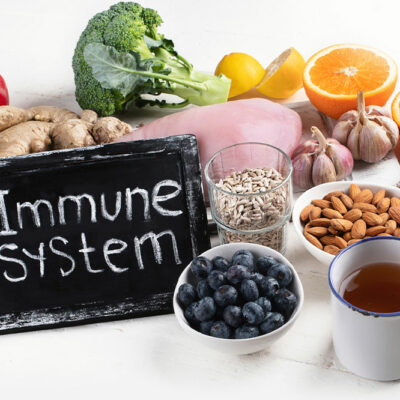
The immune system acts as the body’s defense against bacteria, viruses, and other infections. Apart from this, its main tasks are to recognize and neutralize harmful substances from the environment and fight any abnormal cell formation in the body, such as cancer. The immune system also makes antibodies against germs it has previously come in contact with to keep one healthy. Here are some signs of a weak immune system: Extremely high-stress levels Reports by the American Psychological Association suggest that long-term stress has been linked to reduced immunity levels. This is because stress affects the lymphocytes (white blood cells) in the body, making one more vulnerable to viruses and infections. Constant colds As an adult, it is normal to contract two to three colds per year. These may last for 7-10 days. However, when one experiences a cold that just won’t go away, it may be a sign that they are immuno-compromised or have a weakened immune system. Stomach problems Frequently occurring gas, diarrhea, or constipation could also be a sign of a weakened immune system. According to certain research, approximately 70 percent of the immune system is located around the digestive tract. When this is compromised, it makes one more susceptible to inflammation and diseases.
4 bad habits that can cause muscle cramps
health

4 bad habits that can cause muscle cramps

Muscle cramps are sudden, involuntary spasms or contractions in one or more muscles. Although they last only a few seconds or minutes, the accompanying pain can be torturous to bear. The cramps can result from various factors, including poor lifestyle habits many people unknowingly indulge in on a daily basis. Here, we have listed a few common bad habits to avoid as far as possible to prevent painful muscle cramping. Not drinking enough water Not drinking enough water, especially during summer, can be problematic. Heat causes the body to lose a lot of fluid content through perspiration. To make up for that, one should consume at least three to four liters of water daily, if not more. Not doing so can cause dehydration, which reduces a person’s blood volume. A reduced blood volume, in turn, leads to lesser blood, oxygen, and nutrients flowing to the organs and muscles, resulting in muscle cramps. Dehydration primarily causes cramping in the stomach due to the digestive system’s massive fluid requirements. Not consuming enough electrolytes A lack of electrolytes in the body is another major cause of muscle cramping. Certain minerals like magnesium and calcium have electrolytic properties that perform essential functions. For instance, they help maintain electrical neutrality in cells and support muscle and nerve health.
4 essential questions to ask a pulmonologist
health

4 essential questions to ask a pulmonologist

Statistical evidence suggests that over 34 million people nationwide are grappling with a chronic lung condition, such as asthma or chronic obstructive pulmonary disease (COPD). Such alarming statistical figures suggest that lung disorders are rampant in the country. A pulmonologist plays a crucial role in administering the required treatments and helping individuals manage symptoms of their lung diseases. While consulting a pulmonologist, it is essential to ask certain key questions to know better about one’s condition: What is my diagnosis and prognosis? It is essential to differentiate between diagnosis and prognosis and understand these aspects while addressing a lung issue. Diagnosis refers to the nature of the health condition, while prognosis refers to the course it is likely to take. While the former is based on one’s symptoms, the latter varies among individuals diagnosed with the same condition and may be based on various factors, such as age and comorbidities. It helps to consult a pulmonologist about one’s diagnosis and prognosis to understand what condition one is grappling with, any unusual symptoms one is likely to experience, etc. What is the cause of my symptoms? Understanding the underlying cause of a health condition can help one address the issue at its root.

Top Articles

Symptoms, causes, and risks of peptic ulcer
health

Symptoms, causes, and risks of peptic ulcer

Peptic ulcer affects about 4.6 million Americans every year. Peptic ulcer results in open sores forming on the upper portion of the small intestine and the inside lining of the stomach. The first one is known as the duodenal ulcer, and the second type is known as a gastric ulcer. Read on to know more about its symptoms, causes, and risks associated with this condition. Symptoms of peptic ulcer If you feel a burning pain in the stomach, then it can be a sign of peptic ulcers, as it is the most common symptom of the disease. The pain can get worse at night or between meals. The acid in your stomach makes it worse. Other than the pain, some other common symptoms of peptic ulcers include feeling bloated or full, intolerance to fatty food, nausea, and heartburn. Apart from these, the other signs may include: Vomiting with the presence of blood Presence of dark blood in the stool Trouble in breathing Feeling faint Nausea Sudden weight loss Change in appetite Taking acid blockers can relieve the pain temporarily. If it keeps coming back, you need to contact your doctor. Causes of peptic ulcer Stomach conditions may have a variety of causes, which is true for peptic ulcers too.
Heart disease – Symptoms, causes, and risk factors
health

Heart disease – Symptoms, causes, and risk factors

Several diseases are included under the umbrella term of heart diseases and are also called cardiovascular diseases. They lead to the blood vessels becoming narrow or getting blocked, which, in turn, can result in a heart attack or stroke or cause pain in the chest. Other heart conditions affect the heart’s muscle, rhythm, or valve. Symptoms The symptoms vary according to the condition diagnosed. The symptoms of common cardiovascular diseases are discussed below. Symptoms of atherosclerotic disease Pain in the chest or feeling a sense of tightness or discomfort in the area Shortness of breath Limbs feeling numb or severely cold if the blood vessels have narrowed in the area, as it affects blood circulation Pain in the jaw, back, upper abdomen, or neck Symptoms of abnormality in the heartbeat or arrhythmia Fluttering sensation in the chest Racing or slow heartbeat Discomfort or pain in the chest Feeling dizzy or fainting Light-headedness Symptoms of heart defects or related conditions Skin color turning blue or pale gray Abdominal swelling or swelling in the area surrounding the eyes Shortness of breath while feedings in case of an infant Symptoms of dilated cardiomyopathy Breathlessness Swelling in the legs, feet, and ankles Feeling a sense of fatigue and dizziness Irregular heartbeat Symptoms related to heart infections Fever Shortness of breath Feeling weak Change in the heart rhythm Persistent cough Skin rashes Causes The causes vary depending on the type of heart disease one is affected with.
Symptoms, causes, and risk factors of immune system disorder
health

Symptoms, causes, and risk factors of immune system disorder

The immune system is referred to as the defense system that protects the body against different kinds of diseases. The stronger the immune system, the higher will be the chances of the body staying away from diseases. Suffering from immunodeficiency or immune system disorder is a cause of concern and must be immediately addressed. Symptoms Cold hands If the blood vessels suffer from inflammation, it gets difficult for the ears, toes, fingers, and nose to stay warm. The affected portion of the skin turns white. Slowly, the color changes into blue when these areas are further exposed to some cold object or atmosphere. When the flow of the blood becomes normal, the skin turns back to red. Medical experts refer to this as the Raynaud’s phenomenon. It is one of the most commonly observed symptoms of immune system disorder. Dry eyes When a person is suffering from an autoimmune disorder, his immune system, instead of protecting his body against diseases, attacks it. Lupus and rheumatoid arthritis are two of the most common examples of this condition. People who suffer from an autoimmune disorder tend to have dry eyes. The person will feel the presence of some grainy object when this happens.
Common joint conditions and their symptoms and risk factors
health

Common joint conditions and their symptoms and risk factors

Joint conditions are commonly associated with increasing age, but they can also be a result of injuries or may develop due to other medical conditions affecting bone and joint health. Arthritis, a commonly diagnosed joint condition, has over 200 types. Depending on the severity of the disease, these conditions can also affect a patient’s quality of life. Read on to know the symptoms, causes, and factors that increase one’s risk of developing joint conditions. Symptoms of joint conditions The following are some of the symptoms that most joint conditions are accompanied by: Joint stiffness Weakness in the joints Inflammation, swelling, and redness of the affected joint Limping due to pain and stiffness Joint getting locked Tearing of the cartilage Commonly-diagnosed joint conditions and their causes Osteoarthritis This form of arthritis involves the wear-and-tear of the joint’s cartilage, which means the risk of developing this disease elevates with age. The cartilage plays the role of a cushion between the bones in order to prevent friction that can cause damage. Damaged cartilage due to this condition results in the bones losing their protection and clashing, causing pain and restricting movement and flexibility. This usually occurs gradually, but it can also develop suddenly in the case of an infection or injury.
All you need to know about menopause
health

All you need to know about menopause

Menopause marks the end of a woman’s menstrual cycles. It is typically diagnosed after a year of no menstrual periods, but it begins much before that. Menopause occurs in your forties and even fifties, but the average age when it occurs in the US is 51. While it is a natural and biological process, the physical symptoms and the hot flashes may cause disruptions in your sleep and even affect your emotional health in general. There are plenty of treatments available. But, to get started, you need to know what the condition looks and feels like. Here are the symptoms, causes, and complications related to menopause. Symptoms of menopause In the time leading up to menopause, you may experience some common symptoms such as irregularity in periods, dryness in the vagina, as well as hot flashes. Some people also experience chills, sleep problems, mood swings, and night sweats. Weight gain and slowed metabolism are two other symptoms that commonly occur with menopause. Menopausal women may even experience dry skin and thinning hair on a regular basis. However, this is not to say that all women experience these symptoms. Different women go through different issues. Depending on your health in general, you may experience varying levels of symptoms.
Mental health conditions – What you should know
health

Mental health conditions – What you should know

Millions of people live with different types of mental illnesses and health problems. These include obsessive-compulsive disorder, social anxiety, and personality disorders. All of these come under the umbrella of mental health. In this article, we will cover the symptoms, causes, and risk factors of some common mental health disorders such as obsessive-compulsive disorder (OCD), post-traumatic stress disorder (PTSD), and clinical depression to help you understand them better. Symptoms The common symptoms of mental health disorders include: Obsessive-compulsive disorder People with OCD may present the following symptoms: Constant fear of contamination and extra emphasis on cleanliness Signs of hoarding and counting belongings continuously Signs of excessive concern toward personal safety Post-traumatic stress disorder Somebody suffering from PTSD may show the following symptoms: Constantly suffering through intrusive memories Negative patterns in mood and mindset Trying to avoid thinking of the traumatic event Feeling changes in emotional and physical reactions Clinical depression The symptoms of clinical depression include: Being moody and experiencing different emotions, such as aggressiveness, anxiousness, and restlessness Adverse effect on sexual life A decline of cognitive abilities Poor sleep patterns If you notice any of these symptoms, we recommend consulting with a mental health doctor immediately. Causes The common causes of any mental health disorder include the following: