5 elimination meal plans to identify and curb food allergies
health

5 elimination meal plans to identify and curb food allergies

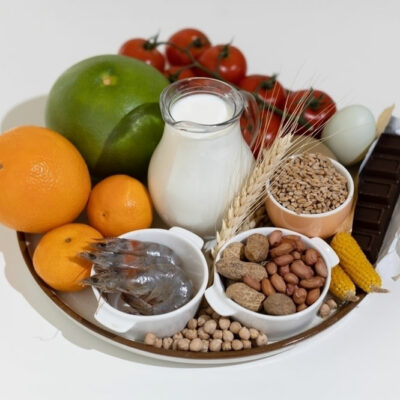
Some people suffer from food allergies very often because they don’t know how to identify their trigger foods. Here’s where an elimination meal plan can help. A food elimination meal plan enables individuals to assess if they’re sensitive to one or more ingredients in their everyday meals. It usually requires the patient to stop eating suspicious foods and then reintroduce them gradually. Here are five food elimination plans that might help identify food allergies. Basic elimination This meal plan requires individuals to eliminate gluten-based foods and dairy products from their nutrition regimen. The healthcare expert may tell the patient to reintroduce one or both of these if there’s no change during the exclusion phase. However, people with celiac disease may need to avoid these food items permanently to manage their allergies. Full elimination A complete elimination plan excludes shellfish, eggs, corn, soy, soy products, and tree nuts from meals. The foods are systematically reintroduced to the body to narrow down potential allergies. Besides allergies, the method may help diagnose food intolerance. Nightshade elimination Nightshade elimination requires patients to exclude foods from the nightshade family, including white potatoes, tomatoes, goji berries, paprika, eggplant, chili peppers, and bell peppers. While most of these foods offer multiple health benefits, someone intolerant to nightshade fruits and vegetables may suffer from food allergies.

3 warning signs of deep vein thrombosis
health

3 warning signs of deep vein thrombosis

Deep vein thrombosis (DVT) is a disorder that develops when a blood clot (thrombus) forms in one or more deep veins in the body, usually in the legs. People with the condition experience leg pain and swelling. Doctors may recommend prescription options, compression stockings, or surgery as treatment options. Although treatable, the disorder can lead to serious complications if it remains undetected. So, here are a few warning signs of DVT: Swelling Swelling, the most common warning sign of DVT, affects approximately 70% of patients. If the DVT develops in the thigh or calf, the swelling is limited to the area of the blood clot. However, if the clot develops in the pelvic region, both legs may have significant swelling. Leg pain About 50% of people with DVT experience leg pain. The pain can be moderate to severe and is independent of the size of the blood clot. The pain here, which may feel more like a cramp, is usually felt in the calf muscles or along the vein as it travels down the inner thigh. Changes in skin The skin around the affected area may appear red or discolored. Additionally, the region may feel warmer than the rest of the body.
6 foods that help relieve bunions
health

6 foods that help relieve bunions

A bunion is a bony bump at the intersection of the big toe and the foot. It usually develops when constant pressure is applied to the big toe, causing it to push against the second toe. Individuals with bunions experience intermittent pain in the affected area and restricted mobility of the big toe. Besides seeking treatment and practicing natural remedies, adding certain foods to the meal plan can help control bunion symptoms better. Garlic Garlic contains high levels of diallyl disulfide, an anti-inflammatory compound that helps alleviate the symptoms of joint and muscle inflammation. Using up to two cloves of garlic in meals every day may be highly beneficial in controlling bunion symptoms. Berries Berries like strawberries, raspberries, and blackberries are rich in anthocyanins, which help reduce inflammation. Consequently, they may relieve bunion symptoms. Patients may eat these fruits directly or add them to muesli, oatmeal, porridge, or fresh fruit juices and smoothies. Turmeric Curcumin in turmeric has potent anti-inflammatory properties, which help regulate bunion symptoms. Many studies also demonstrate the role of curcumin in reducing joint pain and promoting bone and joint health. Turmeric may be added to stir-fries, soups, and smoothies not only for health purposes but also for natural flavor enhancement.
3 ways to get rid of bunions without surgery
health

3 ways to get rid of bunions without surgery

Bunions or hallux valgus is a condition in which a bulge develops on the side of the foot along the joint of the big toe. This happens due to the wrong alignment of the bones and muscles surrounding the joint, leading to this bump. Bunions are very common and affect one in every third of individuals in the country; however, there are ways to handle pain without surgery. Here’s how. Hot and cold therapy This is a great way to manage the pain caused by bunions. These are natural treatments with no side effects and can easily be administered in the comfort of your home. Here’s what you need to know – when the bunions are swollen, you should apply cold therapy, like soaking your bunion in cold water to help reduce the inflammation. Cold therapy helps constrict the blood vessels, which is helpful. The cool water will also help relieve the foot, which has been irritated because of the bunion swelling. Heat therapies are helpful when the blood vessels don’t need constricting but need better blood flow and help relax the sore muscles and joints. Heat therapy should be applied if soreness and cramping are the pain symptoms in the bunion-affected area.
4 smoothies to keep common cold and flu at bay
health

4 smoothies to keep common cold and flu at bay

Smoothies are so much more than just refreshment drinks, with their long list of health benefits almost always overlooked. One can concoct delicious smoothies for uses as varied as keeping the immune system healthy or strengthening one’s bones. In the cold and flu season, certain smoothies can help prevent the onset if consumed regularly. And the best part? The smoothies listed here are incredibly easy to make with daily groceries. Green tea and pineapple smoothie The first anti-flu smoothie combines an unlikely pair of green tea and pineapple to optimize the consumer’s health during the winter when most people are down with a cold or fever. To make this, one has to blend two cups of freshly-cut peeled pineapple slices, a tablespoon of honey, a cup of crushed ice, a cup of green tea made using loose leaves, and a finely chopped half ginger. One can serve this smoothie after decorating it with several different garnish combinations. Cold buster green smoothie As its name suggests, this smoothie contains loads of leafy green vegetables. To make this drink, one needs to blend 2 cups of spinach, three baby carrots, a banana, half an orange after peeling it, a cup of orange juice, half an apple slice, half a cup of ice, and half a cup of frozen pineapple.
5 tips to manage the side effects of an IUD
health

5 tips to manage the side effects of an IUD

An intrauterine device (IUD) is an effective and practical method of contraception used by many women across the world. However, some may experience side effects like irregular bleeding, cramping, and hormonal fluctuations. Although these reactions are usually brief and temporary, they can cause discomfort and uneasiness. In this article, we’ll offer five tips to tackle IUD side effects. If a side effect lasts for an unusually long time, one should speak to a doctor immediately. Use heat therapy If one is experiencing intense cramping or backaches after inserting an IUD, they can try using a heating pad. Using heat can help relax and increase the blood flow to the muscles that contribute to cramping, thus reducing any painful sensation. Although this method can be comforting, one should avoid hot baths for 24-48 hours after insertion, as it may cause IUD expulsion. Give your body time to adjust Giving yourself some time allows your body to adjust and make changes for transitioning to a new method of contraception. It’s normal for the body to get used to a new method like an IUD. During this period, a woman may experience mild side effects like bleeding, cramping, or discomfort. Generally, the body can take roughly six to eight months to completely adjust to an IUD.
5 food elimination plans for allergies
health

5 food elimination plans for allergies

Food allergies are unpredictable and can have mild to severe symptoms, such as bumps, rashes, choking, or breathing difficulties. One approach to managing food allergies is through adopting an elimination meal plan. This plan involves temporarily removing certain foods from your regime to identify which ones are causing your symptoms. There are several types of food-elimination nutrition plans for allergies. This article will discuss the most common ones that are used by individuals. Food elimination nutrition plans for allergies Traditional elimination plan The traditional elimination meal plan involves removing common allergenic foods from your meals for a while, typically for two to four weeks. These foods often include dairy, soy, wheat, corn, eggs, peanuts, tree nuts, fish, and shellfish. After this period, one food is reintroduced, and any reactions are noted. Then, you repeat the same for other foods. The traditional elimination nutrition plan is typically used for people with conditions such as eosinophilic esophagitis (EoE), which is caused by an allergic reaction to certain foods. This condition may manifest as chest pain, heartburn, abdominal pain, vomiting, trouble swallowing, and stunted growth in children. Modified elimination plan The modified elimination plan is similar to the traditional one but more restrictive.
Blood clots – Signs and foods to eat
health

Blood clots – Signs and foods to eat

The human body has a complex network of veins and arteries that transport blood to different parts. It is a crucial function because blood contains oxygen and essential nutrients to keep a person healthy. Sometimes, clots can form in the veins and arteries, restricting blood flow and leading to severe complications. When this happens, doctors may recommend treatments, foods, and lifestyle changes to eliminate such clots and improve blood circulation. Signs of blood clots Identifying blood clots in time is vital to prevent the condition from worsening. Here are the signs to look out for: Swelling A swelling in the legs, arms, or other body parts that does not go away may be a sign of a blood clot. Pain or tenderness Pain or tenderness in the affected area may also be a warning sign. The pain may be localized or spread over a larger area. Warmth or redness Blood clots can cause warmth or redness in the affected area, which should not be ignored. Shortness of breath Blood clots in the lungs may cause shortness of breath, chest pain, and coughing. Dizziness or confusion Clots in the brain can cause dizziness, confusion, and difficulty speaking or understanding. Foods to manage blood clots Besides using the proper treatment, one may add the following foods to their meals to manage the condition after consulting a health expert:
10 signs indicating the need for dental implants
health

10 signs indicating the need for dental implants

One of the first things people notice in individuals is their smiles. However, the quality of one’s teeth can deteriorate due to multiple reasons. But, innovation in oral healthcare has helped one find solutions to almost every issue. For example, dental implants serve as a root for missing teeth, onto which orthodontists implant fixed or removable artificial teeth. Here are ten times dental implants become necessary and help one regain lost teeth function. Broken teeth One of the most obvious signs is broken teeth or chipping, which can ruin the overall appearance of one’s teeth and also affect confidence levels. Since teeth stop growing after a certain age, the broken tooth can be replaced only with artificial veneer. Tooth infection A bad infection can degrade the roots and gums, causing the tooth to fall out prematurely. Dental implants can be used to fill in this gap. Speech impairment Misaligned teeth cause speech impairment as it becomes difficult to enunciate certain words. Implants can fix this problem easily to overcome slurring, whistling, and improper pronunciation. Trouble chewing The upper and lower set of teeth work together to bite down on foods. However, misaligned and damaged teeth can affect this action. Here, dental implants can help align the teeth properly.
7 activities to help to strengthen the lungs
health

7 activities to help to strengthen the lungs

Your lungs play a crucial role in delivering oxygen to the rest of your body. Therefore, poor lung function can lead to several health problems, including respiratory illnesses and cardiovascular diseases. The good news is that health experts have compiled a list of seven activities that help strengthen the lungs. These don’t require a lot of time, energy, or money. So, read on to know the secret to healthy lungs! Exercise regularly Regular exercise is one of the best activities that help strengthen the lungs, for example; aerobics increase lung capacity and improve lung function. Staying active can be as simple as going for a walk or a bike ride. Eat healthily A healthy meal plan is essential for overall health, including lung health. A balanced meal rich in lean protein, fruits, and vegetables, provides essential nutrients that help improve lung function. Practice deep breathing Deep breathing exercises increase lung function and capacity by increasing oxygen intake. They also help to reduce strain and anxiety. Try breathing deeply from the diaphragm instead of shallow breathing from the chest. Keep the air inside your home clean Poor air quality inside your home can cause or worsen lung problems such as asthma and allergies.

Top Articles

Symptoms, causes, and risks of peptic ulcer
health

Symptoms, causes, and risks of peptic ulcer

Peptic ulcer affects about 4.6 million Americans every year. Peptic ulcer results in open sores forming on the upper portion of the small intestine and the inside lining of the stomach. The first one is known as the duodenal ulcer, and the second type is known as a gastric ulcer. Read on to know more about its symptoms, causes, and risks associated with this condition. Symptoms of peptic ulcer If you feel a burning pain in the stomach, then it can be a sign of peptic ulcers, as it is the most common symptom of the disease. The pain can get worse at night or between meals. The acid in your stomach makes it worse. Other than the pain, some other common symptoms of peptic ulcers include feeling bloated or full, intolerance to fatty food, nausea, and heartburn. Apart from these, the other signs may include: Vomiting with the presence of blood Presence of dark blood in the stool Trouble in breathing Feeling faint Nausea Sudden weight loss Change in appetite Taking acid blockers can relieve the pain temporarily. If it keeps coming back, you need to contact your doctor. Causes of peptic ulcer Stomach conditions may have a variety of causes, which is true for peptic ulcers too.
Heart disease – Symptoms, causes, and risk factors
health

Heart disease – Symptoms, causes, and risk factors

Several diseases are included under the umbrella term of heart diseases and are also called cardiovascular diseases. They lead to the blood vessels becoming narrow or getting blocked, which, in turn, can result in a heart attack or stroke or cause pain in the chest. Other heart conditions affect the heart’s muscle, rhythm, or valve. Symptoms The symptoms vary according to the condition diagnosed. The symptoms of common cardiovascular diseases are discussed below. Symptoms of atherosclerotic disease Pain in the chest or feeling a sense of tightness or discomfort in the area Shortness of breath Limbs feeling numb or severely cold if the blood vessels have narrowed in the area, as it affects blood circulation Pain in the jaw, back, upper abdomen, or neck Symptoms of abnormality in the heartbeat or arrhythmia Fluttering sensation in the chest Racing or slow heartbeat Discomfort or pain in the chest Feeling dizzy or fainting Light-headedness Symptoms of heart defects or related conditions Skin color turning blue or pale gray Abdominal swelling or swelling in the area surrounding the eyes Shortness of breath while feedings in case of an infant Symptoms of dilated cardiomyopathy Breathlessness Swelling in the legs, feet, and ankles Feeling a sense of fatigue and dizziness Irregular heartbeat Symptoms related to heart infections Fever Shortness of breath Feeling weak Change in the heart rhythm Persistent cough Skin rashes Causes The causes vary depending on the type of heart disease one is affected with.
Symptoms, causes, and risk factors of immune system disorder
health

Symptoms, causes, and risk factors of immune system disorder

The immune system is referred to as the defense system that protects the body against different kinds of diseases. The stronger the immune system, the higher will be the chances of the body staying away from diseases. Suffering from immunodeficiency or immune system disorder is a cause of concern and must be immediately addressed. Symptoms Cold hands If the blood vessels suffer from inflammation, it gets difficult for the ears, toes, fingers, and nose to stay warm. The affected portion of the skin turns white. Slowly, the color changes into blue when these areas are further exposed to some cold object or atmosphere. When the flow of the blood becomes normal, the skin turns back to red. Medical experts refer to this as the Raynaud’s phenomenon. It is one of the most commonly observed symptoms of immune system disorder. Dry eyes When a person is suffering from an autoimmune disorder, his immune system, instead of protecting his body against diseases, attacks it. Lupus and rheumatoid arthritis are two of the most common examples of this condition. People who suffer from an autoimmune disorder tend to have dry eyes. The person will feel the presence of some grainy object when this happens.
Common joint conditions and their symptoms and risk factors
health

Common joint conditions and their symptoms and risk factors

Joint conditions are commonly associated with increasing age, but they can also be a result of injuries or may develop due to other medical conditions affecting bone and joint health. Arthritis, a commonly diagnosed joint condition, has over 200 types. Depending on the severity of the disease, these conditions can also affect a patient’s quality of life. Read on to know the symptoms, causes, and factors that increase one’s risk of developing joint conditions. Symptoms of joint conditions The following are some of the symptoms that most joint conditions are accompanied by: Joint stiffness Weakness in the joints Inflammation, swelling, and redness of the affected joint Limping due to pain and stiffness Joint getting locked Tearing of the cartilage Commonly-diagnosed joint conditions and their causes Osteoarthritis This form of arthritis involves the wear-and-tear of the joint’s cartilage, which means the risk of developing this disease elevates with age. The cartilage plays the role of a cushion between the bones in order to prevent friction that can cause damage. Damaged cartilage due to this condition results in the bones losing their protection and clashing, causing pain and restricting movement and flexibility. This usually occurs gradually, but it can also develop suddenly in the case of an infection or injury.
All you need to know about menopause
health

All you need to know about menopause

Menopause marks the end of a woman’s menstrual cycles. It is typically diagnosed after a year of no menstrual periods, but it begins much before that. Menopause occurs in your forties and even fifties, but the average age when it occurs in the US is 51. While it is a natural and biological process, the physical symptoms and the hot flashes may cause disruptions in your sleep and even affect your emotional health in general. There are plenty of treatments available. But, to get started, you need to know what the condition looks and feels like. Here are the symptoms, causes, and complications related to menopause. Symptoms of menopause In the time leading up to menopause, you may experience some common symptoms such as irregularity in periods, dryness in the vagina, as well as hot flashes. Some people also experience chills, sleep problems, mood swings, and night sweats. Weight gain and slowed metabolism are two other symptoms that commonly occur with menopause. Menopausal women may even experience dry skin and thinning hair on a regular basis. However, this is not to say that all women experience these symptoms. Different women go through different issues. Depending on your health in general, you may experience varying levels of symptoms.
Mental health conditions – What you should know
health

Mental health conditions – What you should know

Millions of people live with different types of mental illnesses and health problems. These include obsessive-compulsive disorder, social anxiety, and personality disorders. All of these come under the umbrella of mental health. In this article, we will cover the symptoms, causes, and risk factors of some common mental health disorders such as obsessive-compulsive disorder (OCD), post-traumatic stress disorder (PTSD), and clinical depression to help you understand them better. Symptoms The common symptoms of mental health disorders include: Obsessive-compulsive disorder People with OCD may present the following symptoms: Constant fear of contamination and extra emphasis on cleanliness Signs of hoarding and counting belongings continuously Signs of excessive concern toward personal safety Post-traumatic stress disorder Somebody suffering from PTSD may show the following symptoms: Constantly suffering through intrusive memories Negative patterns in mood and mindset Trying to avoid thinking of the traumatic event Feeling changes in emotional and physical reactions Clinical depression The symptoms of clinical depression include: Being moody and experiencing different emotions, such as aggressiveness, anxiousness, and restlessness Adverse effect on sexual life A decline of cognitive abilities Poor sleep patterns If you notice any of these symptoms, we recommend consulting with a mental health doctor immediately. Causes The common causes of any mental health disorder include the following: