5 household items that may increase cancer risk
health

5 household items that may increase cancer risk

According to the American Cancer Society, cancer results from changes in the cell structure. Many products that people use daily have been linked to an increased risk of cancer. Some of these products are also on trial in court due to lawsuits. For instance, hair relaxers and straighteners are supposedly linked with uterine cancer. Therefore, here are five other household items one can avoid since they may silently damage one’s health. Air fresheners Most air fresheners, even those claiming to be natural or unscented, contain a known carcinogen called formaldehyde. Excessive exposure to formaldehyde has been linked to myeloid leukemia and other rare cancers. Formaldehyde is also found in other household products such as glues, paints, soaps, and hair dyes. As an alternative, one may opt for natural essential oils. Cleaning products Cleaning products like dish soaps, glass cleaners, disinfectants, and others contain alkylphenols, triclosan, and tetrachloroethylene, all linked to an increased risk of breast cancer. Always check the ingredient list when buying cleaning products and opt for those without carcinogens or other chemical irritants. Scented candles Frequent burning of scented candles in unventilated rooms could increase the risk of developing bladder cancer. Always opt for beeswax candles with a cotton wick, and ensure proper ventilation when lighting candles.

Top 7 benefits of electromagnetic field therapy
health

Top 7 benefits of electromagnetic field therapy

Electromagnetism forms the crux of several industries and devices, including cell phones and towers, radar, GPS, and radio waves. Healthcare also uses electromagnetic waves and fields, but most people may not know about their sheer depth and benefits in the field. An underrated application of electromagnetism in healthcare is the super-effective electromagnetic field therapy, a treatment alternative with several wide-ranging health benefits for individuals undergoing it. Here are some reasons to try electromagnetic field therapy: Improving cardiovascular health Electromagnetic field therapy boosts the production of nitric oxide in the body. This chemical compound is critical for the overall growth and development of cells and blood vessels in individuals. Nitric oxide calms down artery-related stress and, as a result, prevents abnormal blood clotting and coagulation. This dramatically improves blood circulation and, as a result, boosts the cardiovascular health of individuals. That, in itself, is one of the prime reasons to try electromagnetic field therapy. Improving sleep Several research studies and real-world applications have found that pulsing magnetic fields can stimulate melatonin production, a hormone that improves sleep and facilitates anti-aging in individuals. As a result, electromagnetic field therapy is directly linked with improved sleep cycles and more sustained rejuvenation in individuals.
6 exercises for better migraine management
health

6 exercises for better migraine management

Migraine is a neurological condition identified by recurrent episodes of moderate to severe headaches and differs from regular headaches. Symptoms like sensitivity to sound and light, vomiting, watery eyes, and nausea accompany migraine headaches. While multiple treatment options exist for migraines, there is no known cure. However, it is possible to manage the condition with the help of food and lifestyle changes. Multiple forms of exercise also help in better migraine management. Tai Chi This is a fluent form of martial arts that combines fluid movements and deep breathing and is an effective form of exercise to help with migraine pain. Since stress is a common migraine trigger, it can help patients manage their symptoms. It also effectively reduces blood pressure and improves the patient’s overall health. Pilates Pilates helps strengthen the core muscles, improves body posture, and promotes relaxation. In addition, it can help relax and decrease the frequency and intensity of migraines. This improvement in posture and muscle relaxation may contribute to reducing migraines. Strength training Muscle tension and poor posture can both contribute to the list of migraine triggers. Strength training exercises like resistance band training or weight lifting can help with both problems. Building a strong neck can also help reduce the likelihood of tension headaches by providing better support for the neck and shoulders.
6 foods that worsen EoE symptoms
health

6 foods that worsen EoE symptoms

Eosinophilic esophagitis (EoE) is a condition that causes inflammation in the esophagus. This chronic immune system disease is characterized by the aggressive growth of eosinophils, a type of white blood cell, in the lining of the esophagus. EoE flare-ups can resemble allergic reactions. So, certain triggers, such as specific weather conditions, other disorders, and foods, can worsen symptoms of EoE. Here are some of the foods to avoid when dealing with the condition: Milk Dairy products such as milk, yogurt, butter, cheese, and cream can trigger EoE flare-ups. These products are made up of components like casein, diacetyl, lactalbumin, lactose, tagatose, whey, rennet casein, and more that cause undesirable chemical reactions in the esophagus of those with dormant EoE symptoms. Once that happens, the growth of eosinophils becomes even more aggressive, causing symptoms like pain and discomfort. Pasta Most types of pasta contain gluten, another protein that triggers or worsens EoE symptoms. Gluten or wheat sensitivity and inflammation are observed in people with EoE. As wheat and gluten are the building blocks of pasta, cereals, white bread, and crackers, these foods must be avoided when affected by EoE. Alternatively, one can opt for foods like rice, quinoa, tapioca, beans, barley, and legumes, as they offer similar nutritional value without gluten.
3 errors to avoid when buying a medical alert system
health

3 errors to avoid when buying a medical alert system

Medical alert systems offer round-the-clock protection without needing a live-in caregiver, making them a dependable and economical way to help people in medical emergencies. Since these devices help a person in a crisis, little research is needed before purchasing one. With the necessary information, a person may buy a medical alert system that is within their budget and meets their needs. So, here are some common errors to avoid when selecting a medical alert system. Mistakes to avoid when purchasing a medical alert system Choosing the wrong type of system Medical alert systems come in two main categories: mobile and home-based. One is intended for stationary use, while the other is portable. Some people buy two types of systems to maximize their coverage. However, many fall detection solutions include a home and a mobile device at a reduced cost. For example, a system with mobile alternatives and a GPS should be considered if a person spends much time outside. In this manner, a caregiver or neighbor can be informed of the user’s location when needed using the technology of this stature. Choosing the gadget based on price The most common mistake when purchasing this device is selecting the cheapest option.
8 smoothie recipes to deal with cold and flu
health

8 smoothie recipes to deal with cold and flu

The common cold and influenza are contagious respiratory illnesses triggered by various viruses. While one can recover from the infection in a week or two, some persistent symptoms can affect overall health. To control such health risks, one should try to maintain a robust immune system. Here, making better food choices is a great way to strengthen immunity. So, one can try these simple smoothies to beat flu and common cold symptoms. Apple smoothie This recipe calls for blending apple chunks and a cup of coconut milk. The smoothie will improve vitamin C levels in the body essential for boosting the immune system. Orange smoothie All one needs is a large orange, half a cup of dairy-free yogurt, a small carrot, some ground ginger, turmeric, and ice. This vitamin C-rich smoothie is a great option to deal with cold and flu symptoms. Green smoothie A green smoothie usually contains fresh fruits and vegetables, like kale, spinach, mangoes, and pineapples. All the ingredients should be blended with one-and-a-half cups of unsweetened almond milk until the mixture is smooth. The ingredients contain calcium, vitamin C, fiber, and folate, which boost immunity. Turmeric-infused smoothie Adding turmeric to smoothies is known to enhance antioxidant action.
6 IUD myths that need to be discarded
health

6 IUD myths that need to be discarded

Intrauterine devices (IUDs) are a modern form of birth control that are long-lasting, effective, and safe. They are shaped like a ‘T’ and fit inside the uterus. Their primary role is preventing sperm from reaching and fertilizing the eggs. IUDs may be hormonal or non-hormonal. However, there are several myths associated with IUDs and their usage that need to be debunked for the safety of women’s health. Here are six common myths to note. IUDs can only be used by older women IUDs are a safe and effective option for women of all ages. They are available in different sizes to suit the size of a woman’s uterus; it is not a one-for-all device. If a doctor recommends that one is too young to get an IUD, try getting a second opinion. IUDs can cause infertility While this may have been true for some intrauterine devices in the 70s, modern IUDs pose no risks to one’s fertility and are perfectly safe to use. IUDs lead to infections Earlier, IUDs (in the 1970s) were linked to Pelvic Inflammatory Disease and had to be recalled for the same. IUDs today do not cause any infections. However, they also do not protect against sexually transmitted infections or diseases, so it is advised to always use a condom, even with the implant.
5 smoothies to help curb arthritis and joint pain
health

5 smoothies to help curb arthritis and joint pain

The pain caused by arthritis is often agonizing. It is a broader term for joint pain or joint diseases, and its effects can be disabling and prevent one from indulging in regular activities. Eating certain foods may also help one tackle the symptoms of arthritis. However, constantly having limited meals can be tiresome. Therefore, here are six healthy and delicious smoothie ideas to help one manage arthritis and joint pain. Pineapple anti-inflammatory smoothie Pineapple juice is rich in enzymes like bromelain that can reduce pain caused by arthritis. You can make a delicious smoothie by mixing other ingredients with anti-inflammatory properties, like romaine lettuce, cilantro, and ginger, to create a healthy smoothie. Add water occasionally until the blend reaches a consistency of your liking. Blueberry kale smoothie Berries like blueberries are known for their rich antioxidant and anti-inflammatory properties. Blend three-quarters of the food with a cup of kale, bananas, two pitted dates, and half a tablespoon of almond butter, and top it with low-fat milk. This combination may help fight the effects of arthritis pains. One can also try making a smoothie with other berries, including blackberries, raspberries, and strawberries, as they have similar properties that may help curb arthritis inflammation.
Eat these 5 foods to manage EoE and acid reflux
health

Eat these 5 foods to manage EoE and acid reflux

Acid reflux is an increasingly common digestive disorder affecting many people worldwide. The condition is characterized by a burning sensation in the throat and chest caused by the backflow of stomach acid. People with eosinophilic esophagitis (EoE) can have a more challenging time managing acid reflux as it causes inflammation and narrowing of the esophagus. To manage this condition, eating certain healthy foods is advised. Keep reading to learn more about them. Ginger A natural anti-inflammatory food, ginger can also help relieve the inflammation in the esophagus and alleviate acid reflux symptoms. Ginger has also long been used to help with digestive disorders and manage an upset stomach. Adding ginger to daily meals can prevent the acid from backing up into the esophagus and triggering EoE symptoms.  Oatmeal Oatmeal is high in fiber and low in fat content. It is a great breakfast choice for people with acid reflux and helps reduce the amount of acid that finds its way into the esophagus. In addition to that, it also provides a better satiety value and absorbs the excessive quantity of acid present in the stomach.  Bananas Bananas are one of the fruits people with acid reflux can eat without concerns.
5 superfoods that keep nasal polyps at bay
health

5 superfoods that keep nasal polyps at bay

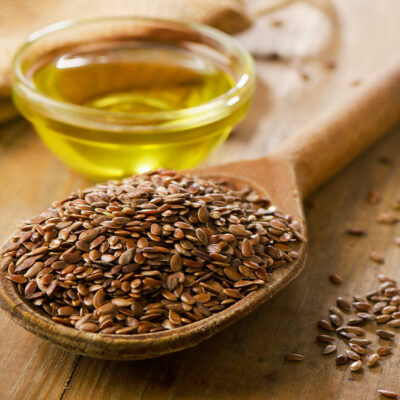
Nasal polyps are characterized by multiple teardrop-like outgrowths appearing on the lining of the sinuses or nasal passages. Chronic inflammation, associated with health conditions such as asthma, recurring infection, and allergic reactions, is the leading cause of nasal polyps. It is a curable condition, with endoscopic sinus surgery a particularly effective treatment alternative. Certain foods can reduce the severity of this condition’s symptoms. Some safe foods that help fight nasal polyps are listed below. Flaxseeds Foods rich in omega-3 fatty acids help fight nasal polyps. These fatty acids are effective antioxidants that can reduce inflammation in the nasal pathways. Foods rich in this nutrient are flaxseeds, salmon, soybeans, and walnuts. Pineapples Pineapple is loaded with bromelain, an inflammation-reducing enzyme that deters swelling inside a person’s sinuses and nasal passageway linings. Additionally, it is rich in vitamin C, an antioxidant that lowers inflammation in the sinus. Moreover, pineapple is also a delicious and refreshing fruit that is incredible to eat or drink as a pulpy juice. Broccoli Like omega-3 fatty acids, flavonoids are also incredible antioxidants that can fight respiratory infections like asthma in people. Some of the best sources of flavonoids are apples, red grapes, onions, cherries, citrus fruits, and tea.

Top Articles

Symptoms, causes, and risks of peptic ulcer
health

Symptoms, causes, and risks of peptic ulcer

Peptic ulcer affects about 4.6 million Americans every year. Peptic ulcer results in open sores forming on the upper portion of the small intestine and the inside lining of the stomach. The first one is known as the duodenal ulcer, and the second type is known as a gastric ulcer. Read on to know more about its symptoms, causes, and risks associated with this condition. Symptoms of peptic ulcer If you feel a burning pain in the stomach, then it can be a sign of peptic ulcers, as it is the most common symptom of the disease. The pain can get worse at night or between meals. The acid in your stomach makes it worse. Other than the pain, some other common symptoms of peptic ulcers include feeling bloated or full, intolerance to fatty food, nausea, and heartburn. Apart from these, the other signs may include: Vomiting with the presence of blood Presence of dark blood in the stool Trouble in breathing Feeling faint Nausea Sudden weight loss Change in appetite Taking acid blockers can relieve the pain temporarily. If it keeps coming back, you need to contact your doctor. Causes of peptic ulcer Stomach conditions may have a variety of causes, which is true for peptic ulcers too.
Heart disease – Symptoms, causes, and risk factors
health

Heart disease – Symptoms, causes, and risk factors

Several diseases are included under the umbrella term of heart diseases and are also called cardiovascular diseases. They lead to the blood vessels becoming narrow or getting blocked, which, in turn, can result in a heart attack or stroke or cause pain in the chest. Other heart conditions affect the heart’s muscle, rhythm, or valve. Symptoms The symptoms vary according to the condition diagnosed. The symptoms of common cardiovascular diseases are discussed below. Symptoms of atherosclerotic disease Pain in the chest or feeling a sense of tightness or discomfort in the area Shortness of breath Limbs feeling numb or severely cold if the blood vessels have narrowed in the area, as it affects blood circulation Pain in the jaw, back, upper abdomen, or neck Symptoms of abnormality in the heartbeat or arrhythmia Fluttering sensation in the chest Racing or slow heartbeat Discomfort or pain in the chest Feeling dizzy or fainting Light-headedness Symptoms of heart defects or related conditions Skin color turning blue or pale gray Abdominal swelling or swelling in the area surrounding the eyes Shortness of breath while feedings in case of an infant Symptoms of dilated cardiomyopathy Breathlessness Swelling in the legs, feet, and ankles Feeling a sense of fatigue and dizziness Irregular heartbeat Symptoms related to heart infections Fever Shortness of breath Feeling weak Change in the heart rhythm Persistent cough Skin rashes Causes The causes vary depending on the type of heart disease one is affected with.
Symptoms, causes, and risk factors of immune system disorder
health

Symptoms, causes, and risk factors of immune system disorder

The immune system is referred to as the defense system that protects the body against different kinds of diseases. The stronger the immune system, the higher will be the chances of the body staying away from diseases. Suffering from immunodeficiency or immune system disorder is a cause of concern and must be immediately addressed. Symptoms Cold hands If the blood vessels suffer from inflammation, it gets difficult for the ears, toes, fingers, and nose to stay warm. The affected portion of the skin turns white. Slowly, the color changes into blue when these areas are further exposed to some cold object or atmosphere. When the flow of the blood becomes normal, the skin turns back to red. Medical experts refer to this as the Raynaud’s phenomenon. It is one of the most commonly observed symptoms of immune system disorder. Dry eyes When a person is suffering from an autoimmune disorder, his immune system, instead of protecting his body against diseases, attacks it. Lupus and rheumatoid arthritis are two of the most common examples of this condition. People who suffer from an autoimmune disorder tend to have dry eyes. The person will feel the presence of some grainy object when this happens.
Common joint conditions and their symptoms and risk factors
health

Common joint conditions and their symptoms and risk factors

Joint conditions are commonly associated with increasing age, but they can also be a result of injuries or may develop due to other medical conditions affecting bone and joint health. Arthritis, a commonly diagnosed joint condition, has over 200 types. Depending on the severity of the disease, these conditions can also affect a patient’s quality of life. Read on to know the symptoms, causes, and factors that increase one’s risk of developing joint conditions. Symptoms of joint conditions The following are some of the symptoms that most joint conditions are accompanied by: Joint stiffness Weakness in the joints Inflammation, swelling, and redness of the affected joint Limping due to pain and stiffness Joint getting locked Tearing of the cartilage Commonly-diagnosed joint conditions and their causes Osteoarthritis This form of arthritis involves the wear-and-tear of the joint’s cartilage, which means the risk of developing this disease elevates with age. The cartilage plays the role of a cushion between the bones in order to prevent friction that can cause damage. Damaged cartilage due to this condition results in the bones losing their protection and clashing, causing pain and restricting movement and flexibility. This usually occurs gradually, but it can also develop suddenly in the case of an infection or injury.
All you need to know about menopause
health

All you need to know about menopause

Menopause marks the end of a woman’s menstrual cycles. It is typically diagnosed after a year of no menstrual periods, but it begins much before that. Menopause occurs in your forties and even fifties, but the average age when it occurs in the US is 51. While it is a natural and biological process, the physical symptoms and the hot flashes may cause disruptions in your sleep and even affect your emotional health in general. There are plenty of treatments available. But, to get started, you need to know what the condition looks and feels like. Here are the symptoms, causes, and complications related to menopause. Symptoms of menopause In the time leading up to menopause, you may experience some common symptoms such as irregularity in periods, dryness in the vagina, as well as hot flashes. Some people also experience chills, sleep problems, mood swings, and night sweats. Weight gain and slowed metabolism are two other symptoms that commonly occur with menopause. Menopausal women may even experience dry skin and thinning hair on a regular basis. However, this is not to say that all women experience these symptoms. Different women go through different issues. Depending on your health in general, you may experience varying levels of symptoms.
Mental health conditions – What you should know
health

Mental health conditions – What you should know

Millions of people live with different types of mental illnesses and health problems. These include obsessive-compulsive disorder, social anxiety, and personality disorders. All of these come under the umbrella of mental health. In this article, we will cover the symptoms, causes, and risk factors of some common mental health disorders such as obsessive-compulsive disorder (OCD), post-traumatic stress disorder (PTSD), and clinical depression to help you understand them better. Symptoms The common symptoms of mental health disorders include: Obsessive-compulsive disorder People with OCD may present the following symptoms: Constant fear of contamination and extra emphasis on cleanliness Signs of hoarding and counting belongings continuously Signs of excessive concern toward personal safety Post-traumatic stress disorder Somebody suffering from PTSD may show the following symptoms: Constantly suffering through intrusive memories Negative patterns in mood and mindset Trying to avoid thinking of the traumatic event Feeling changes in emotional and physical reactions Clinical depression The symptoms of clinical depression include: Being moody and experiencing different emotions, such as aggressiveness, anxiousness, and restlessness Adverse effect on sexual life A decline of cognitive abilities Poor sleep patterns If you notice any of these symptoms, we recommend consulting with a mental health doctor immediately. Causes The common causes of any mental health disorder include the following: