6 tips to keep the lungs healthy
health

6 tips to keep the lungs healthy

Our lungs help us breathe in oxygen and filter out harmful pollutants from the air. Therefore, it is essential to care for the lungs and keep them healthy. Poor lung health can increase the risk of several respiratory conditions that impact a person’s quality of life and lead to other complications. Keeping this in mind, we have put together a few simple tips to ensure your lungs remain healthy and functioning properly. Reduce exposure to air pollution A great way to maintain healthy lungs is to reduce exposure to environmental pollutants. Stay indoors as far as possible on high air pollution days and wear a face mask before leaving the house. While we cannot always control our environment, these steps will help prevent you from inhaling tiny particles that can harm the lungs. Regular exercise Another way to keep your lungs healthy is to exercise and indulge in physical activity regularly. Taking long walks amidst nature or practicing yoga can improve lung function and reduce the risk of respiratory diseases. Managing stress Research suggests stress can impact respiratory health by causing rapid breathing and inflammation. Practicing relaxation techniques like deep breathing and pursuing a hobby are two ways to cope with stress and thus support the lungs.
6 common health conditions linked to psoriasis
health

6 common health conditions linked to psoriasis

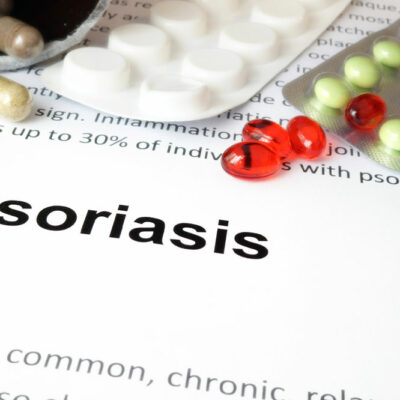
Psoriasis is one of the most commonly diagnosed skin disorders among adults. It is long-term with no cure and mainly causes rashes, scaly patches, and dry skin that cracks, causing a burning sensation. The skin condition causes inflammation, and these symptoms develop due to the persistent inflammatory responses that destroy healthy skin cells. People diagnosed with this skin disorder also develop one or more of the following conditions linked to psoriasis. Psoriatic arthritis (PsA) PsA is one of the primary conditions linked to psoriasis in many cases. The higher the severity of psoriasis, the greater the chances of developing psoriatic arthritis. According to many studies, PsA goes undiagnosed among 1 in 10 people until the later stages. Type 2 diabetes and hypertension Psoriasis triggers an imbalance in both blood glucose and blood pressure levels. Inflammation, one of the primary symptoms of the skin disorder, has been cited as a reason why comorbidities like diabetes and high blood pressure can develop simultaneously with severe psoriasis. Metabolic disorders Abnormal blood pressure, high blood glucose, and an imbalance in good cholesterol, bad cholesterol, and triglyceride levels increase the prevalence of metabolic syndromes with psoriasis. Cardiovascular diseases Prolonged severe psoriasis can trigger bouts of chronic inflammation.
5 health conditions that can trigger or worsen headaches
health

5 health conditions that can trigger or worsen headaches

If you have experienced debilitating headaches that have disrupted your plans for the day, you are not alone. Studies suggest that approximately 45 million people in the country deal with headaches every year. Usually, headaches are symptoms of some underlying health conditions; as a result, treating these conditions can help reduce the frequency and intensity of headaches. Keep reading to learn more about the underlying conditions causing or worsening headaches. Meningitis Meningitis is a health condition resulting from inflammation of the fluids and membranes around the brain and spinal cord, known as meninges. Such inflammation triggers headaches and symptoms like fever, muscle and joint pain, and neck stiffness. Headaches associated with meningitis spread rapidly across the head. Hypertensive crisis Headaches are relatively prominent among cases of hypertensive crisis, a condition characterized by a sudden, considerable elevation of blood pressure levels. Here, the BP reading is 180/120 mm Hg or higher. A hypertensive crisis is classified as a health emergency and requires immediate hospitalization. During a hypertensive crisis, patients often suffer from pulsing headaches felt throughout the head. Brain tumor A brain tumor is the growth and accumulation of abnormal cells in or around the brain. Among the common symptoms of brain tumors is brain swelling, which increases pressure in the head and culminates in severe headaches.
6 common health conditions related to psoriasis
health

6 common health conditions related to psoriasis

Psoriasis is an autoimmune health condition with symptoms that are easily visible such as dryness, redness, and peeling of the skin. It is generally known that these symptoms are the result of chronic inflammation. However, not many people are aware that psoriasis causes systemic inflammation, which means the inflammation affects not only the skin but also the internal organs of the body. This can eventually lead to other health complications. Psoriatic arthritis Psoriatic arthritis is one of the most common conditions linked to psoriasis. The symptoms include swollen and stiff joints with severe pain. Early onset of psoriatic arthritis is usually indicated by symptoms such as red or swollen joints along the spine, fingers, and elbows. Metabolic syndrome The metabolic syndrome results from elevated blood sugar levels, high blood pressure, and high levels of body fat and cholesterol. This syndrome further increases the risk of health conditions related to the heart and type 2 diabetes. Cardiovascular disease Cardiovascular disease or heart-related conditions include heart stroke, arrhythmia, heart failure, and problems related to the valves of the heart. It is estimated that those with psoriasis have twice the risk of developing cardiovascular complications. However, the risk increases for those who have been diagnosed with metabolic syndrome in the past as a result of psoriasis.
5 health conditions associated with knee pain
health

5 health conditions associated with knee pain

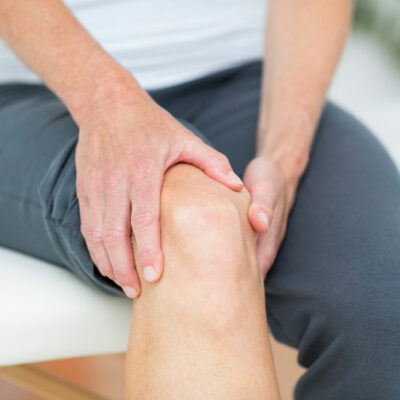
Knee pain is a common complaint among many people. It is usually caused due to the general wear and tear of the knee from everyday activities. The problem is far more prevalent among athletes who undergo severe and extreme physical strain and older people due to aging. Knee pain could also be a symptom of other health conditions and issues. Identifying the underlying cause can help manage the pain better and prevent it from reoccurring. Iliotibial band syndrome The iliotibial band is a strong band of tissue that starts from the hips and ends toward the knees. When this band of tissue becomes too tight, it rubs against the thighbone, leading to knee pain. Distance runners and cyclists generally suffer from this problem. Dislocated kneecap This is among the most common conditions linked to knee pain. A dislocated kneecap occurs when the patella, or the triangular bone at the front of the knee, moves from its usual location. It leads to severe pain in the affected knee during any movement. ACL injury The anterior cruciate ligament, or ACL, connects the shinbone to the thighbone. A sudden jerking movement can sometimes lead to a tear in this ligament. The knee pain-causing injury is generally observed among those who play sports like soccer and basketball.
4 common mistakes to avoid during period
health

4 common mistakes to avoid during period

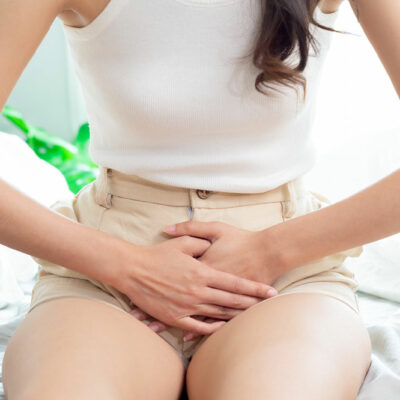
For several women, excruciating pain and cramps are synonymous with periods. Research suggests that approximately 80% of individuals who menstruate experience period pain at some point. Adequate care and rest are essential to overcome period pain and avoid nutritional deficiencies during this time. Alongside maintaining a proper meal plan, avoiding certain types of foods, and staying as physically active as possible, avoiding these few common mistakes can help women manage better during their period. Using scented tampons or pads Besides causing irritation and discomfort, scented tampons and pads also alter the vagina’s pH balance, leading to problems like bacterial vaginosis and yeast infections. Scented tampons and pads can also contribute to vaginal itching and odor. Thus, it is important to use unscented menstrual products at all times to avoid compromising menstrual health. Staying dehydrated The body loses more fluids during periods than on regular days. Consequently, it requires more water to perform daily functions like lubricating joints, controlling body temperature, regulating bowel movements, and providing nutrients and oxygen to the cells. Dehydration can slow down these processes significantly, aggravating one’s discomfort and weakening their immunity. It helps to set water reminders on one’s phone or smartwatch to stay hydrated during the menstrual cycle.
5 lifestyle habits that affect the menstrual cycle
health

5 lifestyle habits that affect the menstrual cycle

The menstrual cycle duration varies between women, but the average is 28 days. Though a slight change in this average is considered normal, if one experiences an irregular menstrual cycle for several months, it might signify an underlying health condition that must be diagnosed and promptly treated. In such scenarios, it is advised to seek the help of an ob-gyn and watch out for some unhealthy lifestyle habits that must be changed. Sudden rigorous exercise routine Regular and moderate exercise can improve heart health, mood regulation, and a steady sleep cycle. Moreover, changing your exercise routine and trying a new regime won’t impact your menstrual cycle much. However, problems will arise when one suddenly switches to an extreme exercise/training routine, which can affect one’s menstrual cycle. It is commonly observed in women who start training for marathons or triathlons. Excessive stress Dealing with excessive stress levels for longer periods is another aspect that can impact one’s menstrual cycle. It is because stress leads to the higher production of cortisol, which can interfere with many crucial bodily functions. As a result, there is lower production of estrogen and progesterone. All these factors combined will hamper one’s menstrual cycle. Unhealthy sleeping habits Not maintaining a healthy sleep cycle is a major lifestyle mistake many people commit.
Top 4 healthy foods to eat for seniors
health

Top 4 healthy foods to eat for seniors

Age is a crucial factor that determines a person’s food habits. For example, a certain food, which one can digest easily in their twenties, might not suit them after 50. So, older adults must be careful about their nutritional habits to maintain optimum health. Such individuals need a meal plan that involves nutritious foods that do not take much effort to digest. Keep reading to learn about the best foods for people over 60. Eggs High-protein foods are needed to stabilize the metabolism of the eaten meals in the digestive system. As people age, their caloric requirements decrease while their protein needs are enhanced to minimize muscle loss, a decrease in strength, and deterioration of vital body functions. Foods such as eggs are rich sources of naturally occurring protein. Usually, the recommended protein intake for people is about 0.8 grams of kilograms of their body weight per day. People over the age of 60 will require way more protein than that. Health and nutrition experts suggest that the figure should be at least 1.2 kilograms daily for effective metabolism and functioning. Oatmeal Like protein, fiber is essential for reinforcing the defense mechanism of one’s body as it ages. After 60, one must eat high-fiber foods such as oatmeal, chickpeas, quinoa, flaxseed, and chia seeds to reduce the risk of heart disease, diabetes, metabolic disorders, diverticular disease, and other health conditions brought about by a weakening of the immune system.
10 foods that actively improve fertility
health

10 foods that actively improve fertility

Reproduction is a complicated process. Men and women must equally be healthy and fertile to start the process of conception from a single-cell embryo to a fully grown baby. That said, daily nutrition and lifestyle choices also impact an individual’s fertility process, blood flow, gut, and overall health. So, nutritionists recommend including certain fertility-boosting foods that increase the chances of getting pregnant. Here are ten superfoods to try and achieve successful conception. Pineapple Several studies are indicative of the benefits of eating raw pineapple. It is rich in vitamin C and bromelain, a plant compound that counters inflammation that affects fertility and prevents the body from suppressing ovulation. Eggs Egg yolks contain omega-3 fatty acids, a compound that promotes anti-inflammatory responses in the body. In addition, eggs are loaded with iron, calcium, vitamin B, zinc, and other fertility-enhancing nutrients. Citrus-rich fruits Oranges and grapefruits are the two most potent vitamin C-rich fruits that also boast potassium, calcium, and B vitamins content. The nutrients help regulate ovulation, create a suitable environment for the eggs, and increase sperm production. Pomegranates Studies done on men to test sperm motility showed the group that included pomegranates or its extract in daily meal plans had better chances of producing sperm that can conceive.
6 frequent mistakes to avoid for a healthy bladder
health

6 frequent mistakes to avoid for a healthy bladder

Like every other body part, it is important to keep one’s bladder health in check. Unbeknownst to many, various urological conditions originate from the inability to maintain optimum urinary tract health. Accurate urination is crucial for safeguarding one’s bladder from health conditions like urinary tract infections (UTIs) and urinary incontinence. To protect one’s bladder from long-term or short-term urinary issues, here are some common mistakes and habits one should avoid. Holding urine in While holding your pee becomes necessary sometimes, making it a habit can lead to long-term health complications. A full bladder becomes susceptible to the build-up of bacteria which triggers infections in the urinary tract. Therefore, following healthy drinking and urination habits should be prioritized. Incomplete urination Just like holding urine in, not completely emptying the bladder can aggravate one’s risk of urinary infections. Regardless of one’s tight schedule, spare time for nature’s call. Not observing urination patterns Frequent urination is a condition often overlooked by people. However, if a person is urinating more than usual in a day, it can indicate severe conditions like kidney stones, UTIs, or even diabetes. Not getting bladder examined Unexplained changes to urine color are another condition that necessitates healthcare intervention. For example, if one notices their urine appearing red, it might indicate severe conditions like cancer or kidney stones, which must be treated.

Top Articles

Symptoms, causes, and risks of peptic ulcer
health

Symptoms, causes, and risks of peptic ulcer

Peptic ulcer affects about 4.6 million Americans every year. Peptic ulcer results in open sores forming on the upper portion of the small intestine and the inside lining of the stomach. The first one is known as the duodenal ulcer, and the second type is known as a gastric ulcer. Read on to know more about its symptoms, causes, and risks associated with this condition. Symptoms of peptic ulcer If you feel a burning pain in the stomach, then it can be a sign of peptic ulcers, as it is the most common symptom of the disease. The pain can get worse at night or between meals. The acid in your stomach makes it worse. Other than the pain, some other common symptoms of peptic ulcers include feeling bloated or full, intolerance to fatty food, nausea, and heartburn. Apart from these, the other signs may include: Vomiting with the presence of blood Presence of dark blood in the stool Trouble in breathing Feeling faint Nausea Sudden weight loss Change in appetite Taking acid blockers can relieve the pain temporarily. If it keeps coming back, you need to contact your doctor. Causes of peptic ulcer Stomach conditions may have a variety of causes, which is true for peptic ulcers too.
Heart disease – Symptoms, causes, and risk factors
health

Heart disease – Symptoms, causes, and risk factors

Several diseases are included under the umbrella term of heart diseases and are also called cardiovascular diseases. They lead to the blood vessels becoming narrow or getting blocked, which, in turn, can result in a heart attack or stroke or cause pain in the chest. Other heart conditions affect the heart’s muscle, rhythm, or valve. Symptoms The symptoms vary according to the condition diagnosed. The symptoms of common cardiovascular diseases are discussed below. Symptoms of atherosclerotic disease Pain in the chest or feeling a sense of tightness or discomfort in the area Shortness of breath Limbs feeling numb or severely cold if the blood vessels have narrowed in the area, as it affects blood circulation Pain in the jaw, back, upper abdomen, or neck Symptoms of abnormality in the heartbeat or arrhythmia Fluttering sensation in the chest Racing or slow heartbeat Discomfort or pain in the chest Feeling dizzy or fainting Light-headedness Symptoms of heart defects or related conditions Skin color turning blue or pale gray Abdominal swelling or swelling in the area surrounding the eyes Shortness of breath while feedings in case of an infant Symptoms of dilated cardiomyopathy Breathlessness Swelling in the legs, feet, and ankles Feeling a sense of fatigue and dizziness Irregular heartbeat Symptoms related to heart infections Fever Shortness of breath Feeling weak Change in the heart rhythm Persistent cough Skin rashes Causes The causes vary depending on the type of heart disease one is affected with.
Symptoms, causes, and risk factors of immune system disorder
health

Symptoms, causes, and risk factors of immune system disorder

The immune system is referred to as the defense system that protects the body against different kinds of diseases. The stronger the immune system, the higher will be the chances of the body staying away from diseases. Suffering from immunodeficiency or immune system disorder is a cause of concern and must be immediately addressed. Symptoms Cold hands If the blood vessels suffer from inflammation, it gets difficult for the ears, toes, fingers, and nose to stay warm. The affected portion of the skin turns white. Slowly, the color changes into blue when these areas are further exposed to some cold object or atmosphere. When the flow of the blood becomes normal, the skin turns back to red. Medical experts refer to this as the Raynaud’s phenomenon. It is one of the most commonly observed symptoms of immune system disorder. Dry eyes When a person is suffering from an autoimmune disorder, his immune system, instead of protecting his body against diseases, attacks it. Lupus and rheumatoid arthritis are two of the most common examples of this condition. People who suffer from an autoimmune disorder tend to have dry eyes. The person will feel the presence of some grainy object when this happens.
Common joint conditions and their symptoms and risk factors
health

Common joint conditions and their symptoms and risk factors

Joint conditions are commonly associated with increasing age, but they can also be a result of injuries or may develop due to other medical conditions affecting bone and joint health. Arthritis, a commonly diagnosed joint condition, has over 200 types. Depending on the severity of the disease, these conditions can also affect a patient’s quality of life. Read on to know the symptoms, causes, and factors that increase one’s risk of developing joint conditions. Symptoms of joint conditions The following are some of the symptoms that most joint conditions are accompanied by: Joint stiffness Weakness in the joints Inflammation, swelling, and redness of the affected joint Limping due to pain and stiffness Joint getting locked Tearing of the cartilage Commonly-diagnosed joint conditions and their causes Osteoarthritis This form of arthritis involves the wear-and-tear of the joint’s cartilage, which means the risk of developing this disease elevates with age. The cartilage plays the role of a cushion between the bones in order to prevent friction that can cause damage. Damaged cartilage due to this condition results in the bones losing their protection and clashing, causing pain and restricting movement and flexibility. This usually occurs gradually, but it can also develop suddenly in the case of an infection or injury.
All you need to know about menopause
health

All you need to know about menopause

Menopause marks the end of a woman’s menstrual cycles. It is typically diagnosed after a year of no menstrual periods, but it begins much before that. Menopause occurs in your forties and even fifties, but the average age when it occurs in the US is 51. While it is a natural and biological process, the physical symptoms and the hot flashes may cause disruptions in your sleep and even affect your emotional health in general. There are plenty of treatments available. But, to get started, you need to know what the condition looks and feels like. Here are the symptoms, causes, and complications related to menopause. Symptoms of menopause In the time leading up to menopause, you may experience some common symptoms such as irregularity in periods, dryness in the vagina, as well as hot flashes. Some people also experience chills, sleep problems, mood swings, and night sweats. Weight gain and slowed metabolism are two other symptoms that commonly occur with menopause. Menopausal women may even experience dry skin and thinning hair on a regular basis. However, this is not to say that all women experience these symptoms. Different women go through different issues. Depending on your health in general, you may experience varying levels of symptoms.
Mental health conditions – What you should know
health

Mental health conditions – What you should know

Millions of people live with different types of mental illnesses and health problems. These include obsessive-compulsive disorder, social anxiety, and personality disorders. All of these come under the umbrella of mental health. In this article, we will cover the symptoms, causes, and risk factors of some common mental health disorders such as obsessive-compulsive disorder (OCD), post-traumatic stress disorder (PTSD), and clinical depression to help you understand them better. Symptoms The common symptoms of mental health disorders include: Obsessive-compulsive disorder People with OCD may present the following symptoms: Constant fear of contamination and extra emphasis on cleanliness Signs of hoarding and counting belongings continuously Signs of excessive concern toward personal safety Post-traumatic stress disorder Somebody suffering from PTSD may show the following symptoms: Constantly suffering through intrusive memories Negative patterns in mood and mindset Trying to avoid thinking of the traumatic event Feeling changes in emotional and physical reactions Clinical depression The symptoms of clinical depression include: Being moody and experiencing different emotions, such as aggressiveness, anxiousness, and restlessness Adverse effect on sexual life A decline of cognitive abilities Poor sleep patterns If you notice any of these symptoms, we recommend consulting with a mental health doctor immediately. Causes The common causes of any mental health disorder include the following: