3 common types of soaps that trigger eczema flareups
health

3 common types of soaps that trigger eczema flareups

Eczema is one of the country’s most commonly diagnosed skin allergies, affecting over 31 million people with some form of the condition. There are many subtypes, and the symptoms also vary depending on the severity of the triggers or health complications that cause eczema. However, certain lifestyle habits like using harmful or harsh cosmetic products for daily skincare routines can also severely impact skin health. Here are 3 common types of soaps that trigger eczema allergies. Soaps with harsh cleansing agents For someone who may already have dormant skin allergies, cleansing agents can trigger flare-ups upon first contact. Most cleansing agent soaps designed to exfoliate the skin contain sodium lauryl sulfates that rob the skin of its natural oils and expose the delicate derma. Without proper hydration or natural moisture, the skin becomes more prone to developing cracks, sores, and infections. For this purpose, dermatologists recommend avoiding soaps and using emollients with an organic moisturizer base that gently exfoliates and rehydrates the skin. Fragrant soaps Artificial fragrances may smell really good and add that certain oomph factor to otherwise dull formulations used in soaps. But artificial fragrances are also one of the primary triggers of eczema flare-ups. When these soaps come in direct contact with the skin, many people tend to develop an allergic reaction that triggers inflammation, dryness, and persistent irritation.

Top 4 side effects of excessive caffeine intake
health

Top 4 side effects of excessive caffeine intake

Coffee and tea are very popular beverage choices. However, they contain caffeine – a substance that can boost metabolism, mood, and mental and physical performance. Many people drink caffeine for mental alertness, migraine, memory, and athletic performance. In most cases, drinking these beverages in low to moderate quantities is considered safe, but high doses of caffeine may have unpleasant and sometimes even dangerous side effects. So it’s advised to limit caffeine intake as much as possible. Side effects of caffeine Experts believe healthy adults can drink up to 400 milligrams of caffeine daily. It means nearly 4 cups of brewed coffee a day is safe. However, one must know the possible side effects of caffeine, some of which are listed below. Insomnia One of the most prized qualities of caffeine is its ability to help people stay awake. But excessive amounts of caffeine can make it challenging to get restorative sleep. Furthermore, studies have found that high doses of caffeine decrease total sleeping time, especially in older adults. In addition, caffeine taken later in the day may interfere with sleep as its effects take several hours to wear off completely. Rapid heart rate High amounts of caffeine also possess stimulatory effects that can increase heart rate.
5 foods that may trigger or worsen epilepsy
health

5 foods that may trigger or worsen epilepsy

From movement and awareness to thinking, speech, and hearing, the CNS controls several integral bodily functions. Epilepsy is a CNS-related disorder caused by brain activity abnormalities, triggering abnormal behavior phases. Muscle stiffness, uncontrollable body jerks, and loss of consciousness are some of its common symptoms. A systematic treatment course, a healthy meal plan, and some lifestyle changes can help control epilepsy symptoms. Here are some foods patients with epilepsy should avoid or limit: Bananas Bananas contain high potassium levels, which is an essential nutrient for the body. However, excessive banana consumption will lead to excess potassium concentration in one’s body. This may lead to periodic seizures. Thus, patients with seizures must consume bananas in limited quantities. Sugary foods and beverages Increased sugar intake can spike in blood sugar levels, which may trigger seizures in some people. Consequently, it helps to avoid foods and beverages containing high sugar concentrations, including soft drinks and processed foods. Baked items Baked foods are typically prepared using refined flour and contain trans fats, which can increase one’s risk for cholesterol and heart diseases, including cardiac arrhythmia. Cardiac arrhythmia can lead to convulsive syncope, characterized by seizure-like symptoms. Thus, it is important to avoid or limit having baked foods like cakes, pastries, and bread, particularly if they are store-bought.
Best and worst foods for managing scoliosis
health

Best and worst foods for managing scoliosis

Scoliosis is an abnormal curvature of the spine in the coronal or frontal plane. It is generally diagnosed during adolescence and may lead to pain in the lower back, back stiffness, pain or numbness in the legs due to pinched nerves, or fatigue due to muscle strain. Treatment for this condition involves the use of braces, spinal fusion surgery, or spine and rib-based growing operations. Further, healthy food choices are an important part of recovery. Best foods Here are three foods to eat when undergoing scoliosis recovery to improve health and wellness: Fresh fruits and vegetables: Fresh fruits and vegetables are a rich source of nutrients as well as fiber, which are important for maintaining one’s overall health. Fresh produce like broccoli, apples, tomatoes, avocados, cauliflower, carrots, kale, Brussels sprouts, pears, peaches, celery, and green beans can be beneficial during recovery. Unprocessed meats: Organic meats, such as chicken, turkey, fish, and beef, are a great way of providing proteins to the body. However, one should steer clear of processed meats, as they may have unhealthy additives and preservatives. Foods with vitamin D and calcium: Calcium and vitamin D are crucial for maintaining bone health and must be added to meals in healthy doses.
Top 6 foods for healthy and glowing skin
health

Top 6 foods for healthy and glowing skin

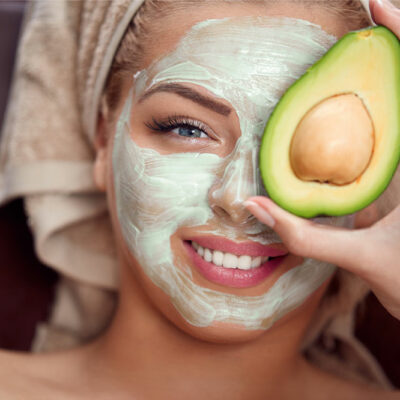
Nutrition is important for good health. Unhealthy food can cause damage to one’s metabolism and organs. Furthermore, various studies have suggested that food and its nutritional value significantly affect the health and aging of the skin. So, healthcare experts recommend adding healthy foods to one’s nutrition regime. Read further to know which foods help achieve glowing and blemish-free skin. Top 6 foods for glowing skin A meal plan that focuses on high-quality lean proteins, fruits, vegetables, fiber, and healthy oils is the best for supporting healthy skin. Avocados Fresh fruits such as avocados are packed with healthy fats. These fats greatly benefit the skin. Moreover, avocados are a good source of vitamin E, an important antioxidant that protects the skin from oxidative damage. Tomatoes Tomato-based foods like juice and sauce may help clear up acne. Moreover, tomatoes contain a phytochemical known as lycopene, which makes them red. Lycopene boosts collagen strength and fights against the damage caused by UV rays. Ginger This superfood is best known for its antioxidant and anti-inflammatory properties. Furthermore, multiple studies have shown that ginger has a soothing effect on the skin. So, one can also try ginger facials to achieve glowing skin. Walnuts Walnuts are a rich source of essential fatty acids, which are fats that aren’t produced by the body.
Top 4 food items that guarantee healthy hair
health

Top 4 food items that guarantee healthy hair

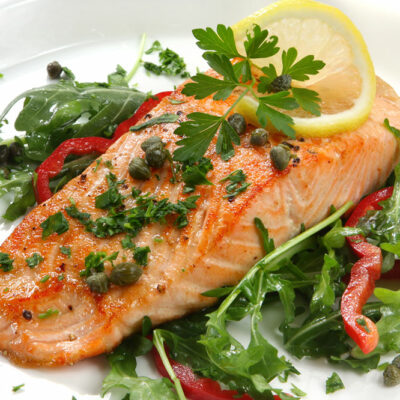
Nutrition plays a crucial role in a person’s general health. The food one eats regularly helps keep the skin and hair healthy. Further, foods also impact the hair’s volume, growth, and strength. However, the speed of growth and hair strength may also depend on various factors such as genetics, age, overall health, and environmental exposure. Although one cannot change these factors, one can adjust the daily meal plan to ensure proper nutrition. Foods for healthy hair Vitamins and minerals in food play a pivotal role in the growth cycles of hair follicles. Hence, healthcare professionals suggest a meal plan encompassing all the vital nutrients for healthy hair. Some of such healthy food choices are listed below. Salmon Fishes like salmon, mackerel, and sardines are rich in Omega-3 fatty acids. As the body cannot produce these fats, one can add these fish to their meal plan to ensure nutrition. Further, the fatty acids also protect the body from diseases and ensure the growth and shine of the hair. Eggs A good source of protein and biotin, eggs are essential for hair growth. As hair follicles are made up of protein, one must ensure regular protein intake to ensure minimum hair loss.
5 unexpected things that may increase one’s cancer risk
health

5 unexpected things that may increase one’s cancer risk

The incidences of cancer have been estimated at 442.4 per 1,00,000 men and women in the country. This health condition has emerged as a major cause of concern. However, interventions for cancer are becoming more advanced and successful. Following a prescribed treatment course and making some lifestyle changes can help in the symptom management of cancer. But here are some things you probably never knew could increase one’s risk for this disease. Chimneys Chimney sweeping results in exposure to large volumes of soot and dust. Ingestion of wood fumes, coal, and other burnt substances have been found to cause scrotal skin cancer or scrotal carcinoma, now commonly called as Pott’s cancer. Historically, children, particularly young boys, were ordered to clean chimneys due to their petite sizes. The prevalence of chimney sweep cancer among these children led to the discovery of this cancer type by doctor Percivall Pott in London in 1775. Hair straighteners According to recent studies the use of hair straighteners and relaxers may increase women’s susceptibility to uterine cancer. Moreover, it suggested that women of African descent may be at higher risk for this type of cancer than others.  Scented candles Scented candles are often the ideal props to set up the perfect romantic dinner or date night.
4 foods to avoid while dealing with cold sores
health

4 foods to avoid while dealing with cold sores

Cold sores are a problematic symptom of the Herpes Simplex Virus that can derail your plans. They often appear when you are already under the weather, making them even more challenging to eliminate. Furthermore, they are not as quick to leave as they are to arrive. They linger around for longer and might feed off some healthy food you eat to boost your immunity. Here are some foods to avoid while dealing with cold sores. Chocolate Chocolate has often been touted for all the health benefits it brings. It is also loaded with antioxidants; the darker the chocolate, the higher its protein and fiber content will be. But chocolate is best avoided for people with cold sores because of its high arginine content. For people who prefer hot chocolate in the winter, switching to alternatives like cappuccino will help save some discomfort. Pickles Foods with high salt content, like pickles, are another no-no for people with cold sores. Not only does high sodium content further irritate the skin it also interferes with macrophage activation. Since macrophages are essential to bringing down the inflammatory markers in the body, eating foods like pickles can prove counter-productive to cold sores treatments. Oranges Stress is one of the most common reasons behind cold sores, as it impairs the immune system’s functioning.
6 foods that can worsen hearing problems
health

6 foods that can worsen hearing problems

Research indicates that one in eight people in the country, aged 12 years or older, lives with hearing loss in both ears. Thus, loss of hearing is a prominent issue that needs to be addressed. Recent technological advancements have resulted in several interventions to enhance hearing, including hearing aids, brainstem implants, and other assistive devices. In addition, maintaining a healthy lifestyle and avoiding certain types of food can contribute to healing from hearing loss. Red meat Red meat is high in saturated and trans fats, which can cause plaque to generate in the arteries and impede blood circulation. Sometimes, poor blood circulation can contribute to hearing impairments, such as tinnitus. Baked foods Baked foods contain large amounts of refined sugar and carbohydrates, especially store-bought products like cakes, pastries, and puddings. High glucose levels in the blood can damage the small blood vessels and nerves present in the inner ear. Monosodium glutamate Monosodium glutamate (MSG) is an excitatory neurotransmitter that can cause neurological damage, tinnitus, and hearing loss. Thus, it is advisable for individuals at risk of or grappling with hearing loss to avoid or limit foods from restaurants or ready-to-eat foods, which usually contain MSG. Caffeine Excessive intake of caffeinated beverages such as tea and coffee can increase one’s blood pressure, triggering a ringing sensation in the ears and conditions like tinnitus.
4 things to avoid before bed for managing migraine
health

4 things to avoid before bed for managing migraine

Migraine is a condition with a persistent and painful headache that is felt around the temples of the head. These can be triggered by loud noise, bright light, or some foods. And if a person regularly experiences migraine headaches, one should try making changes to one’s pre-bedtime routine to manage the triggers. This article discusses 4 things to avoid before going to bed to manage them. Read on to learn more. Irregular sleep schedule Not getting enough sleep or oversleeping can both trigger a headache. Experts suggest that following a strict sleep schedule can be extremely useful in keeping that migraine away. Going to bed at the same time and waking up around the same time will channel one’s body to get the appropriate amount of rest needed every night. This applies on the weekend too. This might be a good hack to try if one easily gets triggered by headaches. Bright room with too much noise This is especially important to avoid for those dealing with migraine attacks. A dark room with a comfortable bed and no noise is highly appreciated. According to the National Sleep Foundation, keeping the room temperature to 68 Fahrenheit is the ideal way to get the most restful and comfortable sleep.

Top Articles

Symptoms, causes, and risks of peptic ulcer
health

Symptoms, causes, and risks of peptic ulcer

Peptic ulcer affects about 4.6 million Americans every year. Peptic ulcer results in open sores forming on the upper portion of the small intestine and the inside lining of the stomach. The first one is known as the duodenal ulcer, and the second type is known as a gastric ulcer. Read on to know more about its symptoms, causes, and risks associated with this condition. Symptoms of peptic ulcer If you feel a burning pain in the stomach, then it can be a sign of peptic ulcers, as it is the most common symptom of the disease. The pain can get worse at night or between meals. The acid in your stomach makes it worse. Other than the pain, some other common symptoms of peptic ulcers include feeling bloated or full, intolerance to fatty food, nausea, and heartburn. Apart from these, the other signs may include: Vomiting with the presence of blood Presence of dark blood in the stool Trouble in breathing Feeling faint Nausea Sudden weight loss Change in appetite Taking acid blockers can relieve the pain temporarily. If it keeps coming back, you need to contact your doctor. Causes of peptic ulcer Stomach conditions may have a variety of causes, which is true for peptic ulcers too.
Heart disease – Symptoms, causes, and risk factors
health

Heart disease – Symptoms, causes, and risk factors

Several diseases are included under the umbrella term of heart diseases and are also called cardiovascular diseases. They lead to the blood vessels becoming narrow or getting blocked, which, in turn, can result in a heart attack or stroke or cause pain in the chest. Other heart conditions affect the heart’s muscle, rhythm, or valve. Symptoms The symptoms vary according to the condition diagnosed. The symptoms of common cardiovascular diseases are discussed below. Symptoms of atherosclerotic disease Pain in the chest or feeling a sense of tightness or discomfort in the area Shortness of breath Limbs feeling numb or severely cold if the blood vessels have narrowed in the area, as it affects blood circulation Pain in the jaw, back, upper abdomen, or neck Symptoms of abnormality in the heartbeat or arrhythmia Fluttering sensation in the chest Racing or slow heartbeat Discomfort or pain in the chest Feeling dizzy or fainting Light-headedness Symptoms of heart defects or related conditions Skin color turning blue or pale gray Abdominal swelling or swelling in the area surrounding the eyes Shortness of breath while feedings in case of an infant Symptoms of dilated cardiomyopathy Breathlessness Swelling in the legs, feet, and ankles Feeling a sense of fatigue and dizziness Irregular heartbeat Symptoms related to heart infections Fever Shortness of breath Feeling weak Change in the heart rhythm Persistent cough Skin rashes Causes The causes vary depending on the type of heart disease one is affected with.
Symptoms, causes, and risk factors of immune system disorder
health

Symptoms, causes, and risk factors of immune system disorder

The immune system is referred to as the defense system that protects the body against different kinds of diseases. The stronger the immune system, the higher will be the chances of the body staying away from diseases. Suffering from immunodeficiency or immune system disorder is a cause of concern and must be immediately addressed. Symptoms Cold hands If the blood vessels suffer from inflammation, it gets difficult for the ears, toes, fingers, and nose to stay warm. The affected portion of the skin turns white. Slowly, the color changes into blue when these areas are further exposed to some cold object or atmosphere. When the flow of the blood becomes normal, the skin turns back to red. Medical experts refer to this as the Raynaud’s phenomenon. It is one of the most commonly observed symptoms of immune system disorder. Dry eyes When a person is suffering from an autoimmune disorder, his immune system, instead of protecting his body against diseases, attacks it. Lupus and rheumatoid arthritis are two of the most common examples of this condition. People who suffer from an autoimmune disorder tend to have dry eyes. The person will feel the presence of some grainy object when this happens.
Common joint conditions and their symptoms and risk factors
health

Common joint conditions and their symptoms and risk factors

Joint conditions are commonly associated with increasing age, but they can also be a result of injuries or may develop due to other medical conditions affecting bone and joint health. Arthritis, a commonly diagnosed joint condition, has over 200 types. Depending on the severity of the disease, these conditions can also affect a patient’s quality of life. Read on to know the symptoms, causes, and factors that increase one’s risk of developing joint conditions. Symptoms of joint conditions The following are some of the symptoms that most joint conditions are accompanied by: Joint stiffness Weakness in the joints Inflammation, swelling, and redness of the affected joint Limping due to pain and stiffness Joint getting locked Tearing of the cartilage Commonly-diagnosed joint conditions and their causes Osteoarthritis This form of arthritis involves the wear-and-tear of the joint’s cartilage, which means the risk of developing this disease elevates with age. The cartilage plays the role of a cushion between the bones in order to prevent friction that can cause damage. Damaged cartilage due to this condition results in the bones losing their protection and clashing, causing pain and restricting movement and flexibility. This usually occurs gradually, but it can also develop suddenly in the case of an infection or injury.
All you need to know about menopause
health

All you need to know about menopause

Menopause marks the end of a woman’s menstrual cycles. It is typically diagnosed after a year of no menstrual periods, but it begins much before that. Menopause occurs in your forties and even fifties, but the average age when it occurs in the US is 51. While it is a natural and biological process, the physical symptoms and the hot flashes may cause disruptions in your sleep and even affect your emotional health in general. There are plenty of treatments available. But, to get started, you need to know what the condition looks and feels like. Here are the symptoms, causes, and complications related to menopause. Symptoms of menopause In the time leading up to menopause, you may experience some common symptoms such as irregularity in periods, dryness in the vagina, as well as hot flashes. Some people also experience chills, sleep problems, mood swings, and night sweats. Weight gain and slowed metabolism are two other symptoms that commonly occur with menopause. Menopausal women may even experience dry skin and thinning hair on a regular basis. However, this is not to say that all women experience these symptoms. Different women go through different issues. Depending on your health in general, you may experience varying levels of symptoms.
Mental health conditions – What you should know
health

Mental health conditions – What you should know

Millions of people live with different types of mental illnesses and health problems. These include obsessive-compulsive disorder, social anxiety, and personality disorders. All of these come under the umbrella of mental health. In this article, we will cover the symptoms, causes, and risk factors of some common mental health disorders such as obsessive-compulsive disorder (OCD), post-traumatic stress disorder (PTSD), and clinical depression to help you understand them better. Symptoms The common symptoms of mental health disorders include: Obsessive-compulsive disorder People with OCD may present the following symptoms: Constant fear of contamination and extra emphasis on cleanliness Signs of hoarding and counting belongings continuously Signs of excessive concern toward personal safety Post-traumatic stress disorder Somebody suffering from PTSD may show the following symptoms: Constantly suffering through intrusive memories Negative patterns in mood and mindset Trying to avoid thinking of the traumatic event Feeling changes in emotional and physical reactions Clinical depression The symptoms of clinical depression include: Being moody and experiencing different emotions, such as aggressiveness, anxiousness, and restlessness Adverse effect on sexual life A decline of cognitive abilities Poor sleep patterns If you notice any of these symptoms, we recommend consulting with a mental health doctor immediately. Causes The common causes of any mental health disorder include the following: