4 early indicators of colon cancer
health

4 early indicators of colon cancer

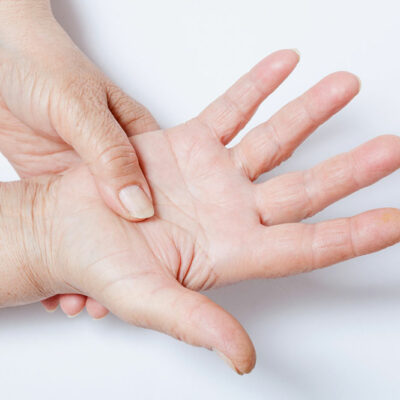
Colon cancer, which begins in a portion of the large intestine called the colon, affects many in our country. It is life-threatening and can spread to other body parts, such as the liver and lungs, if not detected and treated. Like most health disorders, colon cancer has a few early signs that help individuals identify it in its initial stages. One must visit a doctor for a diagnosis as soon as they experience these symptoms. Anemia Colon cancer often leads to bleeding in the large intestine without the patient’s knowledge. Frequent bleeding, in turn, causes a loss of red blood cells. As red blood cells are the primary oxygen carriers, their absence causes anemia, a condition where the blood cannot efficiently transport oxygen throughout the body. The signs of anemia are irregular heartbeat, cold hands and feet, shortness of breath, pale skin, and weakness or fatigue even after simple activities like skipping or climbing stairs. Tenesmus Tenesmus is a condition where a person experiences the urge to use the restroom multiple times, even after having passed stool. Essentially, one constantly feels their bowel movement is incomplete. Tenesmus is a significant early sign of colon cancer, so individuals must visit a healthcare provider immediately after experiencing this symptom.
Safe food options during immune thrombocytopenia
health

Safe food options during immune thrombocytopenia

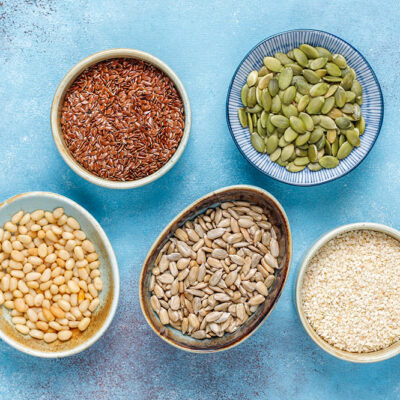
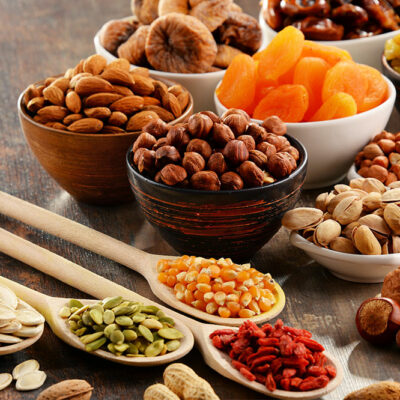
Immune thrombocytopenia (ITP) is a condition in which patients can bleed or bruise easily and excessively. Seeking proper professional guidance and therapy is crucial in such situations, but that alone cannot help improve the quality of life. Healthy lifestyles and food choices can also play a pivotal role in helping these patients combat the disease. Therapy and healthy food choices go hand in hand to provide better patient care and ensure minimum health risks. Fats Avoiding fats from one’s meals is not a recommended approach to healthy meals. Foods rich in healthy unsaturated fats also bring numerous nutrients to the table. This includes options like nuts and seeds, avocados, nut butter, and high-quality cooking oils or ghee. Including healthy fats in meals can also help immune thrombocytopenia patients cope better with their stress. The higher number of calories in these food products proves beneficial to the body.  Avoiding unhealthy or saturated fats in meals is one of the most common pieces of advice people with any health condition get. This is especially important for people who stand a risk of cardiac diseases. Since ITP patients are prescribed prolonged corticosteroid usage, food that can negatively impact the heart should be avoided as much as possible.
7 physical activities that help manage diabetes symptoms
health

7 physical activities that help manage diabetes symptoms

Diabetes is a chronic health condition where the body does not generate enough insulin or cannot use it efficiently to control sugar levels. The condition affects about 37 million people in the country and is also a leading cause of kidney failure and adult blindness and a reason for lower-limb amputations. Some remedies help manage this condition; however, one can also curb symptoms by regularly following exercises. Check out some of such helpful activities below. Daily walks Walking is an ideal way of managing diabetes. Try brisk strolls for half an hour three to four times a week, or take your pet dog for a walk. You can also track your walking progress through fitness apps to make exercising fun. Swimming Swimming enhances the muscles in the upper and lower body. Strong muscle movements while swimming helps burn calories, lower cholesterol, and improve heart health. Swimming also does not strain the joints as other exercise routines would. Trying dance routines Dancing helps lower stress levels, burn calories, curb blood sugar, and benefit the heat. Dancing for around half an hour every day for three days a week will help improve symptoms of diabetes. Cycling Those experiencing diabetes symptoms should consider cycling for about 30 minutes daily, three to five times a week.
4 foods to omit for healthy lungs
health

4 foods to omit for healthy lungs

When it comes to health, what you introduce into your body and environment holds great importance. This holds for lung health as well. With increased levels of air and water pollution surrounding us, impaired lung capacity is a growing concern. In such a scenario, avoiding foods that could further contribute to the deterioration of your lungs is necessary. Avoiding foods that can compromise lung health can also help maintain heart health. Processed meat Increased intake of highly processed meats like bacon, sausages, hot dogs, and other deli meats has long been linked to compromised lung health. According to numerous research results, daily intake of processed forms of meat can impair lung function, increasing the risk of developing and triggering conditions like COPD. A set of research also found the rehospitalization rate to be higher in COPD patients that continued using processed meat. The problem is the high salt content and the subsequent water retention these foods can cause. Added sugar Sugars that are not naturally present in food and have been added as a measure of taste enhancement or preservation are added sugars. Most often, it is in the form of refined sugar or other syrups. Commonly occurring foods with added sugars include cereals, granola, cakes, flavored yogurts, and more.
Foods to avoid and remedies for Crohn’s disease and ulcerative colitis
health

Foods to avoid and remedies for Crohn’s disease and ulcerative colitis

Inflammatory bowel diseases (IBD) can cause severe discomfort and hamper day-to-day functioning in their more advanced stages. Ulcerative colitis and Crohn’s disease are two common IBDs affecting several individuals at different severity levels. Ulcerative colitis (UC) involves inflammation and ulcers in the large intestine’s inner lining, whereas Crohn’s disease is characterized by swelling of the large intestine. Here are some foods patients with UC and Crohn’s disease should avoid, together with some treatment options. Whole grains Whole grains can irritate the gastrointestinal tract among individuals suffering from UC and Crohn’s disease. It helps to avoid consuming whole, unprocessed grains like buckwheat, brown rice, rolled oats, and wild rice varieties. In addition, white rice and instant oats may be more easily digestible. Raspberries A cup of raspberries contains 8 grams of fiber, a no-no for individuals with UC and Crohn’s. Replacing such high-fiber fruits with low-fiber alternatives, such as cantaloupes, watermelons, nectarines, peaches, and fresh fruit juices without pulp, will help. Broccoli Cruciferous vegetables like broccoli and cauliflower contain high levels of insoluble fiber, which is difficult to digest and can aggravate existing digestive problems like UC and Crohn’s disease. It helps to avoid such vegetables and replace them with more easily digestible alternatives like asparagus tips, cucumber, and cooked spinach.
5 Foods that may worsen inflammatory bowel diseases
health

5 Foods that may worsen inflammatory bowel diseases

Inflammatory bowel disease (IBD) is the umbrella term for health conditions involving inflammation of the gastrointestinal tract. IBD is primarily categorized into ulcerative colitis (UC) and Crohn’s disease, which affect one’s moods and involve symptoms like nausea, abdominal pain, fatigue, and rectal bleeding. In addition, a person’s food habits and treatment course are crucial in controlling IBD symptoms. Here is some information on UC and Crohn’s disease and foods individuals with these conditions must avoid. Ulcerative colitis Ulcerative colitis (UC) is an IBD involving inflammation in the colon and rectum. Ulcers develop in the rectum and the large intestine’s inner lining, causing severe pain and discomfort. Individuals with UC may experience symptoms like diarrhea, abdominal pain, rectal bleeding, and an inability to defecate despite feeling the urge. Crohn’s disease Crohn’s disease is an IBD characterized by gastrointestinal tract inflammation. It typically begins with the small intestine, progressing to the large intestinal lining. The affected areas usually appear as patches in the latter condition. Moreover, while UC only affects the large intestine’s innermost lining, Crohn’s can occur in any part of the tract. Foods to avoid Changing one’s nutritional habits is crucial in managing IBDs like UC and Crohn’s disease. It is because certain food items tend to trigger flare-ups among people diagnosed with these conditions.
7 silent warning signs of thyroid cancer
health

7 silent warning signs of thyroid cancer

The thyroid gland is situated at the base of the neck. It helps produce hormones to regulate crucial body functions like heart rate, body temperature, and blood pressure. An uncontrolled growth of cells in this gland is known as thyroid cancer. While most thyroid cancers are curable, it is vital to identify the symptoms early for effective treatment. Here are seven must-know silent warning signs of thyroid cancer that help diagnose the condition. Sleep changes Abnormal cell growth in the thyroid gland can cause it to produce excess amounts of hormones like triiodothyronine (T3) and thyroxine (T4). These hormones overstimulate the central nervous system and lead to insomnia. Therefore, if an individual’s sleep patterns change abruptly, it could indicate thyroid cancer. Fatigue The human body often tires after a hard day’s work or strenuous physical activity. But those with thyroid cancer may experience fatigue upon waking up after a good night’s sleep. It is because an underactive thyroid may lead to lesser production of the hormones necessary to stay energetic. Bowel irregularities The thyroid gland helps keep the digestive tract running smoothly. So, someone with thyroid cancer may have subtle signs of an underactive thyroid, including poor hormone production, which may lead to regular constipation.
Avoid these 3 foods to boost gut health
health

Avoid these 3 foods to boost gut health

Our body is home to tons of different microorganisms and bacteria. Most of these bacteria reside in our gut and are known as the gut microbiome. The gut microbiome is essential for absorbing nutrients, supporting the immune system, and maintaining the body’s overall health. This is why it is crucial to know which foods to foods could harm your gut health. And one must avoid such foods at all costs to improve overall well-being. Artificial sweeteners Artificial sweeteners and flavors are found in various processed foods. But, when we consume the latter, the former does not break down in the body. Instead, they leave the body undigested and affect the microorganisms in the gut, leading to gas, bloating, and diarrhea, which may be severe based on how much sweetener you have consumed. Studies have also found that consuming artificial sweeteners increases the risk of developing harmful gut bacteria such as E. coli and E. faecalis. When purchasing foods off the shelf, ensure that the foods do not contain artificial sweeteners such as Stevia, sucralose, aspartame, and saccharin. Fried foods Fried foods are unsuitable for the body’s overall health and can affect gut health negatively. Fried and oily foods are more difficult to digest than organic foods.
Top foods to choose when dealing with thyroid cancer
health

Top foods to choose when dealing with thyroid cancer

The metabolic functions of the body are regulated by the thyroid gland through the production of hormones. When affected by thyroid cancer, one could experience health complications and should seek immediate treatment to remove the tumor. However, when treating the condition, it is critical to make better food choices. This can help reduce symptoms and avoid interfering with the treatment. So, here are some foods to choose from while undergoing thyroid cancer treatment: Vegetables Fresh vegetables, especially cruciferous and green vegetables, are crucial components of all meal plans. They are rich in magnesium and minerals, making them excellent nutrient sources. Green vegetables also help improve metabolism, particularly in the thyroid gland. So, people with the condition should opt for foods like spinach and lettuce. These vegetables can also help with symptoms like muscle pain, fatigue, and an irregular heartbeat due to their high magnesium content. Fruits and berries Many fruits, such as strawberries, tomatoes, raspberries, bananas, and apples, are high in antioxidants. These help with thyroid function and help fight toxic substances that can worsen thyroid-related issues. Thes fruits also support the body’s ability to stay healthy and fight diseases. Nuts Almonds, cashews, and pumpkin seeds are excellent sources of magnesium.
6 common foods that trigger eosinophilic esophagitis
health

6 common foods that trigger eosinophilic esophagitis

Eosinophilic esophagitis (EoE) is a chronic inflammatory condition that affects the esophagus. This condition can make it difficult to swallow and easier for food to get stuck in the food pipe. People with EoE develop allergic reactions to certain foods, causing their esophagi to swell up and become narrow. Doctors may recommend an elimination method to understand which foods trigger EoE in patients. The most common foods that trigger Eosinophilic Esophagitis are: Eggs: Apart from whole eggs, also avoid any foods that contain eggs, such as eggnog, mayonnaise, meringue, surimi, and egg substitutes. Beware of egg content in baked goods and puddings. Ingredients to watch out for in packaged goods include albumin, lysozyme, ovalbumin, lecithin, globulin, and ovovitellin. Wheat: Avoid foods rich in wheat, such as bread, couscous, crackers, most flours, pasta, and pizza crusts. Wheat ingredients to look out for are bulgar, durum, einkorn, emmer, farina, Kamut, matzoh, semolina, spelt, and triticale. Instead, opt for gluten-free foods made from potato, rice, or tapioca. Soy: Soy-rich foods to avoid include edamame, miso, natto, shoyu, soy sauce, soybean, tamari, tempeh, tofu, and Quorn. Soy ingredients can be found on packaged goods under the name of soy, soy flour, soy fiber, soy protein, and textured vegetable protein.

Top Articles

Symptoms, causes, and risks of peptic ulcer
health

Symptoms, causes, and risks of peptic ulcer

Peptic ulcer affects about 4.6 million Americans every year. Peptic ulcer results in open sores forming on the upper portion of the small intestine and the inside lining of the stomach. The first one is known as the duodenal ulcer, and the second type is known as a gastric ulcer. Read on to know more about its symptoms, causes, and risks associated with this condition. Symptoms of peptic ulcer If you feel a burning pain in the stomach, then it can be a sign of peptic ulcers, as it is the most common symptom of the disease. The pain can get worse at night or between meals. The acid in your stomach makes it worse. Other than the pain, some other common symptoms of peptic ulcers include feeling bloated or full, intolerance to fatty food, nausea, and heartburn. Apart from these, the other signs may include: Vomiting with the presence of blood Presence of dark blood in the stool Trouble in breathing Feeling faint Nausea Sudden weight loss Change in appetite Taking acid blockers can relieve the pain temporarily. If it keeps coming back, you need to contact your doctor. Causes of peptic ulcer Stomach conditions may have a variety of causes, which is true for peptic ulcers too.
Heart disease – Symptoms, causes, and risk factors
health

Heart disease – Symptoms, causes, and risk factors

Several diseases are included under the umbrella term of heart diseases and are also called cardiovascular diseases. They lead to the blood vessels becoming narrow or getting blocked, which, in turn, can result in a heart attack or stroke or cause pain in the chest. Other heart conditions affect the heart’s muscle, rhythm, or valve. Symptoms The symptoms vary according to the condition diagnosed. The symptoms of common cardiovascular diseases are discussed below. Symptoms of atherosclerotic disease Pain in the chest or feeling a sense of tightness or discomfort in the area Shortness of breath Limbs feeling numb or severely cold if the blood vessels have narrowed in the area, as it affects blood circulation Pain in the jaw, back, upper abdomen, or neck Symptoms of abnormality in the heartbeat or arrhythmia Fluttering sensation in the chest Racing or slow heartbeat Discomfort or pain in the chest Feeling dizzy or fainting Light-headedness Symptoms of heart defects or related conditions Skin color turning blue or pale gray Abdominal swelling or swelling in the area surrounding the eyes Shortness of breath while feedings in case of an infant Symptoms of dilated cardiomyopathy Breathlessness Swelling in the legs, feet, and ankles Feeling a sense of fatigue and dizziness Irregular heartbeat Symptoms related to heart infections Fever Shortness of breath Feeling weak Change in the heart rhythm Persistent cough Skin rashes Causes The causes vary depending on the type of heart disease one is affected with.
Symptoms, causes, and risk factors of immune system disorder
health

Symptoms, causes, and risk factors of immune system disorder

The immune system is referred to as the defense system that protects the body against different kinds of diseases. The stronger the immune system, the higher will be the chances of the body staying away from diseases. Suffering from immunodeficiency or immune system disorder is a cause of concern and must be immediately addressed. Symptoms Cold hands If the blood vessels suffer from inflammation, it gets difficult for the ears, toes, fingers, and nose to stay warm. The affected portion of the skin turns white. Slowly, the color changes into blue when these areas are further exposed to some cold object or atmosphere. When the flow of the blood becomes normal, the skin turns back to red. Medical experts refer to this as the Raynaud’s phenomenon. It is one of the most commonly observed symptoms of immune system disorder. Dry eyes When a person is suffering from an autoimmune disorder, his immune system, instead of protecting his body against diseases, attacks it. Lupus and rheumatoid arthritis are two of the most common examples of this condition. People who suffer from an autoimmune disorder tend to have dry eyes. The person will feel the presence of some grainy object when this happens.
Common joint conditions and their symptoms and risk factors
health

Common joint conditions and their symptoms and risk factors

Joint conditions are commonly associated with increasing age, but they can also be a result of injuries or may develop due to other medical conditions affecting bone and joint health. Arthritis, a commonly diagnosed joint condition, has over 200 types. Depending on the severity of the disease, these conditions can also affect a patient’s quality of life. Read on to know the symptoms, causes, and factors that increase one’s risk of developing joint conditions. Symptoms of joint conditions The following are some of the symptoms that most joint conditions are accompanied by: Joint stiffness Weakness in the joints Inflammation, swelling, and redness of the affected joint Limping due to pain and stiffness Joint getting locked Tearing of the cartilage Commonly-diagnosed joint conditions and their causes Osteoarthritis This form of arthritis involves the wear-and-tear of the joint’s cartilage, which means the risk of developing this disease elevates with age. The cartilage plays the role of a cushion between the bones in order to prevent friction that can cause damage. Damaged cartilage due to this condition results in the bones losing their protection and clashing, causing pain and restricting movement and flexibility. This usually occurs gradually, but it can also develop suddenly in the case of an infection or injury.
All you need to know about menopause
health

All you need to know about menopause

Menopause marks the end of a woman’s menstrual cycles. It is typically diagnosed after a year of no menstrual periods, but it begins much before that. Menopause occurs in your forties and even fifties, but the average age when it occurs in the US is 51. While it is a natural and biological process, the physical symptoms and the hot flashes may cause disruptions in your sleep and even affect your emotional health in general. There are plenty of treatments available. But, to get started, you need to know what the condition looks and feels like. Here are the symptoms, causes, and complications related to menopause. Symptoms of menopause In the time leading up to menopause, you may experience some common symptoms such as irregularity in periods, dryness in the vagina, as well as hot flashes. Some people also experience chills, sleep problems, mood swings, and night sweats. Weight gain and slowed metabolism are two other symptoms that commonly occur with menopause. Menopausal women may even experience dry skin and thinning hair on a regular basis. However, this is not to say that all women experience these symptoms. Different women go through different issues. Depending on your health in general, you may experience varying levels of symptoms.
Mental health conditions – What you should know
health

Mental health conditions – What you should know

Millions of people live with different types of mental illnesses and health problems. These include obsessive-compulsive disorder, social anxiety, and personality disorders. All of these come under the umbrella of mental health. In this article, we will cover the symptoms, causes, and risk factors of some common mental health disorders such as obsessive-compulsive disorder (OCD), post-traumatic stress disorder (PTSD), and clinical depression to help you understand them better. Symptoms The common symptoms of mental health disorders include: Obsessive-compulsive disorder People with OCD may present the following symptoms: Constant fear of contamination and extra emphasis on cleanliness Signs of hoarding and counting belongings continuously Signs of excessive concern toward personal safety Post-traumatic stress disorder Somebody suffering from PTSD may show the following symptoms: Constantly suffering through intrusive memories Negative patterns in mood and mindset Trying to avoid thinking of the traumatic event Feeling changes in emotional and physical reactions Clinical depression The symptoms of clinical depression include: Being moody and experiencing different emotions, such as aggressiveness, anxiousness, and restlessness Adverse effect on sexual life A decline of cognitive abilities Poor sleep patterns If you notice any of these symptoms, we recommend consulting with a mental health doctor immediately. Causes The common causes of any mental health disorder include the following: