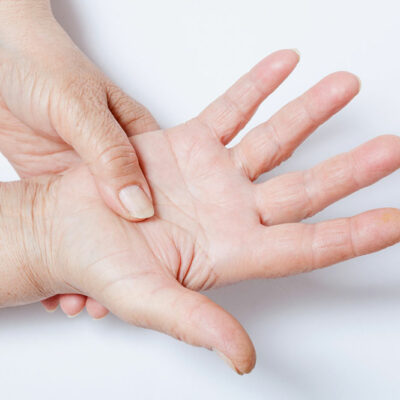
7 signs of multiple myeloma to look out for
health

7 signs of multiple myeloma to look out for

Multiple myeloma is a rare type of cancer that leads to accumulating cancer cells in the bone marrow. It alters the blood’s plasma cells and lowers the body’s production of disease-fighting antibodies, thus causing a wide range of symptoms in the process. However, the disease often has no signs in its early stages, making it challenging to identify. Therefore, here are the silent signs of multiple myeloma to look out for: Fatigue Healthy blood cells allow the body to fight disease and infections easily. However, with the increase of cancerous cells in the body, it has to work much harder to fight infections, causing fatigue and weakness. Bone problems Since myeloma affects the bone marrow, it can affect the process of bone cell formation, which can lead to problems like bone pain and brittle or broken bones. Kidney problems The breakdown of bone in the body leads to a rise in calcium levels, which can lead to several complications like increased thirst and urination, constipation, confusion, and kidney damage. Low blood counts The multiplication of myeloma cells in the body leads to crowding out healthy blood cells. This reduces the occurrence of red blood cells (anemia) and white blood cells (leukopenia), making one more susceptible to infections.

Lung cancer – Silent signs to look out for
health

Lung cancer – Silent signs to look out for

Lung cancer is among the leading causes of death in both men and women. Even though it is treatable, early detection and diagnosis are crucial. The two most common symptoms of the condition are believed to be persistent cough and shortness of breath, but in many cases, they do not appear until the advanced stages. So, here are a few other silent signs of lung cancer one should look out for. Fatter fingertips A few types of lung tumors produce hormone-like chemicals. These chemicals can push more fluid and blood to the fingertip tissues, making them look thicker or larger. Furthermore, the skin next to the nails can look shiny, and the nails may curve more. Statistics suggest that 80% of people with this symptom have lung cancer. Stomach issues Many people with lung cancer develop hypercalcemia, characterized by high amounts of calcium in the blood. The condition can lead to problems like stomach aches and constipation. Moreover, some hormone-like substances released by the tumors may cause kidney problems, leading to cramps and nausea. Hoarseness or changes in voice Some also notice a few changes in their voice, making it seem strained or raspy. This may happen due to the lung’s pressure on the nerve that controls the vocal cords.
12 superfoods that help ease menstrual cramps
health

12 superfoods that help ease menstrual cramps

Period cramps are a result of uterine muscles contracting to shed tissue. The contraction momentarily cuts off the oxygen supply to the uterus, which releases the chemicals that cause pain. Women all around the world face varying degrees of period cramps that interfere with their ability to function normally. But eating certain types of foods and drinks can reduce the pain and provide more comfort during that time of the month. Water Hydration is said to help alleviate period pain. A study showed that women who drank more water used fewer painkillers and reported less severe cramps. Turmeric milk Turmeric added to milk has traditionally been used by many cultures to relieve PMS symptoms and regularize periods. This anti-inflammatory spice stimulates blood flow in the pelvic region and has an antispasmodic effect. Bananas Bananas are rich in fiber and magnesium, easy to digest and help regulate bowel movement. They can help one feel less bloated and reduce the severity of cramps. Oranges A powerhouse of vitamin C and antioxidants, oranges can reduce menstrual cramps. The fruit also has a high water content, thus helping with hydration. Fish Fish is a good source of protein, omega-3 fatty acids, and iron. All of these nutrients minimize menstruation discomfort and help improve mood.
Nutrient dense foods to eat for menopause
health

Nutrient dense foods to eat for menopause

Menopause marks the end of the regular menstrual cycle. If a woman doesn’t get her period for over 12 months, her body will undergo a series of metabolic changes. Menopause can trigger several discomforts ranging from physical symptoms like hot flashes and night sweats to emotional disturbances like mood swings and personality changes. However, it is possible to manage menopause with simple changes in daily nutrition and lifestyle to improve the outlook in the long run. Cruciferous vegetables, leafy greens, and berries Several research studies explain why including more green vegetables and berries helped women experience fewer hot flashes associated with menopause over time. Top picks include broccoli, cauliflower, and dark berries, which help increase estrogen levels and further lower the risk of breast cancer complications. Dark greens and leafy vegetables like spinach, chard, leaf lettuce, and beet are also rich sources of calcium, fiber, potassium, magnesium, and B vitamins. These nutrients are essential for regulating mood and energy to lower the impact of menopausal hormone changes that affect one’s personality. Healthy omega-3 fatty foods Omega 3 fatty acid is one of the crucial anti-inflammatory compounds to include in daily nutrition to help manage hot flashes and lower the severity of night sweats experienced during menopause.
Lymphoma types and early warning signs
health

Lymphoma types and early warning signs

Lymphoma cancer is detected in the lymphatic system, which comprises the bone marrow, spleen, lymph nodes, stomach, intestines, and skin. The disease is marked by abnormal growth of white blood cells. More than half a million new lymphoma cases are diagnosed in the country every year. Since lymph tissues are spread throughout the body, lymphoma can start almost anywhere. Here are some common early signs of the disease to look out for. Types of lymphoma The disease can be classified into over 70 types based on cancer growth, aggression, and symptoms. The disease originates in white blood cells called B lymphocytes (B cells) and T lymphocytes (T cells) found in the bone marrow. Broadly, lymphoma is divided into two types: Non-Hodgkin lymphoma It begins in the lymphatic system and is marked by abnormal white blood cell growth that forms tumors throughout one’s body. Non-Hodgkin lymphoma is more common in older adults. Hodgkin lymphoma Hodgkin lymphoma usually begins in B cells and is comparatively easier to cure at an early stage. It can affect both kids and adults at any point. Several treatments are available for the disease, from chemotherapy, radiation therapy, immunotherapy, and targeted therapy, to stem cell transplantation. A patient’s recovery depends on the type and stage of their cancer.
6 ingredients in detergents that cause skin irritation
health

6 ingredients in detergents that cause skin irritation

Laundry detergents and fabric softeners are key items on one’s shopping list as people regularly wash clothes, bedding, and even furnishings. However, even the major brands in the business heavily rely on certain chemicals and additives that increase the potency and efficacy of their product. This, of course, can come at the cost of irritating sensitive skin. So here are six common ingredients in detergents that you should avoid if you have sensitive skin: Preservatives Soaps, detergents, and laundry cleaners are laced with preservatives that increase the shelf life of the product. Phenoxyethanol and formaldehyde are common preservatives that kill bacterial growth and stabilize the solution for long-term effectiveness. However, their direct contact with sensitive skin can result in harsh flare-ups and inflammation, especially among those who already suffer from skin disorders like eczema and psoriasis. Fragrances Artificial fragrances are added to cosmetic products and laundry detergents to make fabric smell great after a thorough wash. However, most artificial fragrances are made using an ethanol base that can cause irritation once the detergent comes in contact with the skin. Fragrances also release harmful fumes that should not be ingested. Parabens Parabens are the most common chemicals in water-based laundry detergents, as they increase the product’s shelf life and prevent mold from affecting the formula.
5 cities with most asthma related emergencies
health

5 cities with most asthma related emergencies

If you are an asthma patient, exposure to environmental triggers can lead to severe breathing problems. Being inadvertently exposed to these triggers for long periods can result in aggravated symptoms compromising your quality of life. Statistics suggest more than 26 million people in the country live with asthma. And if you are one of these people, you know how much the environment of the city you live in contributes to your daily life and health. Louisville, Kentucky Louisville is one of the cities in the country with the biggest red flag for people with asthma. It is also ranked high on the list of cities in the use of treatment for long-term asthma control and management. Philadelphia, Pennsylvania Philadelphia is ranked 11th on the list of cities prevalent in asthma. It also ranks high on the list of places with a substantial number of asthma-related deaths. Philadelphia also is home to a greater amount of the population that is struggling to make ends meet. This directly or indirectly impacts the patient’s ability to seek treatment for their asthma and is a cause of poor lifestyle. Dayton, Ohio Dayton, Ohio, is ranked one of the worst cities for asthma patients. It is largely believed that the entire midwestern belt of the country is unhealthy for people with asthma to live in.
6 foods to eat for managing GERD
health

6 foods to eat for managing GERD

Acid reflux is a condition that causes heartburn due to the backflow of stomach acid into the esophagus. This is also referred to as gastroesophageal reflux disease (GERD). Although it is a common condition, it can cause problems such as heartburn, nausea, vomiting, a dry cough, foul breath, difficulty swallowing, and chest pain. High-sodium meals, acidic foods, and lack of fiber worsen acid reflux. Here are the best foods to eat to avoid GERD. Best foods to consume to avoid GERD Oatmeal Oatmeal is a high-fiber, whole-grain breakfast cereal. Foods with a lot of fiber can lessen acid reflux. These foods also promote intestinal health and help general digestion by easing constipation. Oatmeal is also linked to the easy digestion of other foods and the absorption of stomach acid. Thus, including oatmeal in your breakfast meal significantly lowers GERD symptoms. Lean meat and seafood Lean meats are simpler to digest and less likely to cause GERD symptoms, such as skinless chicken breast baked or sautéed rather than fried and greasy. Other options for lean meat include turkey, leaner beef, and seafood like fish, prawns, and lobster. Fatty meats are typically higher in cholesterol and can cause heartburn, so leaner meats are a better option for GERD symptoms.
3 easy-to-make smoothies to fight arthritis
health

3 easy-to-make smoothies to fight arthritis

Arthritis is an inflammatory condition that causes swelling and tenderness in one or more joints in the body. The main symptom of this condition is joint pain and stiffness, making it difficult to function in daily life. There are many different types of arthritis, including osteoarthritis and rheumatoid arthritis. While there are many treatments to tackle this condition, individuals can also aid their treatment by eating the right foods. Here are some smoothies to try for managing arthritis. Fresh fruits It is one of the best smoothies to help with arthritis and joint pain. It is also suitable for those who are fans of sweeter foods. You can add pineapples, mango, and bananas to the grinder. Don’t forget to add some unsweetened coconut milk to get that creamy and delicious base. Each of these foods contains tons of antioxidants that can help fight inflammation in the body and reduce the signs and symptoms of conditions such as rheumatoid arthritis. You also have the option to choose from fresh fruits or frozen fruits. Leafy greens If you’re a fan of leafy greens, you can try this green smoothie. One of its main ingredients is spinach, a rich source of many nutrients.
4 ways food impacts one’s mental health
health

4 ways food impacts one’s mental health

Studies show that a person’s emotional and mental health are closely related to what they consume. A change in eating habits and lifestyle is frequently the first line of treatment for patients suffering from depression or other mental health conditions. Every individual’s nutritional needs are distinct. But barring allergies, everyone can rely on food to improve their cognitive functions and emotional state. Here are some ways that show how food impacts one’s mental health. Brain chemicals and the gut Science has termed the gastrointestinal tract the body’s “second brain.” Trillions of bacteria in one’s gastrointestinal tract help the brain produce dopamine and serotonin. These chemicals are mood stabilizers responsible for regulating one’s feelings of calmness, happiness, motivation, and rewards. It is believed that gut bacteria produce 95 percent of the body’s supply of serotonin. Nutrition-rich food promotes the growth of good bacteria that support the production of these chemicals. Insulin resistance On the contrary, processed and sugary foods are toxic to brain functioning. The high sugar content in foods strains the pancreas and results in insulin resistance. This, in turn, increases cortisol and glucagon levels. These neurotransmitters make one feel more anxious, fatigued, hungry and irritated. Nutrient deficiency and mood The nervous system and brain depend heavily on nutrition to produce new proteins and repair cells and tissues.

Top Articles

Symptoms, causes, and risks of peptic ulcer
health

Symptoms, causes, and risks of peptic ulcer

Peptic ulcer affects about 4.6 million Americans every year. Peptic ulcer results in open sores forming on the upper portion of the small intestine and the inside lining of the stomach. The first one is known as the duodenal ulcer, and the second type is known as a gastric ulcer. Read on to know more about its symptoms, causes, and risks associated with this condition. Symptoms of peptic ulcer If you feel a burning pain in the stomach, then it can be a sign of peptic ulcers, as it is the most common symptom of the disease. The pain can get worse at night or between meals. The acid in your stomach makes it worse. Other than the pain, some other common symptoms of peptic ulcers include feeling bloated or full, intolerance to fatty food, nausea, and heartburn. Apart from these, the other signs may include: Vomiting with the presence of blood Presence of dark blood in the stool Trouble in breathing Feeling faint Nausea Sudden weight loss Change in appetite Taking acid blockers can relieve the pain temporarily. If it keeps coming back, you need to contact your doctor. Causes of peptic ulcer Stomach conditions may have a variety of causes, which is true for peptic ulcers too.
Heart disease – Symptoms, causes, and risk factors
health

Heart disease – Symptoms, causes, and risk factors

Several diseases are included under the umbrella term of heart diseases and are also called cardiovascular diseases. They lead to the blood vessels becoming narrow or getting blocked, which, in turn, can result in a heart attack or stroke or cause pain in the chest. Other heart conditions affect the heart’s muscle, rhythm, or valve. Symptoms The symptoms vary according to the condition diagnosed. The symptoms of common cardiovascular diseases are discussed below. Symptoms of atherosclerotic disease Pain in the chest or feeling a sense of tightness or discomfort in the area Shortness of breath Limbs feeling numb or severely cold if the blood vessels have narrowed in the area, as it affects blood circulation Pain in the jaw, back, upper abdomen, or neck Symptoms of abnormality in the heartbeat or arrhythmia Fluttering sensation in the chest Racing or slow heartbeat Discomfort or pain in the chest Feeling dizzy or fainting Light-headedness Symptoms of heart defects or related conditions Skin color turning blue or pale gray Abdominal swelling or swelling in the area surrounding the eyes Shortness of breath while feedings in case of an infant Symptoms of dilated cardiomyopathy Breathlessness Swelling in the legs, feet, and ankles Feeling a sense of fatigue and dizziness Irregular heartbeat Symptoms related to heart infections Fever Shortness of breath Feeling weak Change in the heart rhythm Persistent cough Skin rashes Causes The causes vary depending on the type of heart disease one is affected with.
Symptoms, causes, and risk factors of immune system disorder
health

Symptoms, causes, and risk factors of immune system disorder

The immune system is referred to as the defense system that protects the body against different kinds of diseases. The stronger the immune system, the higher will be the chances of the body staying away from diseases. Suffering from immunodeficiency or immune system disorder is a cause of concern and must be immediately addressed. Symptoms Cold hands If the blood vessels suffer from inflammation, it gets difficult for the ears, toes, fingers, and nose to stay warm. The affected portion of the skin turns white. Slowly, the color changes into blue when these areas are further exposed to some cold object or atmosphere. When the flow of the blood becomes normal, the skin turns back to red. Medical experts refer to this as the Raynaud’s phenomenon. It is one of the most commonly observed symptoms of immune system disorder. Dry eyes When a person is suffering from an autoimmune disorder, his immune system, instead of protecting his body against diseases, attacks it. Lupus and rheumatoid arthritis are two of the most common examples of this condition. People who suffer from an autoimmune disorder tend to have dry eyes. The person will feel the presence of some grainy object when this happens.
Common joint conditions and their symptoms and risk factors
health

Common joint conditions and their symptoms and risk factors

Joint conditions are commonly associated with increasing age, but they can also be a result of injuries or may develop due to other medical conditions affecting bone and joint health. Arthritis, a commonly diagnosed joint condition, has over 200 types. Depending on the severity of the disease, these conditions can also affect a patient’s quality of life. Read on to know the symptoms, causes, and factors that increase one’s risk of developing joint conditions. Symptoms of joint conditions The following are some of the symptoms that most joint conditions are accompanied by: Joint stiffness Weakness in the joints Inflammation, swelling, and redness of the affected joint Limping due to pain and stiffness Joint getting locked Tearing of the cartilage Commonly-diagnosed joint conditions and their causes Osteoarthritis This form of arthritis involves the wear-and-tear of the joint’s cartilage, which means the risk of developing this disease elevates with age. The cartilage plays the role of a cushion between the bones in order to prevent friction that can cause damage. Damaged cartilage due to this condition results in the bones losing their protection and clashing, causing pain and restricting movement and flexibility. This usually occurs gradually, but it can also develop suddenly in the case of an infection or injury.
All you need to know about menopause
health

All you need to know about menopause

Menopause marks the end of a woman’s menstrual cycles. It is typically diagnosed after a year of no menstrual periods, but it begins much before that. Menopause occurs in your forties and even fifties, but the average age when it occurs in the US is 51. While it is a natural and biological process, the physical symptoms and the hot flashes may cause disruptions in your sleep and even affect your emotional health in general. There are plenty of treatments available. But, to get started, you need to know what the condition looks and feels like. Here are the symptoms, causes, and complications related to menopause. Symptoms of menopause In the time leading up to menopause, you may experience some common symptoms such as irregularity in periods, dryness in the vagina, as well as hot flashes. Some people also experience chills, sleep problems, mood swings, and night sweats. Weight gain and slowed metabolism are two other symptoms that commonly occur with menopause. Menopausal women may even experience dry skin and thinning hair on a regular basis. However, this is not to say that all women experience these symptoms. Different women go through different issues. Depending on your health in general, you may experience varying levels of symptoms.
Mental health conditions – What you should know
health

Mental health conditions – What you should know

Millions of people live with different types of mental illnesses and health problems. These include obsessive-compulsive disorder, social anxiety, and personality disorders. All of these come under the umbrella of mental health. In this article, we will cover the symptoms, causes, and risk factors of some common mental health disorders such as obsessive-compulsive disorder (OCD), post-traumatic stress disorder (PTSD), and clinical depression to help you understand them better. Symptoms The common symptoms of mental health disorders include: Obsessive-compulsive disorder People with OCD may present the following symptoms: Constant fear of contamination and extra emphasis on cleanliness Signs of hoarding and counting belongings continuously Signs of excessive concern toward personal safety Post-traumatic stress disorder Somebody suffering from PTSD may show the following symptoms: Constantly suffering through intrusive memories Negative patterns in mood and mindset Trying to avoid thinking of the traumatic event Feeling changes in emotional and physical reactions Clinical depression The symptoms of clinical depression include: Being moody and experiencing different emotions, such as aggressiveness, anxiousness, and restlessness Adverse effect on sexual life A decline of cognitive abilities Poor sleep patterns If you notice any of these symptoms, we recommend consulting with a mental health doctor immediately. Causes The common causes of any mental health disorder include the following: