Some common and uncommon signs of schizophrenia that shouldn’t be ignored
health

Some common and uncommon signs of schizophrenia that shouldn’t be ignored

The World Health Organization estimates that nearly 24 million people suffer from schizophrenia . It often surfaces during late adolescence and the twenties, and men are more prone to it than women. The condition is usually attributed to significantly distressed personal or professional life. People with schizophrenia have an increased mortality risk due to chronic health issues. Thus, it is necessary to recognize its symptoms for proper diagnosis and cure . Some of these include Hallucinations This is one of the most commonly recognized symptoms of schizophrenia . A person is said to be hallucinating when they claim to see, hear, taste, or feel things that are not present in their real environment. Auditory hallucinations or hearing voices is the most common state of hallucinations. Those with this condition will claim that they hear voices inside their heads. These voices may comment on their behavior, make criticizing remark, or even communicate with the person. These hallucinations can happen even when a person is fully awake and is not inebriated. Delusions Delusions are regarded as beliefs that a schizophrenic person may possess that are difficult to comprehend and, at times, feel strange. There are different types of delusions that people may feel Referential delusion:

Avoid these foods to manage multiple sclerosis
health

Avoid these foods to manage multiple sclerosis

Multiple sclerosis is a condition that affects the functioning of the central nervous system. Although it might not seem obvious, the food you eat can be a trigger for the symptoms of this condition. Therefore, being aware of the foods to avoid when diagnosed with this condition is critical in managing it effectively and preventing it from worsening. Listed below are some foods you should avoid if you have been diagnosed with this condition. Saturated fats This type is mostly found in animal products such as full-fat dairy items, although it can also be found in food items containing coconut or palm oil. These fats can raise bad or LDL cholesterol levels increasing your risk of heart disease. According to a study, if you have been diagnosed with multiple sclerosis, then you are already at a higher risk for developing various heart problems. Therefore, avoiding these unhealthy fats might be a good idea, and opt for healthier alternatives. Trans fats This is another type of fat best avoided by those with multiple sclerosis. It is mostly found in baked goods such as pies, cookies, and other packaged food items. Trans fats can trigger or increase inflammation in the blood vessels, which can cause heart problems.
5 signs of osteoporosis that shouldn’t be ignored
health

5 signs of osteoporosis that shouldn’t be ignored

Osteoporosis (OP) is a health condition where the bones become weak and susceptible to unprecedented fractures. This health condition affects around 10 million people aged 50 or above. There are treatments and lifestyle changes to cope with the condition. Several osteoporosis symptoms go undetected until a later stage, often until a fracture. Therefore, learning about these uncommon, rarely noticed signs of osteoporosis may help one fight the condition effectively. Receding gums The teeth in the human body are linked to the jawbone. So if someone is affected by osteoporosis, they might start losing bones, thus causing the gums to recede. The loss of bone density can also make it easier for bacteria to penetrate and affect the bone, thus leading to gum disease. Weak, brittle fingernails Weak or brittle fingernails may develop because of several factors, including regular gardening, swimming, and other activities. However, people with OP may also develop brittle or weak nails. Genetics Sometimes people with a family history of osteoporosis are also likely to develop the condition. The risk is higher if the mother or father has fractured a hip due to low bone density. Loss of height An individual may start losing a little height as they age.
6 vitamins essential for eye health
health

6 vitamins essential for eye health

Our eyes are our windows to the world, so eye health is essential to perceive the world in all its glory. Adequate care for the eyes involves basic lifestyle changes like limiting your eyes’ exposure to electronic devices, cleansing them regularly, and going for frequent eye checkups. However, giving your body adequate vitamins through supplements and food is essential for long-term eye health. Here are some vitamins crucial for better eye care: Vitamin C Vitamin C plays an integral role in protecting the eyes from damage caused by UV rays. It also helps form collagen, a protein contributing to eye structure retention, reducing one’s susceptibility to macular degeneration caused by aging. Vitamin C may be found in various food sources, including corn, citrus fruits, broccoli, and Brussels sprouts. Vitamin A Vitamin A activates rhodopsin, a photopigment enabling better vision at night. So, vitamin A deficiency leads to inadequate production of rhodopsin, causing night blindness and, in severe cases, the onset of xerophthalmia. The vitamin also helps maintain a clear cornea. One of the most recommended foods to replenish the body with vitamin A is carrots, as they contain high levels of beta-carotene that gets converted into vitamin A in the body.
Effective Home Remedies for Eczema
health

Effective Home Remedies for Eczema

Eczema is a condition that causes the skin to become dry, flaky, and itchy. While there are many medications available to treat eczema, certain home remedies can help decrease the chances of one developing the condition without causing any side effects. These natural treatments are skin-friendly and can be used by those prone to eczema to prevent further outbreaks or nip the onset of eczema in the bud. Among the best home remedies to prevent eczema, the best are those that stop the skin from drying. Constant, acute dry skin tends to itch, making one scratch the area, and if prone to eczema, this can then result in the skin breaking out. It can increase the symptoms of eczema. The following treatments can be helpful to prevent skin from drying. Lukewarm baths Those suffering from eczema should avoid hot baths or showers and instead use always lukewarm or cold water. It is also important to use a mild soap to prevent skin from drying. After bathing, one should dry their skin by patting it lightly and not by vigorously rubbing it. It helps prevent the skin from drying. Organic coconut oil Instead of using commercial moisturizers to prevent dry skin, one can use all-natural coconut oil.
6 unusually early signs of eczema
health

6 unusually early signs of eczema

Eczema is a group of skin disorders commonly diagnosed among young children, teens, and adults. There are several types of eczema, but atopic and contact dermatitis are the most prevalent types that develop visible symptoms. Inflammation is one of the primary discomforts of any kind of dermatitis. However, patients can also develop some unusual symptoms due to skin infections and complications. Here are six uncommon early signs to monitor closely. Visible skin abnormalities Eczema exposes the skin’s upper layer to various infections. Rashes, discoloration, small fluid-filled bumps, hyperpigmentation, and thick, scaly patches on the skin are some early signs of eczema. These symptoms usually develop early during childhood. Inflammation and dryness The skin begins to lose its textural integrity once eczema develops. Inflammation is one of the first markers noticed among the most common types of dermatitis. The skin also becomes dry as eczema spreads. Coin spots Only 2 in 1000 people who contract discoid or nummular eczema will develop spots resembling a small coin’s shape. These spots trigger itching and can develop into puss-filled blisters. If left unchecked, such spots can break out and ooze fluids, potentially causing permanent scarring. Fluid leaks Venous eczema is a type of dermatitis where the blood pressure in the veins forces liquids from these skin spots to leak.
4 foods that help manage rheumatoid arthritis symptoms
health

4 foods that help manage rheumatoid arthritis symptoms

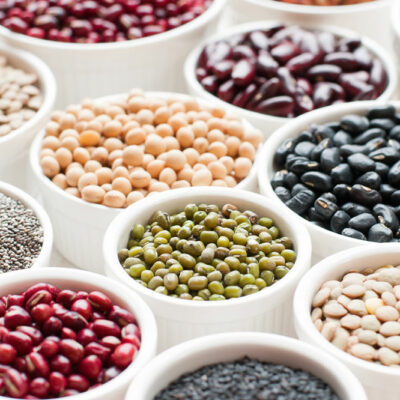
Rheumatoid arthritis is a disease caused by the immune system attacking the joints in the body resulting in swelling, pain, and inflammation. This illness can affect people of all age groups. The exact cause is still unknown, and there is no permanent cure for the condition. However, early treatment and lifestyle changes can relieve the symptoms and discomfort associated with rheumatoid arthritis. Important changes include adding certain foods that help combat inflammation.  Best foods to manage symptoms Although several treatment options can help relieve the associated symptoms, adding certain foods to one’s daily meals may also ease the discomfort. Some of these foods are:  Beans This food is packed with fiber, which can help lower the level of C-reactive protein (CRP), leading to less inflammation. Beans are also a rich source of magnesium, protein, folic acid, zinc, and potassium. So it is advised to regularly consume kidney, red, and pinto beans to fight inflammation and boost immunity.  Cherries Cherries contain anthocyanins—a chemical that is a potent antioxidant and helps manage inflammation. In addition, the fruit also helps in fighting against cell damage to make the bones and joints get stronger. So, people with the condition should opt for freshly picked cherries every day to help build strength and reduce the inflammation caused by rheumatoid arthritis.  Carrots Carrots and other orange-colored vegetables are rich sources of beta-carotene and vitamin A, which help the body fight against inflammation.
Multiple Sclerosis – Early signs and foods to avoid
health

Multiple Sclerosis – Early signs and foods to avoid

The immune system is responsible for saving the body from harmful pathogens. A well-developed immune system protects us from most health conditions. However, there are times when the immune system may act strangely and begin to attack the body’s healthy cells, which leads to autoimmune disorders. Multiple sclerosis is a severe and dangerous autoimmune condition that impacts the brain and the spinal cord. It can lead to many early symptoms, such as those listed below. Vision Due to the condition’s connection to the optic nerve, MS patients often experience vision loss or double vision. Mobility The deterioration of myelin sheath causes miscommunication within the nervous system, which is often seen in the form of loss of balance, vertigo, and dizziness. Numbness One of the most common symptoms of MS is numbness caused by the damage to the nerves that carry signals to the brain. Fatigue Persistent fatigue and weakness are among the most common early signs of MS. Most often, what we eat can impact our overall well-being. It is therefore vital to choose our meals and beverages wisely. Here are some of the foods that are better to be avoided, as they can contribute to the progression of MS:
What does ADHD look like in children
health

What does ADHD look like in children

At times, it is normal if your child forgets something, daydreams in school acts without thinking, or gets restless at the dinner table. When this behavior is fused with frequent bouts of inattention, hyperactivity, and impulsivity, it may be a sign of attention deficit hyperactivity disorder or ADHD. ADHD is one of the most common neurodevelopmental disorders that generally appear in early childhood. Research reveals that one in ten children between the ages of 5 and 17 years is diagnosed with ADHD in the country. ADHD in children is often associated with the problems they face at school—being inattentive most of the time, losing things, and more. It is a common observation that young boys are more likely to be diagnosed with the disorder than young girls, which may be because one of the significant symptoms of ADHD, hyperactivity, is more pronounced in boys’ behavior. A few girls might also display the classic symptoms of hyperactivity, but it’s rare among them. In girls, the disorder mainly manifests in the form of continually daydreaming or over-talkativeness. However, parents must realize that many ADHD symptoms might only be typical childhood behaviors and can vary from child to child, which makes ADHD a challenging disorder to diagnose.
7 superfoods that help fight colon cancer
health

7 superfoods that help fight colon cancer

Colon cancer is cancer of the large intestine—the part of the body that plays a crucial role in digestion and waste elimination. Cancer is a serious and life-threatening condition, and it is essential to follow the doctor’s instructions when dealing with it. Poor eating habits increase the risk of colon cancer, so in addition to treatment, some superfoods can improve gut health and boost immunity. Here are some foods that can help manage colon cancer: Beans and legumes Beans and legumes are great options when it comes to combating colon cancer. Specifically, black beans contain certain fatty acids that protect against the growth of certain cancer cells. Berries Berries contain high levels of antioxidants and phytonutrients that are good for our gut health. Certain berries, such as black raspberries, contain high levels of anthocyanins, which restricts the growth of cancer cells in the body. Carrots Carrots contain beta-carotene, which can curtail the growth of abnormal cells. They also have other nutrients that can protect one against other types of cancer. Fish Fish like salmon and herring are rich in omega-3 fatty acids, which are important for maintaining heart health and can fight the growth of new cancer cells. Cruciferous vegetables Vegetables like broccoli, kale, cabbage, and cauliflower contain substantial amounts of sulforaphane, which can minimize cancer risk and improve the body’s immunity.

Top Articles

Symptoms, causes, and risks of peptic ulcer
health

Symptoms, causes, and risks of peptic ulcer

Peptic ulcer affects about 4.6 million Americans every year. Peptic ulcer results in open sores forming on the upper portion of the small intestine and the inside lining of the stomach. The first one is known as the duodenal ulcer, and the second type is known as a gastric ulcer. Read on to know more about its symptoms, causes, and risks associated with this condition. Symptoms of peptic ulcer If you feel a burning pain in the stomach, then it can be a sign of peptic ulcers, as it is the most common symptom of the disease. The pain can get worse at night or between meals. The acid in your stomach makes it worse. Other than the pain, some other common symptoms of peptic ulcers include feeling bloated or full, intolerance to fatty food, nausea, and heartburn. Apart from these, the other signs may include: Vomiting with the presence of blood Presence of dark blood in the stool Trouble in breathing Feeling faint Nausea Sudden weight loss Change in appetite Taking acid blockers can relieve the pain temporarily. If it keeps coming back, you need to contact your doctor. Causes of peptic ulcer Stomach conditions may have a variety of causes, which is true for peptic ulcers too.
Heart disease – Symptoms, causes, and risk factors
health

Heart disease – Symptoms, causes, and risk factors

Several diseases are included under the umbrella term of heart diseases and are also called cardiovascular diseases. They lead to the blood vessels becoming narrow or getting blocked, which, in turn, can result in a heart attack or stroke or cause pain in the chest. Other heart conditions affect the heart’s muscle, rhythm, or valve. Symptoms The symptoms vary according to the condition diagnosed. The symptoms of common cardiovascular diseases are discussed below. Symptoms of atherosclerotic disease Pain in the chest or feeling a sense of tightness or discomfort in the area Shortness of breath Limbs feeling numb or severely cold if the blood vessels have narrowed in the area, as it affects blood circulation Pain in the jaw, back, upper abdomen, or neck Symptoms of abnormality in the heartbeat or arrhythmia Fluttering sensation in the chest Racing or slow heartbeat Discomfort or pain in the chest Feeling dizzy or fainting Light-headedness Symptoms of heart defects or related conditions Skin color turning blue or pale gray Abdominal swelling or swelling in the area surrounding the eyes Shortness of breath while feedings in case of an infant Symptoms of dilated cardiomyopathy Breathlessness Swelling in the legs, feet, and ankles Feeling a sense of fatigue and dizziness Irregular heartbeat Symptoms related to heart infections Fever Shortness of breath Feeling weak Change in the heart rhythm Persistent cough Skin rashes Causes The causes vary depending on the type of heart disease one is affected with.
Symptoms, causes, and risk factors of immune system disorder
health

Symptoms, causes, and risk factors of immune system disorder

The immune system is referred to as the defense system that protects the body against different kinds of diseases. The stronger the immune system, the higher will be the chances of the body staying away from diseases. Suffering from immunodeficiency or immune system disorder is a cause of concern and must be immediately addressed. Symptoms Cold hands If the blood vessels suffer from inflammation, it gets difficult for the ears, toes, fingers, and nose to stay warm. The affected portion of the skin turns white. Slowly, the color changes into blue when these areas are further exposed to some cold object or atmosphere. When the flow of the blood becomes normal, the skin turns back to red. Medical experts refer to this as the Raynaud’s phenomenon. It is one of the most commonly observed symptoms of immune system disorder. Dry eyes When a person is suffering from an autoimmune disorder, his immune system, instead of protecting his body against diseases, attacks it. Lupus and rheumatoid arthritis are two of the most common examples of this condition. People who suffer from an autoimmune disorder tend to have dry eyes. The person will feel the presence of some grainy object when this happens.
Common joint conditions and their symptoms and risk factors
health

Common joint conditions and their symptoms and risk factors

Joint conditions are commonly associated with increasing age, but they can also be a result of injuries or may develop due to other medical conditions affecting bone and joint health. Arthritis, a commonly diagnosed joint condition, has over 200 types. Depending on the severity of the disease, these conditions can also affect a patient’s quality of life. Read on to know the symptoms, causes, and factors that increase one’s risk of developing joint conditions. Symptoms of joint conditions The following are some of the symptoms that most joint conditions are accompanied by: Joint stiffness Weakness in the joints Inflammation, swelling, and redness of the affected joint Limping due to pain and stiffness Joint getting locked Tearing of the cartilage Commonly-diagnosed joint conditions and their causes Osteoarthritis This form of arthritis involves the wear-and-tear of the joint’s cartilage, which means the risk of developing this disease elevates with age. The cartilage plays the role of a cushion between the bones in order to prevent friction that can cause damage. Damaged cartilage due to this condition results in the bones losing their protection and clashing, causing pain and restricting movement and flexibility. This usually occurs gradually, but it can also develop suddenly in the case of an infection or injury.
All you need to know about menopause
health

All you need to know about menopause

Menopause marks the end of a woman’s menstrual cycles. It is typically diagnosed after a year of no menstrual periods, but it begins much before that. Menopause occurs in your forties and even fifties, but the average age when it occurs in the US is 51. While it is a natural and biological process, the physical symptoms and the hot flashes may cause disruptions in your sleep and even affect your emotional health in general. There are plenty of treatments available. But, to get started, you need to know what the condition looks and feels like. Here are the symptoms, causes, and complications related to menopause. Symptoms of menopause In the time leading up to menopause, you may experience some common symptoms such as irregularity in periods, dryness in the vagina, as well as hot flashes. Some people also experience chills, sleep problems, mood swings, and night sweats. Weight gain and slowed metabolism are two other symptoms that commonly occur with menopause. Menopausal women may even experience dry skin and thinning hair on a regular basis. However, this is not to say that all women experience these symptoms. Different women go through different issues. Depending on your health in general, you may experience varying levels of symptoms.
Mental health conditions – What you should know
health

Mental health conditions – What you should know

Millions of people live with different types of mental illnesses and health problems. These include obsessive-compulsive disorder, social anxiety, and personality disorders. All of these come under the umbrella of mental health. In this article, we will cover the symptoms, causes, and risk factors of some common mental health disorders such as obsessive-compulsive disorder (OCD), post-traumatic stress disorder (PTSD), and clinical depression to help you understand them better. Symptoms The common symptoms of mental health disorders include: Obsessive-compulsive disorder People with OCD may present the following symptoms: Constant fear of contamination and extra emphasis on cleanliness Signs of hoarding and counting belongings continuously Signs of excessive concern toward personal safety Post-traumatic stress disorder Somebody suffering from PTSD may show the following symptoms: Constantly suffering through intrusive memories Negative patterns in mood and mindset Trying to avoid thinking of the traumatic event Feeling changes in emotional and physical reactions Clinical depression The symptoms of clinical depression include: Being moody and experiencing different emotions, such as aggressiveness, anxiousness, and restlessness Adverse effect on sexual life A decline of cognitive abilities Poor sleep patterns If you notice any of these symptoms, we recommend consulting with a mental health doctor immediately. Causes The common causes of any mental health disorder include the following: