4 nutrition tips to manage PAH better
health

4 nutrition tips to manage PAH better

Pulmonary arterial hypertension or PAH is high blood pressure in the lungs. PAH occurs in the small arteries, and it obstructs blood flow in the lungs, which causes a series of symptoms such as COPD (chronic obstructive pulmonary disease) and asthma. PAH is a rare condition, and only one to two out of a million people in our country suffer from it. Apart from medications, the following nutrition tips can provide relief from PAH symptoms. Eat more garlic One of the major causes of pulmonary arterial hypertension is restricted blood flow in the lungs. Garlic contains a compound called allicin, which helps widen blood vessels and ease the restricted blood flow, thereby controlling blood pressure. You can eat both raw or cooked garlic to reap its benefit. However, doctors recommend eating raw garlic within an hour of chopping to relieve the benefits of allicin. Avoid stimulants Stimulants that worsen pulmonary arterial hypertension symptoms may be hiding in plain sight. For instance, caffeinated beverages such as coffee, carbonated beverages, and other stimulants like alcohol can aggravate PAH. So, doctors recommend replacing the morning “cuppa joe” with freshly squeezed fruit juices and that peg of scotch with a mocktail. Cutting back on these stimulants can also help PAH patients sleep better.

Enlarged prostate: 5 foods that help improve the symptoms
health

Enlarged prostate: 5 foods that help improve the symptoms

The prostate is a small, rubbery gland in the male reproductive system that produces seminal fluid. The seminal fluid mixes with the sperm from the testes and helps it travel and survive. An enlarged prostate (benign prostatic hyperplasia (BPH)) is a common condition where the prostate obstructs the urethra and affects urine flow from the bladder. This article has listed five foods and treatments to help treat and manage an enlarged prostate. Sesame seeds Sesame seeds, almonds, and pumpkin seeds contain good levels of zinc that get absorbed by the body. Since people affected by BPH have lower zinc levels, this food can help replenish the mineral. Tomatoes Tomatoes are rich in lycopene, a powerful antioxidant that helps reduce the risk of BPH. Eating cooked tomatoes is known to curb the symptoms of an enlarged prostate and reduce any prostatic inflammation. Consume lycopene-rich foods with healthy fats to enhance their healing effects. Salmon Salmon is rich in omega-3 fatty acids, healthy fats praised for their inflammation-reducing properties. Other fish include tuna and mackerel, which are also efficient omega-3 sources. Vegetables Leafy vegetables are rich in antioxidants and minerals required for the body to function properly. Add veggies like bell peppers, onions, spinach, garlic, and broccoli to your meals for a healthier prostate.
Anemia – 6 foods to eat
health

Anemia – 6 foods to eat

Anemia is caused by the lack of healthy red blood cells (RBCs) to carry sufficient oxygen to the tissues. This can be due to acute blood loss, the body’s inability to make RBCs, or the destruction of these cells. The condition can be managed by making changes in lifestyle and eating habits. Since proper food intake is crucial for alleviating anemia, let’s look at the recommended foods for those with this condition. Foods to eat Dark leafy greens like spinach Kale, spinach, collard greens, Swiss chard, and dandelion greens are all great sources of nonheme iron, which is essential for healthy living. Swiss chard and collard, specifically, are also high in folate. Eating folate-rich foods is necessary to avoid folate deficiency anemia. Organ meat like liver Liver, heart, kidney, and beef tongue are some popular organ meat choices rich in iron. That said, it is essential to ensure that the meat is hygienic, sustainably sourced, and toxin-free. Seafood like tuna Seafood is known to be a good source of heme iron. Fish like tuna, mackerel, pompano, fresh perch, salmon, or even mahimahi are rich in heme iron. Those who articularly like shellfish can have oysters, clams, crabs, shrimps, and scallops, as these too are good sources of iron.
3 foods for depression management
health

3 foods for depression management

Depression is a growing concern among health care workers as well as the populace. The fact that the condition is not restricted to a demographic makes it even more difficult to deal with. Being mindful about the food being consumed or daily habits have proven to be beneficial for depression and other mental health conditions. Here are three foods that work tirelessly towards better management of depression and its symptoms. Sweet potato Sweet potatoes are a staple of many festive meals. But research shows that they may just be the perfect food for all seasons. Sweet potatoes are rich in many nutrients such as vitamin A, beta-carotene, and fiber. They are also rich sources of magnesium, which is known to reduce the levels of stress and anxiety in the body. Lower levels of magnesium have been linked to depression and insomnia. The complex carbohydrates present in sweet potatoes are also known to improve one’s mood, making it an ideal food source to manage depression symptoms. Dark chocolate Chocolates are considered unhealthy in most cases, but if it is the dark and unsweetened kind, it has several health benefits, especially for people with a mental health condition. The large quantities of antioxidants found in a bar of dark chocolate not only help manage stress but also lends a helping hand in managing anxiety and depression.
5 most common food allergies
health

5 most common food allergies

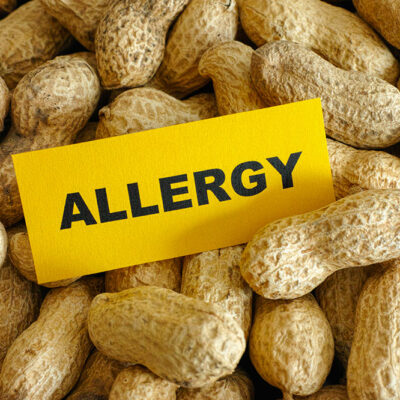
Food allergy is common in both children and adults. It is a condition in which a person’s immune system erroneously identifies specific components in food, typically protein, as enemies. As a result, it triggers an immune response that causes inflammation and other symptoms, such as diarrhea, rashes, shortness of breath, and even life-threatening anaphylaxis. Though nearly any food can trigger an allergic reaction, the following are more likely to cause a problem. Peanuts Peanuts are one of the most common causes of food allergies in humans. And the biggest concern is that allergic reactions caused by them can be severe and potentially fatal. Researchers are not sure why some are allergic to peanuts, but they maintain that a family history of peanut allergy increases an individual’s risk. Milk Milk allergy is the most common food allergy in infants and young children. However, most children grow out of it as they age. The problematic components in milk are its proteins—whey and casein. Milk allergy must not be confused with lactose intolerance, which is the body’s inability to fully digest the natural sugar (lactose). Wheat Approximately two-thirds of children with wheat allergy grow out of it by adolescence. Nevertheless, many adults are allergic to any of the hundreds of proteins found in wheat, causing symptoms like nausea, abdominal pain, itching, and even anaphylaxis.
Odors as asthma triggers – What one needs to know
health

Odors as asthma triggers – What one needs to know

People who have eosinophilic asthma usually exhibit high levels of eosinophils, a type of white blood cell that helps build a strong immune system. However, when abnormally high levels of eosinophils come in contact with the cells present in the airways, they can cause inflammation. Eosinophilic asthma can also cause type-2 inflammation, resulting in decreased lung function. The following article specifically focuses on allergens like smells that trigger the symptoms of asthma. Symptoms of asthma A person who has inhaled asthma-triggering odors may exhibit symptoms like shortness of breath, wheezing when exhaling, and frequent coughing. Shortness of breath may be caused due to decreased lung function or inflamed air passages in the case of eosinophilic asthma type-2 inflammation. Odors that trigger the symptoms of asthma The symptoms may be caused due to a variety of allergens, including dust, dander, or pollen. While these allergens can be avoided to a certain extent, allergens like gases and aerosols can be a challenge to avoid. Statistics suggest that more than 40 percent of people with asthma report health problems due to odors. The odors that trigger asthma symptoms include: Household smells These include air fresheners, chlorine and bleach (present in cleaning products), colognes and perfumes, deodorants, furniture polish (wood varnish), nail polish remover, fireplaces, and wood-burning stoves.
6 worst foods for people with breathing problems
health

6 worst foods for people with breathing problems

Leading a regular life becomes quite challenging when one faces breathing troubles sporadically. Breath-related issues, such as shortness of breath, coughing, wheezing, and pain or pressure in the chest are usually symptoms of lung diseases like MAC disease and COPD. Certain foods we regularly eat can negatively affect our lungs and exacerbate breathing problems. So, this article lists some common foods one must avoid to ease breathing issues and control MAC disease and COPD symptoms. 1. Fried foods Fried foods, such as French fries, fried chicken, and potato chips, are among the unhealthiest foods anyone can eat. These foods can cause gas and bloating, making breathing more difficult in those suffering from breath-related conditions. Fried foods, being calorie-dense, can also lead to weight gain, which increases pressure on the lungs. 2. Salty foods Too much salt spells more trouble when you’re suffering from breathing problems. That’s because salt, or sodium, can cause fluid retention in the body, triggering high blood pressure and shortness of breath. Steer clear of various high-salt foods like canned soup, pasta sauce, and tortilla chips, and replace salt with spices and herbs in dinner recipes. 3. Processed meats Ham, hot dogs, sausages, and other processed meats are usually loaded with nitrates to improve color and prolong shelf life.
Top easy at-home teeth whitening tips
beauty

Top easy at-home teeth whitening tips

Oral health is essential, but despite that, most often easily neglected by individuals. While it is recommended to visit a dentist regularly, there are some tips and tricks that we can use at home to make sure our teeth are healthy, clean, and white! Here are some ways on how you can keep your teeth shiny and white through safe and tested methods. Do speak to your dentist before using these tips regularly at home. Easy at-home teeth whitening tips Whitening trays and strips You can easily find reputed whitening strips and trays which contain a bleaching agent called hydrogen peroxide. These strips are applied directly to the enamel to see desirable results. Activated charcoal whitener Charcoal whiteners have three very effective ingredients, namely activated charcoal, bentonite, and an oil like orange seed oil. These whiten the teeth by getting absorbed into them. Teeth whitening pastes These pastes contain ingredients such as sodium bicarbonate, hydrated silica, and calcium carbonate that remove stains from the teeth and polish them. Whitening packs These whitening packs are to be applied directly onto your teeth. You can do so at night after brushing your teeth. The pack is to be used as per instructions.
Foods and remedies to help manage Parkinson’s
health

Foods and remedies to help manage Parkinson’s

Parkinson’s is a degenerative neurological disorder that commonly affects senior individuals. However, there are times when patients are diagnosed with the early onset of the condition. The disease is associated with a lower amount of dopamine in the brain and damaged nerve cells. Dealing with a condition such as Parkinson’s does not have a specific to-do not-to-do plan; however, there are certain foods that are believed to aid in its management. Foods that help manage Parkinson’s Bananas Bananas contain magnesium, a critical nutrient that helps lower the risk of spasm and muscle cramps. Patients with Parkinson’s are also low on dopamine, an essential neurotransmitter that regulates communication linked to movement. Bananas contain tryptophan and tyrosine, both key building blocks of dopamine that help supplement this requirement. Berries Studies reveal that free radicals can damage healthy brain cells and worsen the cognitive symptoms linked to Parkinson’s. Blueberries, cranberries, strawberries, raspberries, blackberries, goji berries, and elderberries are loaded with essential antioxidants and vitamin C to combat this stress and boost cognitive function. Berries are also loaded with fiber that helps manage constipation, one of the critical discomforts linked to the disease.  Broccoli Green vegetables are rich in fibers and antioxidants that actively help combat oxidative stress to minimize dopamine loss.
Top 5 foods for managing osteoporosis
health

Top 5 foods for managing osteoporosis

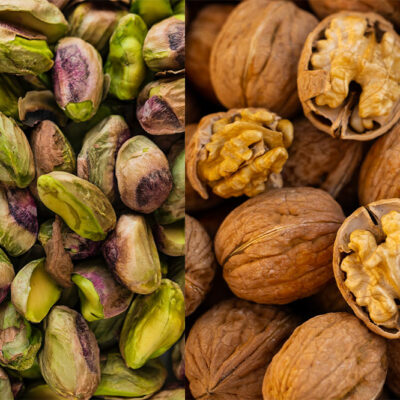
When the body fails to replace older bone tissues with newer ones, it leads to osteoporosis. It is a condition that results in weak and brittle bones. Osteoporosis increases the risk of bone fractures and is often diagnosed late due to limited symptoms. So, it is important to look after your nutritional requirements to maintain bone health to avoid any health complications. To help you, here are the top five foods for managing osteoporosis. Nuts Nuts are a convenient and tasty remedy that also enhances the effect of bone density supplements for osteoporosis. You should include an assortment of almonds, walnuts, pistachios, pine nuts in your daily snacks. Nuts are replete with minerals like calcium, phosphorus, magnesium, and manganese, ensuring bone health. Milk Milk and milk products are superfoods that strengthen bone density. The recommended intake of dairy products is three servings a day. However, low-fat or skimmed milk is better as they contain less fat. Alternatively, soy milk and products are also good sources of calcium. Fatty fish Fatty fish include options like tuna, mackerel, salmon, and more. They are rich sources of omega-3 fatty acids, antioxidants, vitamins A, C, D, and E and are high in protein content.

Top Articles

Symptoms, causes, and risks of peptic ulcer
health

Symptoms, causes, and risks of peptic ulcer

Peptic ulcer affects about 4.6 million Americans every year. Peptic ulcer results in open sores forming on the upper portion of the small intestine and the inside lining of the stomach. The first one is known as the duodenal ulcer, and the second type is known as a gastric ulcer. Read on to know more about its symptoms, causes, and risks associated with this condition. Symptoms of peptic ulcer If you feel a burning pain in the stomach, then it can be a sign of peptic ulcers, as it is the most common symptom of the disease. The pain can get worse at night or between meals. The acid in your stomach makes it worse. Other than the pain, some other common symptoms of peptic ulcers include feeling bloated or full, intolerance to fatty food, nausea, and heartburn. Apart from these, the other signs may include: Vomiting with the presence of blood Presence of dark blood in the stool Trouble in breathing Feeling faint Nausea Sudden weight loss Change in appetite Taking acid blockers can relieve the pain temporarily. If it keeps coming back, you need to contact your doctor. Causes of peptic ulcer Stomach conditions may have a variety of causes, which is true for peptic ulcers too.
Heart disease – Symptoms, causes, and risk factors
health

Heart disease – Symptoms, causes, and risk factors

Several diseases are included under the umbrella term of heart diseases and are also called cardiovascular diseases. They lead to the blood vessels becoming narrow or getting blocked, which, in turn, can result in a heart attack or stroke or cause pain in the chest. Other heart conditions affect the heart’s muscle, rhythm, or valve. Symptoms The symptoms vary according to the condition diagnosed. The symptoms of common cardiovascular diseases are discussed below. Symptoms of atherosclerotic disease Pain in the chest or feeling a sense of tightness or discomfort in the area Shortness of breath Limbs feeling numb or severely cold if the blood vessels have narrowed in the area, as it affects blood circulation Pain in the jaw, back, upper abdomen, or neck Symptoms of abnormality in the heartbeat or arrhythmia Fluttering sensation in the chest Racing or slow heartbeat Discomfort or pain in the chest Feeling dizzy or fainting Light-headedness Symptoms of heart defects or related conditions Skin color turning blue or pale gray Abdominal swelling or swelling in the area surrounding the eyes Shortness of breath while feedings in case of an infant Symptoms of dilated cardiomyopathy Breathlessness Swelling in the legs, feet, and ankles Feeling a sense of fatigue and dizziness Irregular heartbeat Symptoms related to heart infections Fever Shortness of breath Feeling weak Change in the heart rhythm Persistent cough Skin rashes Causes The causes vary depending on the type of heart disease one is affected with.
Symptoms, causes, and risk factors of immune system disorder
health

Symptoms, causes, and risk factors of immune system disorder

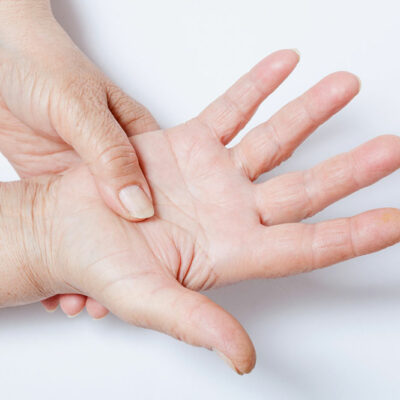
The immune system is referred to as the defense system that protects the body against different kinds of diseases. The stronger the immune system, the higher will be the chances of the body staying away from diseases. Suffering from immunodeficiency or immune system disorder is a cause of concern and must be immediately addressed. Symptoms Cold hands If the blood vessels suffer from inflammation, it gets difficult for the ears, toes, fingers, and nose to stay warm. The affected portion of the skin turns white. Slowly, the color changes into blue when these areas are further exposed to some cold object or atmosphere. When the flow of the blood becomes normal, the skin turns back to red. Medical experts refer to this as the Raynaud’s phenomenon. It is one of the most commonly observed symptoms of immune system disorder. Dry eyes When a person is suffering from an autoimmune disorder, his immune system, instead of protecting his body against diseases, attacks it. Lupus and rheumatoid arthritis are two of the most common examples of this condition. People who suffer from an autoimmune disorder tend to have dry eyes. The person will feel the presence of some grainy object when this happens.
Common joint conditions and their symptoms and risk factors
health

Common joint conditions and their symptoms and risk factors

Joint conditions are commonly associated with increasing age, but they can also be a result of injuries or may develop due to other medical conditions affecting bone and joint health. Arthritis, a commonly diagnosed joint condition, has over 200 types. Depending on the severity of the disease, these conditions can also affect a patient’s quality of life. Read on to know the symptoms, causes, and factors that increase one’s risk of developing joint conditions. Symptoms of joint conditions The following are some of the symptoms that most joint conditions are accompanied by: Joint stiffness Weakness in the joints Inflammation, swelling, and redness of the affected joint Limping due to pain and stiffness Joint getting locked Tearing of the cartilage Commonly-diagnosed joint conditions and their causes Osteoarthritis This form of arthritis involves the wear-and-tear of the joint’s cartilage, which means the risk of developing this disease elevates with age. The cartilage plays the role of a cushion between the bones in order to prevent friction that can cause damage. Damaged cartilage due to this condition results in the bones losing their protection and clashing, causing pain and restricting movement and flexibility. This usually occurs gradually, but it can also develop suddenly in the case of an infection or injury.
All you need to know about menopause
health

All you need to know about menopause

Menopause marks the end of a woman’s menstrual cycles. It is typically diagnosed after a year of no menstrual periods, but it begins much before that. Menopause occurs in your forties and even fifties, but the average age when it occurs in the US is 51. While it is a natural and biological process, the physical symptoms and the hot flashes may cause disruptions in your sleep and even affect your emotional health in general. There are plenty of treatments available. But, to get started, you need to know what the condition looks and feels like. Here are the symptoms, causes, and complications related to menopause. Symptoms of menopause In the time leading up to menopause, you may experience some common symptoms such as irregularity in periods, dryness in the vagina, as well as hot flashes. Some people also experience chills, sleep problems, mood swings, and night sweats. Weight gain and slowed metabolism are two other symptoms that commonly occur with menopause. Menopausal women may even experience dry skin and thinning hair on a regular basis. However, this is not to say that all women experience these symptoms. Different women go through different issues. Depending on your health in general, you may experience varying levels of symptoms.
Mental health conditions – What you should know
health

Mental health conditions – What you should know

Millions of people live with different types of mental illnesses and health problems. These include obsessive-compulsive disorder, social anxiety, and personality disorders. All of these come under the umbrella of mental health. In this article, we will cover the symptoms, causes, and risk factors of some common mental health disorders such as obsessive-compulsive disorder (OCD), post-traumatic stress disorder (PTSD), and clinical depression to help you understand them better. Symptoms The common symptoms of mental health disorders include: Obsessive-compulsive disorder People with OCD may present the following symptoms: Constant fear of contamination and extra emphasis on cleanliness Signs of hoarding and counting belongings continuously Signs of excessive concern toward personal safety Post-traumatic stress disorder Somebody suffering from PTSD may show the following symptoms: Constantly suffering through intrusive memories Negative patterns in mood and mindset Trying to avoid thinking of the traumatic event Feeling changes in emotional and physical reactions Clinical depression The symptoms of clinical depression include: Being moody and experiencing different emotions, such as aggressiveness, anxiousness, and restlessness Adverse effect on sexual life A decline of cognitive abilities Poor sleep patterns If you notice any of these symptoms, we recommend consulting with a mental health doctor immediately. Causes The common causes of any mental health disorder include the following: