7 foods that can worsen respiratory conditions
health

7 foods that can worsen respiratory conditions

Asthma is a respiratory condition where the airways narrow, swell, and produce extra mucus. These factors make it difficult for the person to breathe and trigger wheezing and coughing. Apart from treatment and home remedies, people with asthma tend to eat foods that can boost their recovery. But not all foods are suitable, and some may even worsen the condition. Here are seven such foods that may trigger severe respiratory symptoms. Eggs Eggs contain healthy nutrients, including proteins, vitamins, and minerals. However, asthma patients prone to egg allergies should avoid them. Egg allergies generally lead to reactions on the skin, such as hives. Eating eggs can also cause inflammation in the respiratory tract and lead to an asthma attack. Soda Soda produces gas, which may apply pressure on the diaphragm. The excessive pressure may make it difficult to breathe, worsening the symptoms of asthma and other respiratory disorders. Bread Bread is a wheat-based product that may also cause allergic reactions because of its gluten content. Those allergic to gluten are likely sensitive to albumin and globulin. These are amino acids that lead to inflammation in the respiratory tract and subsequently cause an asthma attack. Dried fruits Despite their healthy nature, people with asthma must avoid dried fruits.

7 foods one should avoid before bedtime
health

7 foods one should avoid before bedtime

Finding it hard to sleep at night? Staying away from your phone and reducing psychological stress can help, but these are not enough. You also need to be wise when choosing foods late in the evening and before bedtime. Some foods have ingredients that can induce insomnia and cause tummy troubles, making it hard to sleep well at night. Below, we’ve listed seven such foods you should avoid eating before hitting the sack. Chocolate Post-dinner chocolate cravings are pretty common, but it’s not good when struggling to get proper sleep. Chocolates, especially dark chocolate, contain lots of caffeine, which can prevent you from getting deep, restful sleep. Coffee Talking about caffeine, it’s hard not to mention coffee. A shot of espresso is a go-to late-night drink for many, but it can hurt your objective of sound sleep. Coffee contains very high levels of caffeine, more than dark chocolate. So, it’s best to avoid any type of coffee at least six hours before bedtime. Potato chips Potato chips are fried foods loaded with unhealthy fats. Such foods take long to digest, cause indigestion, and can keep you up at night. Some studies even show that eating lots of fried, greasy foods can cause disturbing dreams.
Foods to avoid for better eye health
health

Foods to avoid for better eye health

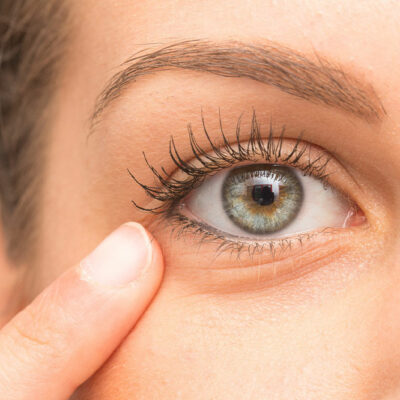
The foods we eat play a significant role, and that dictates how our organs function. The eyes are vascular, and it is necessary to eat nutritious foods to keep the blood vessels in good health. Eating unhealthy foods may block the veins that provide the eyes with the essential nutrients and oxygen. Such restrictions may affect one’s vision. Keeping this in mind, here are five foods that can worsen eye health. Margarine Margarine is considered a healthy alternative to butter, as it is made from vegetable oils. However, it still contains trans fats. These fats may increase a person’s cholesterol levels and put them at risk of heart diseases and eye problems. Red meat Red meat contains preservatives like salt, cholesterol, and fat, making them tasty and increasing their shelf life. However, these chemicals may harm one’s health and lead to high blood pressure. Such pressure spikes can lead to Choroidopathy, a fluid buildup below the retina. Fish Several fish are rich in omega-3 fatty acids and may offer health benefits. However, fish also contain hints of mercury. People who eat lots of fish may be at risk of eye damage because of the chemical element. Coffee Coffee contains caffeine, an energy-boosting component that helps people stay active.
4 common things that affect vision
health

4 common things that affect vision

Quite a few things can cause bad eyesight, and one of these major factors is aging. However, there are some day-to-day choices we make and activities we partake in that slowly but surely impact our eyesight. This article discusses some obvious and not-so-obvious things that weaken our vision and force us to visit an ophthalmologist. Most of these causes are rooted in lifestyle habits and linked to preexisting health conditions. Too much screen time Sitting on the computer for extended hours is quite detrimental to eye health. The majority of the population spends time staring at their laptops, phones, or television. Screen pixels on the screen emit blue rays. While these rays are not as harsh on the eyes as UV rays, they have a better penetrative range and can end up causing deeper damage. Other side-effects of extended screen time include dry eyes, pricking of the eyes, strained eyesight, and headaches that can result in progressive worsening of the condition. Rubbing the eyes Rubbing the eyes can be an unconscious reaction for those dealing with dry eyes. It’s difficult to control the urge when allergies trigger itchy eyes. This can damage the cornea and increase pressure on the eyes.
5 things to avoid before bed for better sleep
health

5 things to avoid before bed for better sleep

You may experience nights where no matter how tired you feel, your mind refuses to let you sleep. This could happen despite going to bed at a reasonable hour after a tiresome day. You might even buy a mattress from popular brands like Tempur-Pedic, Sleep Number, Saatva, Essentia, or Wilderness RV Mattress and yet lack eight hours of sleep. So, if you want a good night’s rest, avoid doing these five things before sleeping: 5 things to stay away from before going to bed Using electronics Nine times out of ten, people scroll through various social media sites after getting into bed. The blue light from the gadgets and the constant stimulation from the media keep your mind awake and make it difficult to fall asleep early. Instead of reaching for your phone or laptop before bed, reach for a calming book to get a good night’s sleep. Eating a large, heavy meal Consuming an entire pizza or a couple of tacos may not be the best idea to eat right before hitting the bed. Our digestive system is meant to rest while we sleep. The process of digestion is also the slowest at night, and a heavy meal can cause complications like disturbed sleep.
4 foods that may worsen breathing difficulties
health

4 foods that may worsen breathing difficulties

In most asthma cases, food allergies and intolerances will trigger inflammation or result in the narrowing of the lung airways. An estimated 19 million individuals in the country have mild to moderate asthma, and it is vital for them to monitor their food intake. Drastic changes in daily eating habits will not necessarily help; however, moderation lowers the risk of flareups. Here are 4 such foods that trigger breathing difficulties for those with asthma. 4 foods that worsen breathing issues in asthma Foods high in fat content Red meats are heavily processed and contain saturated fats, which leads to an increase in LDL (low-density lipoprotein) levels in the body. Most saturated and processed fats tend to worsen symptoms like inflammation, causing difficulty breathing. The risk is especially high among people who suffer from conditions like asthma or COPD. Dairy foods and beverages Whole milk (the full fat variant) can trigger excess mucous production when the body breaks down the dairy product during digestion. Mucous buildup in the lungs increases the risk of infection and worsens the inflammation linked to asthma flareups. Preservatives and artificial sweeteners Most foods bought off the shelves in the supermarket are laced with preservatives and additives to increase their shelf life.
5 odors that trigger migraines
health

5 odors that trigger migraines

Migraines can cause a throbbing sensation on one side of the head. It may even lead to symptoms like nausea and vomiting. But most of all, migraines can affect our daily life and force us to call in sick after a day at work. They are triggered by many factors, the most common one being osmophobia, a sensitivity to smell. Here are five smells that are toxic for those who suffer from migraines. Perfumes Most of us love wearing perfumes, but those sensitive to smell dread such fragrances. Perfumes contain odorants, substances that give off a unique scent, which, when inhaled, lead to symptoms of migraines like headaches and nausea. The effects of perfume odorants on people with osmophobia are noticed within a few minutes. Pesticide fumes Pesticides contain several chemicals intended to eliminate pests. However, people who work with such chemicals often inhale the fumes, which leads to adverse effects on their health. The side effects of inhaling such fumes include headaches, nausea, and vomiting. These are also common symptoms of migraines. Car exhaust gas Those susceptible to migraines may notice that even mild exposure to car exhaust may trigger the condition. Car exhaust emissions contain carbon monoxide, a toxic gas.
5 foods that are surprisingly sugar-rich
health

5 foods that are surprisingly sugar-rich

Diabetes is an autoimmune disease, and food plays an important role in managing its symptoms and related complications. Most severe cases of diabetes are a result of long-term consumption of foods that heighten insulin resistance, increasing blood sugar levels. While we may be aware of obviously sugary foods that aggravate diabetes, there are some seemingly healthy options that can actually cause a lot of harm. Given below are five such foods diabetes patients should avoid. 5 foods that are surprisingly sugar-rich Flavored yogurt The next time you are out buying a healthy snack like flavored yogurt, take a peek at the ingredients and nutrition label. Store-bought flavored yogurt may contain sweeteners in the form of artificial flavors. Switch to plain yogurt and add your favorite fruits to enhance the taste. Breakfast cereals While your preferred breakfast cereals may contain whole grains and be fortified with vitamins, they do contain some amount of sugar that can cause an imbalance in the blood sugar levels. Hence check the label before picking a brand and choose from the ones that have the least amount of sugar. Granola bars Granola bars have gained popularity due to their healthy ingredients like cereals, nuts, and seeds.
Healthy snack ideas for diabetics
health

Healthy snack ideas for diabetics

Diabetes is an illness in which the sugar levels in the blood are either too high or too low. This condition can be managed with a strict meal plan that ensures the body’s insulin levels do not exceed the normal amount. However, the urge to snack can be random and unplanned. For such an occasion, here are some safe snacking options for those with diabetes who need healthy choices to satiate their food cravings. Guacamole All you need to make this yummy dip is fresh avocados, onions, tomatoes, some cilantro, lime, and salt to taste. One of the best ways to prep this is to use a mortar and pestle and grind these ingredients gently together. Avocados are known for their polyunsaturated fatty acids, which help keep insulin levels balanced. It also has vitamins and antioxidants, good for the body and skin. Guacamole makes for a great dip or even a spread on a slice of multigrain bread. Apple and peanut butter This is a nutritious and tasty snack that does not spike insulin levels in the body. It can simply be made at home! Just cut some slices of an apple and use homemade peanut butter (crunchy or smooth) as a dip.
6 foods to avoid to manage diabetes
health

6 foods to avoid to manage diabetes

Food plays an important role in managing diabetes. According to several studies, the most severe and chronic diabetes cases and complications triggered by the condition are caused by the excessive consumption of unhealthy foods. These can increase insulin resistance and heighten blood sugar levels in the body. It is, therefore, important to learn about the foods that can worsen the condition. Here are some of the foods that those with diabetes should avoid. Flavored coffee drinks Flavored coffee drinks, unlike regular coffee, are loaded with sugar, carbohydrates, and calories, all of which may lead to an increase in weight and spikes in blood sugar levels. Such complications will eventually lead to a severe form of diabetes and other health conditions, like high blood pressure and cholesterol. Margarine Margarine is used as a healthy alternative to butter because it is low in saturated fats. However, the food contains high levels of trans fats. These fats may trigger inflammation, increase insulin resistance, and reduce the healthy cholesterol levels in the body. White bread White bread is a processed food that is rich in carbohydrates. Studies indicate that foods high in carbohydrates may raise blood sugar levels in those with type 1 and type 2 diabetes.

Top Articles

Symptoms, causes, and risks of peptic ulcer
health

Symptoms, causes, and risks of peptic ulcer

Peptic ulcer affects about 4.6 million Americans every year. Peptic ulcer results in open sores forming on the upper portion of the small intestine and the inside lining of the stomach. The first one is known as the duodenal ulcer, and the second type is known as a gastric ulcer. Read on to know more about its symptoms, causes, and risks associated with this condition. Symptoms of peptic ulcer If you feel a burning pain in the stomach, then it can be a sign of peptic ulcers, as it is the most common symptom of the disease. The pain can get worse at night or between meals. The acid in your stomach makes it worse. Other than the pain, some other common symptoms of peptic ulcers include feeling bloated or full, intolerance to fatty food, nausea, and heartburn. Apart from these, the other signs may include: Vomiting with the presence of blood Presence of dark blood in the stool Trouble in breathing Feeling faint Nausea Sudden weight loss Change in appetite Taking acid blockers can relieve the pain temporarily. If it keeps coming back, you need to contact your doctor. Causes of peptic ulcer Stomach conditions may have a variety of causes, which is true for peptic ulcers too.
Heart disease – Symptoms, causes, and risk factors
health

Heart disease – Symptoms, causes, and risk factors

Several diseases are included under the umbrella term of heart diseases and are also called cardiovascular diseases. They lead to the blood vessels becoming narrow or getting blocked, which, in turn, can result in a heart attack or stroke or cause pain in the chest. Other heart conditions affect the heart’s muscle, rhythm, or valve. Symptoms The symptoms vary according to the condition diagnosed. The symptoms of common cardiovascular diseases are discussed below. Symptoms of atherosclerotic disease Pain in the chest or feeling a sense of tightness or discomfort in the area Shortness of breath Limbs feeling numb or severely cold if the blood vessels have narrowed in the area, as it affects blood circulation Pain in the jaw, back, upper abdomen, or neck Symptoms of abnormality in the heartbeat or arrhythmia Fluttering sensation in the chest Racing or slow heartbeat Discomfort or pain in the chest Feeling dizzy or fainting Light-headedness Symptoms of heart defects or related conditions Skin color turning blue or pale gray Abdominal swelling or swelling in the area surrounding the eyes Shortness of breath while feedings in case of an infant Symptoms of dilated cardiomyopathy Breathlessness Swelling in the legs, feet, and ankles Feeling a sense of fatigue and dizziness Irregular heartbeat Symptoms related to heart infections Fever Shortness of breath Feeling weak Change in the heart rhythm Persistent cough Skin rashes Causes The causes vary depending on the type of heart disease one is affected with.
Symptoms, causes, and risk factors of immune system disorder
health

Symptoms, causes, and risk factors of immune system disorder

The immune system is referred to as the defense system that protects the body against different kinds of diseases. The stronger the immune system, the higher will be the chances of the body staying away from diseases. Suffering from immunodeficiency or immune system disorder is a cause of concern and must be immediately addressed. Symptoms Cold hands If the blood vessels suffer from inflammation, it gets difficult for the ears, toes, fingers, and nose to stay warm. The affected portion of the skin turns white. Slowly, the color changes into blue when these areas are further exposed to some cold object or atmosphere. When the flow of the blood becomes normal, the skin turns back to red. Medical experts refer to this as the Raynaud’s phenomenon. It is one of the most commonly observed symptoms of immune system disorder. Dry eyes When a person is suffering from an autoimmune disorder, his immune system, instead of protecting his body against diseases, attacks it. Lupus and rheumatoid arthritis are two of the most common examples of this condition. People who suffer from an autoimmune disorder tend to have dry eyes. The person will feel the presence of some grainy object when this happens.
Common joint conditions and their symptoms and risk factors
health

Common joint conditions and their symptoms and risk factors

Joint conditions are commonly associated with increasing age, but they can also be a result of injuries or may develop due to other medical conditions affecting bone and joint health. Arthritis, a commonly diagnosed joint condition, has over 200 types. Depending on the severity of the disease, these conditions can also affect a patient’s quality of life. Read on to know the symptoms, causes, and factors that increase one’s risk of developing joint conditions. Symptoms of joint conditions The following are some of the symptoms that most joint conditions are accompanied by: Joint stiffness Weakness in the joints Inflammation, swelling, and redness of the affected joint Limping due to pain and stiffness Joint getting locked Tearing of the cartilage Commonly-diagnosed joint conditions and their causes Osteoarthritis This form of arthritis involves the wear-and-tear of the joint’s cartilage, which means the risk of developing this disease elevates with age. The cartilage plays the role of a cushion between the bones in order to prevent friction that can cause damage. Damaged cartilage due to this condition results in the bones losing their protection and clashing, causing pain and restricting movement and flexibility. This usually occurs gradually, but it can also develop suddenly in the case of an infection or injury.
All you need to know about menopause
health

All you need to know about menopause

Menopause marks the end of a woman’s menstrual cycles. It is typically diagnosed after a year of no menstrual periods, but it begins much before that. Menopause occurs in your forties and even fifties, but the average age when it occurs in the US is 51. While it is a natural and biological process, the physical symptoms and the hot flashes may cause disruptions in your sleep and even affect your emotional health in general. There are plenty of treatments available. But, to get started, you need to know what the condition looks and feels like. Here are the symptoms, causes, and complications related to menopause. Symptoms of menopause In the time leading up to menopause, you may experience some common symptoms such as irregularity in periods, dryness in the vagina, as well as hot flashes. Some people also experience chills, sleep problems, mood swings, and night sweats. Weight gain and slowed metabolism are two other symptoms that commonly occur with menopause. Menopausal women may even experience dry skin and thinning hair on a regular basis. However, this is not to say that all women experience these symptoms. Different women go through different issues. Depending on your health in general, you may experience varying levels of symptoms.
Mental health conditions – What you should know
health

Mental health conditions – What you should know

Millions of people live with different types of mental illnesses and health problems. These include obsessive-compulsive disorder, social anxiety, and personality disorders. All of these come under the umbrella of mental health. In this article, we will cover the symptoms, causes, and risk factors of some common mental health disorders such as obsessive-compulsive disorder (OCD), post-traumatic stress disorder (PTSD), and clinical depression to help you understand them better. Symptoms The common symptoms of mental health disorders include: Obsessive-compulsive disorder People with OCD may present the following symptoms: Constant fear of contamination and extra emphasis on cleanliness Signs of hoarding and counting belongings continuously Signs of excessive concern toward personal safety Post-traumatic stress disorder Somebody suffering from PTSD may show the following symptoms: Constantly suffering through intrusive memories Negative patterns in mood and mindset Trying to avoid thinking of the traumatic event Feeling changes in emotional and physical reactions Clinical depression The symptoms of clinical depression include: Being moody and experiencing different emotions, such as aggressiveness, anxiousness, and restlessness Adverse effect on sexual life A decline of cognitive abilities Poor sleep patterns If you notice any of these symptoms, we recommend consulting with a mental health doctor immediately. Causes The common causes of any mental health disorder include the following: