Bladder control – Foods to avoid and medication
health

Bladder control – Foods to avoid and medication

Nutrition plays an essential role in overall health and helps in reducing symptoms associated with overactive bladder. Statistics suggest that more than 30% of women in the country have bladder control issues. While there are medications that can help manage the condition, changes in your food regime can help prevent the condition as well. Read on to know more about the foods to avoid and the medication options to manage bladder control issues. Foods to avoid Caffeine Caffeine products such as coffee, tea, energy drinks, and carbonated drinks are some of the primary triggers that can be counterproductive for bladder control. This is because they have a diuretic effect, which means they worsen bladder control by promoting frequent urination. Alcohol Like caffeine, alcohol is also believed to have a diuretic effect as well, aggravating bladder control issues. It increases the pressure in the detrusor muscles, reducing the control over natural signals indicating the brain to empty the bladder. So, an occasional indulgence in wine or beer may not harm, but binging on hard liquor can affect bladder control. Spicy foods Bladder-related issues such as bladder leakage are typically seen more in women. Bladder leakage can also be greatly affected by spicy foods that contain chili powder, peppers, horseradish, and other pungent spices.

High-risk cancer foods to avoid
health

High-risk cancer foods to avoid

A healthy diet is one of the essentials of living an illness-free lifestyle, including lowering your risk of cancer. Understanding nutrition is essential if you are either managing this illness or trying to avoid it. Speak to a doctor in detail to know why these following foods should be avoided to reduce the risk of cancer. If you are managing your symptoms, you can also read about immunotherapy that may be helpful for your recovery. Processed meats These are primarily red meats like hot dogs, salami, sausage, corned beef, beef jerky, and ham. These meats are preserved using smoke, curing, salting, and canning and these processes can create carcinogens in the food. Several reviews suggest that over-consumption of processed meat is related to breast, stomach, and colorectal cancer. Fried foods According to research, a compound called acrylamide is formed when starchy ingredients are cooked in high temperatures, and this compound is responsible for damaging DNA and causing the death of cells. As over-consumption of fried foods can lead to obesity and risk of diabetes, it also increases oxidative stress in the body. These unhealthy reactions in the body may increase the risk of cancer. Alcohol The liver in the body breaks down alcohol into a compound called acetaldehyde.
5 cities with the highest rates of lung cancer
health

5 cities with the highest rates of lung cancer

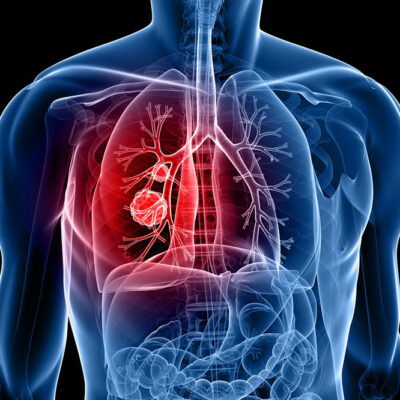
Lung cancer is among the most common causes of cancer-related deaths in our country. While smoking and an unhealthy lifestyle are the major risk factors associated with lung cancer, the disease can also result from breathing poor quality air. Places with a lot of air pollution are therefore known to report more lung cancer cases. In this article, we have listed five cities that have the highest rates of lung cancer. Jefferson County Jefferson County, Kentucky, is one of those places that reports the maximum number of new lung cancer incidents. This city reports approximately 765 new lung cancer cases every year and about 501 lung cancer-related deaths. Marion County Situated in Indiana, Marion County ranks jest below Jefferson County when it comes to lung cancer cases. The county registers approximately 77.2 new cases of lung cancer per 100,000 people every year. It also reports 506 lung cancer deaths per year on average. Cheyenne Cheyenne, Wyoming, was once one of the wealthiest counties of our country and was known for its cattle industry. Today, unfortunately, it ranks among the cities with the most number of cancer patients. The region has a high prevalence of respiratory tract inflammatory diseases, which increases the risk of lung cancer.
3 trigger foods that asthma patients should avoid
health

3 trigger foods that asthma patients should avoid

There are no foods that can be used to exclusively cure asthma. But there are ways to avoid asthma attacks by paying attention to your meals. The onset of an asthma attack can be discomforting and could make the patient conscious in public places. This is why having a rescue inhaler is important during an outdoor trip. Apart from that, here are certain foods that could trigger an attack in some asthma patients. Dried foods, pickled foods, and alcohol These foods are high in sulfites, which may trigger an unpleasant episode of asthma. Besides these foods, alcohol and wine (especially white wine) contain high amounts of sulfites that could be an irritant for asthma patients. Usually, this compound is found in foods and beverages with a long shelf life. This also includes onions and garlic. Teas, coffees, and spicy foods Tea, coffee, and spicy foods contain salicylates. An asthma patient can develop intolerance towards salicylates, regardless of whether it comes from a natural or artificial source. One will have to eliminate certain foods from their daily meals to find out exactly which foods are causing an intolerance. Beans, cabbage, and fried foods These foods can lead to problems caused by excessive bloating.
Foods to avoid for managing multiple sclerosis
health

Foods to avoid for managing multiple sclerosis

Multiple sclerosis (MS) is a progressive disease that affects the central nervous system. It results in the deterioration of myelin, a protective covering around the nerves, disrupting brain-body communication. Although there is no cure for MS yet, patients can manage the disease’s symptoms and discomforts with the help of lifestyle changes, medications, and targeted treatment. Moreover, a healthy nutrition plan is essential, and eliminating the following foods can help provide further relief. Saturated and trans fat Both saturated and trans fats are bad for MS. Saturated fats like coconut oil, palm oil, dairy fats, and meat fats can increase cholesterol levels. And since MS patients are at risk of cardiovascular problems, high cholesterol raises the risk of heart attack and stroke. Trans fats can have a similar effect and may trigger inflammation of blood vessels. These fats are mainly found in baked goods and confectionaries as they are made with hydrogenated vegetable oils and shortening. Foods rich in sugar and salt Research studies say that increased sodium levels in the body can lead to a relapse of MS symptoms. It also increases the risk of high blood pressure, leading to significant circulatory problems if left unchecked. On the other hand, sugar contributes to unhealthy weight gain, which can put a lot of strain on the heart and body.
Tips, home remedies, and foods to manage dry eyes
health

Tips, home remedies, and foods to manage dry eyes

Dry eye syndrome is a condition characterized by the tear glands not producing adequate fluid to keep the eyes lubricated. This condition can lead to symptoms such as scratchy eyes, eye fatigue, heavy eyelids, pain, light sensitivity, and even blurred vision. These can disrupt one’s daily schedule and be very painful, causing further distress. This article shares some home remedies that one can try to relieve the symptoms of dry eyes. 5 Tips and Home Remedies to Manage Dry Eye Syndrome Use warm compresses Warm compresses basically stimulate the tear glands to promote the production of tears. This can be a regular practice and can provide great relief when done every day. Have a good night’s sleep Lack of sleep can instigate dry eyes and eye fatigue in people who would not have the condition otherwise. It is recommended to take short breaks between screen time and get some shut-eye. Use a humidifier People who reside in a region that is dominated by dry and cold weather must invest in a humidifier for it retains the moisture in the air and helps relieve the discomfort caused by the dry weather. Stay hydrated An adequate intake of water is essential for everyone, but it’s especially important for patients with dry eye syndrome.
5 effective tips to manage hyperhidrosis
health

5 effective tips to manage hyperhidrosis

Hyperhidrosis is a medical condition that impacts the quality of the everyday life of an individual. Excessive sweating can lead those affected to feel embarrassed, sad, anxious, and angry. To combat these emotional and mental feelings, one can bring some effective changes in everyday life. Mentioned below are some of the lifestyle tips that you can incorporate into your daily routine to cope with hyperhidrosis. Let’s have a look at some. Exercise Working out is a great way to help reduce stress and maintain physical health. People with hyperhidrosis should not feel embarrassed while working out, as it is normal for them to sweat during intense physical workouts. Also, regular exercise will help you keep your body in shape and help reduce sweat in normal situations. Wear light and breathable clothing Out of the many lifestyle tips for hyperhidrosis, this one is about paying attention to what you wear. Natural fibers like cotton and linen will help keep sweat to a minimum. Thick fabrics like flannel can trap sweat which can worsen your sweating. People with hyperhidrosis should wear light and breathable fabrics, which can reduce the body temperature, and in turn, stop sweat. Stay hydrated It is important for people with hyperhidrosis to maintain an adequate level of hydration.
Foods to avoid for managing melanoma symptoms
health

Foods to avoid for managing melanoma symptoms

Melanoma is a skin cancer that develops when melanocytes — cells that give our skin its color — grow out of control. If left undetected and untreated, the disease can spread to other parts of the body. While melanoma can be cured, patients must follow a healthy nutrition plan for a better prognosis. This article lists the foods one must avoid with melanoma and other skin cancers, along with suitable medications like OPDIVO®. Coffee Though coffee is an excellent beverage for keeping one awake during those long office hours, it is harmful to those with melanoma. Coffee contains caffeine, a property known to cause dehydration. And since cancer treatments require the patient to be hydrated all the time, patients must stay away from the beverage as far as possible. Processed and red meats The WHO has classified red meats (beef, pork, lamb, etc.) and processed meats (ham, bacon, frankfurters, salami, etc.) as Group 1 carcinogens. This is because they contain specific chemicals, both naturally occurring or artificial, that can lead to different cancers and worsen the symptoms. Desserts and sweets As tasty as they are, desserts and sweets do not provide much nutritional value to the human body. Moreover, having too many sugar-rich foods can reduce the effect of healthy foods that can fight cancers.
Foods to eat for preventing osteoporosis
health

Foods to eat for preventing osteoporosis

Osteoporosis affects the structural integrity of the bone, increases the risk of fractures, and affects the ability of the body to regenerate bone mineral density. This condition worsens with age and affects bones in the wrist, spine, or hips. Normally, doctors recommend a combination of medications and weight-bearing exercises to prevent bone loss. Osteoporosis can also be prevented to some extent with healthy changes in habits related to nutritional regime. Foods to eat Recommended foods that help avoid osteoporosis are Foods containing calcium Calcium helps boost bone healthm and foods like kale, turnip, spinach, collard greens, and dairy products including milk cheese, yogurt, are rich sources. Those suffering from lactose intolerance can have soy milk and other such products. Fortified juices, cereals and snacks with vitamin D help the body absorb calcium better. Protein- and magnesium-rich foods Proteins are the building blocks of the body and magnesium helps maintain bone mineral density. Lean chicken and turkey cuts, eggs, milk, and assorted fish or seafood are rich protein options. Assorted nuts including almonds, cashews, peanuts, and some seeds are rich sources of magnesium to be included in daily meals. Foods rich in vitamins C and K Vitamin C is an essential immunity booster and studies show that the key nutrient also helps lower the risk of chronic ailments like osteoporosis.
5 toxic smells that trigger migraine
health

5 toxic smells that trigger migraine

Various odors and fragrances surround us, but not everyone is tolerant of them. Especially for people with migraine, different strong smells can act as a trigger because of smell sensitivity. Inhalation of these strong odors can lead to dizziness, headaches and other health issues. One can also look for ways to prevent a migraine attack due to such odors. Here are some odors that can be toxic to people with migraine: Car exhaust Car exhausts are among the leading cause of environmental pollution. The gas leak from car exhausts is therefore understandably harmful. The leak has a very strong odor and can be the reason for high CO or carbon monoxide gas buildup over time. These fumes often cause nausea, shortness of breath, headaches, and dizziness. Cleaning supplies Cleaning supplies often contain Volatile Organic Compounds or VOCs. These emit gases that may or may not have a strong smell. Exposure to these gases can cause headaches and respiratory issues. They are considered toxic and are often the reason for migraines. Additionally, VOCs can also turn out to be carcinogenic for some people. Therefore, it is essential to use VOC-free cleaning products. Oil-based paints Oil-based paints also contain VOCs. These solvents get released into the environment once the paint is applied on any surface.

Top Articles

Symptoms, causes, and risks of peptic ulcer
health

Symptoms, causes, and risks of peptic ulcer

Peptic ulcer affects about 4.6 million Americans every year. Peptic ulcer results in open sores forming on the upper portion of the small intestine and the inside lining of the stomach. The first one is known as the duodenal ulcer, and the second type is known as a gastric ulcer. Read on to know more about its symptoms, causes, and risks associated with this condition. Symptoms of peptic ulcer If you feel a burning pain in the stomach, then it can be a sign of peptic ulcers, as it is the most common symptom of the disease. The pain can get worse at night or between meals. The acid in your stomach makes it worse. Other than the pain, some other common symptoms of peptic ulcers include feeling bloated or full, intolerance to fatty food, nausea, and heartburn. Apart from these, the other signs may include: Vomiting with the presence of blood Presence of dark blood in the stool Trouble in breathing Feeling faint Nausea Sudden weight loss Change in appetite Taking acid blockers can relieve the pain temporarily. If it keeps coming back, you need to contact your doctor. Causes of peptic ulcer Stomach conditions may have a variety of causes, which is true for peptic ulcers too.
Heart disease – Symptoms, causes, and risk factors
health

Heart disease – Symptoms, causes, and risk factors

Several diseases are included under the umbrella term of heart diseases and are also called cardiovascular diseases. They lead to the blood vessels becoming narrow or getting blocked, which, in turn, can result in a heart attack or stroke or cause pain in the chest. Other heart conditions affect the heart’s muscle, rhythm, or valve. Symptoms The symptoms vary according to the condition diagnosed. The symptoms of common cardiovascular diseases are discussed below. Symptoms of atherosclerotic disease Pain in the chest or feeling a sense of tightness or discomfort in the area Shortness of breath Limbs feeling numb or severely cold if the blood vessels have narrowed in the area, as it affects blood circulation Pain in the jaw, back, upper abdomen, or neck Symptoms of abnormality in the heartbeat or arrhythmia Fluttering sensation in the chest Racing or slow heartbeat Discomfort or pain in the chest Feeling dizzy or fainting Light-headedness Symptoms of heart defects or related conditions Skin color turning blue or pale gray Abdominal swelling or swelling in the area surrounding the eyes Shortness of breath while feedings in case of an infant Symptoms of dilated cardiomyopathy Breathlessness Swelling in the legs, feet, and ankles Feeling a sense of fatigue and dizziness Irregular heartbeat Symptoms related to heart infections Fever Shortness of breath Feeling weak Change in the heart rhythm Persistent cough Skin rashes Causes The causes vary depending on the type of heart disease one is affected with.
Symptoms, causes, and risk factors of immune system disorder
health

Symptoms, causes, and risk factors of immune system disorder

The immune system is referred to as the defense system that protects the body against different kinds of diseases. The stronger the immune system, the higher will be the chances of the body staying away from diseases. Suffering from immunodeficiency or immune system disorder is a cause of concern and must be immediately addressed. Symptoms Cold hands If the blood vessels suffer from inflammation, it gets difficult for the ears, toes, fingers, and nose to stay warm. The affected portion of the skin turns white. Slowly, the color changes into blue when these areas are further exposed to some cold object or atmosphere. When the flow of the blood becomes normal, the skin turns back to red. Medical experts refer to this as the Raynaud’s phenomenon. It is one of the most commonly observed symptoms of immune system disorder. Dry eyes When a person is suffering from an autoimmune disorder, his immune system, instead of protecting his body against diseases, attacks it. Lupus and rheumatoid arthritis are two of the most common examples of this condition. People who suffer from an autoimmune disorder tend to have dry eyes. The person will feel the presence of some grainy object when this happens.
Common joint conditions and their symptoms and risk factors
health

Common joint conditions and their symptoms and risk factors

Joint conditions are commonly associated with increasing age, but they can also be a result of injuries or may develop due to other medical conditions affecting bone and joint health. Arthritis, a commonly diagnosed joint condition, has over 200 types. Depending on the severity of the disease, these conditions can also affect a patient’s quality of life. Read on to know the symptoms, causes, and factors that increase one’s risk of developing joint conditions. Symptoms of joint conditions The following are some of the symptoms that most joint conditions are accompanied by: Joint stiffness Weakness in the joints Inflammation, swelling, and redness of the affected joint Limping due to pain and stiffness Joint getting locked Tearing of the cartilage Commonly-diagnosed joint conditions and their causes Osteoarthritis This form of arthritis involves the wear-and-tear of the joint’s cartilage, which means the risk of developing this disease elevates with age. The cartilage plays the role of a cushion between the bones in order to prevent friction that can cause damage. Damaged cartilage due to this condition results in the bones losing their protection and clashing, causing pain and restricting movement and flexibility. This usually occurs gradually, but it can also develop suddenly in the case of an infection or injury.
All you need to know about menopause
health

All you need to know about menopause

Menopause marks the end of a woman’s menstrual cycles. It is typically diagnosed after a year of no menstrual periods, but it begins much before that. Menopause occurs in your forties and even fifties, but the average age when it occurs in the US is 51. While it is a natural and biological process, the physical symptoms and the hot flashes may cause disruptions in your sleep and even affect your emotional health in general. There are plenty of treatments available. But, to get started, you need to know what the condition looks and feels like. Here are the symptoms, causes, and complications related to menopause. Symptoms of menopause In the time leading up to menopause, you may experience some common symptoms such as irregularity in periods, dryness in the vagina, as well as hot flashes. Some people also experience chills, sleep problems, mood swings, and night sweats. Weight gain and slowed metabolism are two other symptoms that commonly occur with menopause. Menopausal women may even experience dry skin and thinning hair on a regular basis. However, this is not to say that all women experience these symptoms. Different women go through different issues. Depending on your health in general, you may experience varying levels of symptoms.
Mental health conditions – What you should know
health

Mental health conditions – What you should know

Millions of people live with different types of mental illnesses and health problems. These include obsessive-compulsive disorder, social anxiety, and personality disorders. All of these come under the umbrella of mental health. In this article, we will cover the symptoms, causes, and risk factors of some common mental health disorders such as obsessive-compulsive disorder (OCD), post-traumatic stress disorder (PTSD), and clinical depression to help you understand them better. Symptoms The common symptoms of mental health disorders include: Obsessive-compulsive disorder People with OCD may present the following symptoms: Constant fear of contamination and extra emphasis on cleanliness Signs of hoarding and counting belongings continuously Signs of excessive concern toward personal safety Post-traumatic stress disorder Somebody suffering from PTSD may show the following symptoms: Constantly suffering through intrusive memories Negative patterns in mood and mindset Trying to avoid thinking of the traumatic event Feeling changes in emotional and physical reactions Clinical depression The symptoms of clinical depression include: Being moody and experiencing different emotions, such as aggressiveness, anxiousness, and restlessness Adverse effect on sexual life A decline of cognitive abilities Poor sleep patterns If you notice any of these symptoms, we recommend consulting with a mental health doctor immediately. Causes The common causes of any mental health disorder include the following: