Key factors to know about eosinophilic esophagitis
Health

Key factors to know about eosinophilic esophagitis

Eosinophilic esophagitis, or EoE, is an inflammatory condition in which a type of immune cell, eosinophils, accumulates in the esophagus, causing irritation and inflammation. Food allergies are considered a common cause of this disorder. Learning about the various common symptoms, causes, and everyday management strategies is essential for improving quality of life. With the right information about meal plans and practical lifestyle changes, individuals can alleviate the discomfort associated with this chronic condition. How EoE affects daily life Inflammation due to EoE can make the esophagus stiff and narrow. As a result, food may feel like it’s getting stuck to the sides of the esophagus or moving slowly when swallowing. Mealtime can become stressful, especially when eating tougher or drier foods like chicken, steak, or crusty bread. Many adapt by taking smaller bites, chewing slowly, and sipping water to help food move down more easily. Common symptoms to watch for Symptoms in adults Adults with eosinophilic esophagitis usually experience these common telltale signs. Difficulty in swallowing, especially when eating dry or hard foods  ​Food gets stuck in the esophagus, requiring pauses during meals or sips of water to help it pass down ​Consistent chest discomfort that is not related to any heart issues ​Occasional regurgitation of food, especially right after eating Symptoms in children and teens In younger individuals, EoE has slightly different symptoms.  Difficulty moving from baby foods or softer foods to solids  ​Frequent vomiting or gagging during meals ​Regular stomach pain and complaints of discomfort ​Being picky when eating or avoiding certain food textures without any clear explanation ​Not meeting regular growth milestones What causes EoE Role of the immune system Eosinophilic esophagitis is mostly caused by an overactive immune response in the esophagus.

Polycythemia vera – Causes and risk factors
Health

Polycythemia vera – Causes and risk factors

Red blood cells, a type of cell found in the blood, carry oxygen all throughout the body. When these cells grow in number beyond what is required, the blood thickens, restricting oxygen flow. This is what happens in polycythemia vera. The condition affects the bone marrow, making it produce excess red blood cells. Knowing why polycythemia vera develops and the common risk factors can help one seek the right treatment and recover. Polycythemia vera – What causes it? The main cause of polycythemia vera lies deep inside the body, particularly in the JAK2 gene found in the bone marrow’s stem cells. The stem cells within the bone marrow produce red blood cells. Under normal circumstances, the JAK2 gene sends signals to the bone marrow only when the body needs more red blood cells. However, in polycythemia vera, a mutation occurs that changes how this gene functions. As a result, the gene continuously signals for red blood cell production, even when the body does not need more.  A change in the JAK2 gene is observed in most cases of polycythemia vera. The mutated gene activates a protein that increases cell growth in the bone marrow. As a result, red blood cells rapidly increase in number, and the blood starts to thicken.
Polycythemia vera – Symptoms and risk factors
Health

Polycythemia vera – Symptoms and risk factors

Polycythemia vera, or PV, is a form of blood cancer that starts in the bone marrow, where new blood cells form and grow. PV causes the bone marrow to generate too many new blood cells, increasing the risk of cardiovascular conditions. It develops gradually over many years and typically affects older men, who are usually diagnosed in their 60s or later. Understanding the causes and warning signs of PV can help people take the necessary steps to manage the condition. Causes The bone marrow is responsible for producing three types of blood cells: red blood cells, platelets, and white blood cells. The red cells carry oxygen, the white cells fight infections, and the platelets are essential for blood clotting, which helps stop bleeding. Most people with PV have too many red blood cells, but they might also have excess white blood cells and platelets. The condition results from a genetic change that develops during a person’s life, not one they are born with. However, the risk of developing it may be higher in certain families due to inherited factors.  Symptoms During the early stages, PV can be a silent disease, since people generally do not experience symptoms. A high red blood cell count is often found during a routine checkup.
Stretching – Benefits and limitations
Health

Stretching – Benefits and limitations

Stretching is one of the easiest forms of exercise. When done regularly, it can improve flexibility, enhance musculoskeletal health, and prevent injuries. But before diving into the exercise head-on, it’s important to properly understand when stretching is useful and when it’s not. In certain situations, such as when dealing with a strained muscle or a painful tendon, stretching can be counterproductive. Knowing the benefits and limitations of stretching and doing it under professional guidance is recommended. Benefits of stretching Reduces muscle stiffness Stretching lengthens the muscles and increases their flexibility. This, in turn, improves the range of motion, making it easier to perform routine tasks that require reaching and bending. It also prevents undue straining or tearing of the muscles, reducing the risk of injury. Since age naturally causes the muscles to lose flexibility, seniors should especially consider stretching more often. Improves posture Poor posture can lead to neck and back pain, tension headaches, and rounded shoulders. It can also lead to more severe musculoskeletal issues, such as nerve compression and herniated discs. Stretching is one of the best ways to improve posture. Stretches that focus on the hips, shoulders, and the back of the neck maintain the spine’s neutral position and reverse any “hunch” caused by sitting for several hours every day.  Boosts joint health Stretching stimulates the production and circulation of synovial fluid—a thick, gel-like substance that reduces friction—in the joints.
DIY face masks – Benefits and recipes
Health

DIY face masks – Benefits and recipes

Homemade face masks help nourish the skin naturally. They are made with simple kitchen ingredients, such as honey, yogurt, and oats. Unlike store-bought options, they do not contain chemicals or artificial colors. As a result, they are gentler on the skin and rarely cause irritation and redness. For the best results, homemade skincare masks can be used multiple times a week alongside other routines, such as cleansing, moisturizing, and applying sun protection. Benefits of DIY face masks Gentle exfoliation DIY face masks usually contain ingredients like oatmeal, coffee grounds, or finely ground sugar. These ingredients have exfoliating properties, meaning they help remove dull, dead cells, making the skin brighter and smoother. At the same time, they are gentle on the skin, so even someone with sensitive skin might be able to use these masks for exfoliation. Deep moisturization Some organic ingredients, such as yogurt, honey, and avocado, have hydrating properties. So, using them in face masks helps moisturize the skin and strengthen the skin’s natural moisture barrier. Regularly applying these moisturizing masks can make the skin glow from within, giving it a supple, refreshed look. Nourishment from nature Homemade masks are made using natural ingredients rich in vitamins, antioxidants, and minerals that improve skin health.
Metastatic breast cancer- Signs, prognosis, and management options
Health

Metastatic breast cancer- Signs, prognosis, and management options

Metastatic breast cancer (MBC), a stage 4 cancer, occurs when cancer cells travel beyond the breast and gradually spread to other parts, such as the bones, liver, lungs, or brain. Diagnosing this condition can be complex. Fortunately, timely treatment and care can help individuals manage the condition. Knowing about the common symptoms, systemic treatment options, and prognosis can further help caregivers and those with MBC reduce treatment-related discomfort.  What “metastatic” or stage 4 means Metastasis is a process that causes cancer cells to break away from the original tumor in the breast. The cancer cells travel through the lymphatic system or the bloodstream to form new tumors in other organs. The cells mostly spread to the bones, liver, lungs, and brain. However, healthcare providers call it breast cancer regardless of the tumor’s new location. This means if the breast cancer has moved to the lungs, it is treated with therapies that are specific to manage breast cells.  De Novo vs. Recurrent Metastatic Breast Cancer An initial diagnosis of breast cancer can happen in different ways. In some cases, the cancer is first diagnosed when it is already in stage 4, also referred to as de novo metastatic breast cancer. In other cases, recurrent metastatic disease occurs when cancer relapses and is found in another part of the body several months or years after successful treatment of an earlier stage of the disease.
Headaches – Types, causes, symptoms, and management
Health

Headaches – Types, causes, symptoms, and management

A headache is a common type of pain that affects the head or face. It is often described as a pressure that is throbbing, constant, sharp, or dull. Headaches can vary by type, severity, location, and frequency. Though most headaches are not dangerous, some can be a sign of a more serious problem. That is why individuals should not ignore headaches and visit a healthcare professional as soon as the symptoms appear. Types of headaches explained Primary headaches These headaches occur when the head’s pain-sensitive structures dysfunction or become overactive. They are not linked to an underlying illness. Primary headaches are common in individuals with certain genetic markers. Migraine headaches, cluster headaches, and new daily persistent headaches (NDPH) are common examples. Secondary headaches Underlying health conditions cause secondary headaches. Dehydration headaches, sinus headaches, and rebound headaches are common examples in this category. These headaches are manageable and go away following proper treatment. However, some secondary headaches are more severe and can be a sign of a serious or potentially dangerous condition: Spinal headaches occur when spinal fluid leaks from the membrane covering the spinal cord, usually after a spinal tap. Thunderclap headaches are very painful and come on suddenly. An episode can last up to five minutes, with pain peaking one minute after onset.
6 remedies for instant relief from sore throat
Health

6 remedies for instant relief from sore throat

Dealing with a sore throat can be rough. Even the saliva traveling down can feel like sandpaper scraping against the throat’s inner lining. To relieve symptoms, especially the pain , understanding what causes them, whether an infection, an allergy, the flu, a common cold, or something else, is important. The cause can then help one determine what to do. In benign cases, when the symptoms are not severe, one can speak to a healthcare professional and use natural ways to soothe a sore throat. Salt water gargles Salt water is a time-tested home remedy for a sore throat. It can relieve irritation and inflammation, reduce swelling, and help pull the bacteria or viruses to the throat’s surface, giving the body a better chance to fight them. To create a saltwater solution, one can take about a glass of warm water and dissolve a quarter to a half teaspoon of salt into it. This solution can be used for gargling every couple of hours. Warm beverages Warm beverages, such as soups and teas, soothe the throat and keep the body hydrated. Their warmth also helps improve blood flow in the area. Increased blood flow to the throat, in turn, speeds healing by supplying the infected tissue with oxygen, nutrients, and immune cells.
5 common food allergens
Health

5 common food allergens

A food allergen is an ingredient that triggers an abnormal immune response when ingested. Although food allergies can be bioindividual and can be caused by many reasons (mainly the protein content), there are certain items that are most likely to trigger these reactions. Knowing about these common food allergens and the allergic symptoms they cause can help one seek timely treatment before the condition worsens. What causes food allergies When someone has a food allergy, their body mistakenly recognizes certain foods or food components, usually specific proteins, as harmful substances. The immune system then remembers these allergens for future encounters. Even when a small amount of the allergen enters the system, the antibodies react by releasing histamine (a key mediator of immune responses), resulting in an allergic response. Commonly, if one has food-related allergies, they experience skin itching, hives or rashes, swelling of the face, lips, mouth, and tongue, wheezing, shortness of breath, and an itchy mouth and throat. These reactions typically begin within two hours of consuming the food containing these allergens. Signs such as a runny nose, sneezing, coughing, diarrhea, hoarseness, vomiting, and abdominal pain are also indicators of an allergic reaction. These symptoms can be serious and warrant a visit to a physician, even if one has previously experienced mild reactions.
Benefits of daily movement over intense exercise routines
Health

Benefits of daily movement over intense exercise routines

Exercising is a habit that helps manage various health conditions. Type 2 diabetes, high blood pressure, and arthritis, to name just a few. But several individuals associate exercise with intense workouts. High-intensity workouts are beneficial – there is no doubt about that. But an equally true fact is that they are not the only means of exercise that benefit the health and long-term well-being. In many ways, daily activities can benefit one a tad more than intense workouts do. What constitutes regular activity Regular, daily movement lies in the simple activities that seem like a part of life. This can include taking short walks during the day, cleaning the house, taking the stairs instead of the elevator, or even walking while on phone calls. Additionally, people can break up long periods of sitting by doing a short set of exercises – say five to 10 squats or leg lifts. One can even do a little extra by choosing to walk or cycle short distances rather than driving or parking a little farther away to walk a few extra steps.  Benefits of daily movement Eliminates the need for fancy equipment or memberships One of the biggest advantages of daily movement is how accessible it is compared to intense workouts.

Top Articles

5 healthy habits for natural detox
Health

5 healthy habits for natural detox

The body has its own system to carry out natural detoxification. The liver functions as a filter by cleaning the blood and breaking down waste. At the same time, the kidneys flush out excess waste through urine. The lungs expel carbon dioxide, while the skin eliminates toxins through sweat during any physical activity. Additionally, the lymphatic system circulates fluids around the body to remove debris and waste. By adopting healthy habits such as drinking water, eating wholesome foods, and staying active, one can support these vital systems in natural detox. Maintain a healthy meal routine Many vegetables contain antioxidants and sulfur that support the liver’s function in processing nutrients and waste. Broccoli is one of them. It contains sulforaphane, which activates detox enzymes in the body. Another nutritious vegetable, asparagus, has glutathione that helps in managing free radicals. Beetroots, on the other hand, contain betalains that protect liver cells, and leafy greens like kale, collard greens, and spinach contain chlorophyll that binds heavy elements and expels them from the body. Additionally, artichokes are a source of cynarin that boosts bile production for the digestion of fats.  Along with these veggies, certain fruits also have detoxifying functions. Grapefruit, loaded with naringenin, helps improve enzyme activity.
5 ways to manage type 2 diabetes
Health

5 ways to manage type 2 diabetes

Type 2 diabetes develops when the body becomes resistant to insulin, the hormone that regulates blood glucose levels. If it remains unchecked, this condition can affect the eyes, kidneys, and heart. Therefore, timely management becomes important. While healthcare plans may still be necessary, combining them with the right lifestyle changes can have a significant impact. Incorporating consistent daily habits, even small, mindful adjustments, can gradually improve the body’s response to insulin and prevent blood sugar from rising. Exercise regularly The benefits of regular exercise are no secret, and one of the most important for affected individuals is its ability to regulate blood sugar levels. Physical activity helps the body use glucose for energy, which naturally lowers the sugar levels. Additionally, regular exercise improves the body’s response to insulin, which further helps in keeping blood sugar under control. This is why maintaining an active lifestyle is an important part of lifestyle management for those with type 2 diabetes. Exercising does not necessarily mean engaging in weight training and intense workouts. Even simple activities such as brisk walking, jogging, or cycling can make a noticeable difference. The key here is to ensure that these activities are performed regularly. Even 30 minutes of physical activity a day, for at least five days a week, can help.
Common effects of stress on the body
Health

Common effects of stress on the body

Stress is a silent, often hidden force that quietly wears the body down. While many people focus on healthy eating and daily exercise, managing stress is often ignored. Stress affects various aspects of the body, such as sleep, immune function, focus, mood, and digestion. Fortunately, it can be managed by incorporating certain practices in daily life. Knowing about the stress-related problems and addressing them can make it easier to manage their effects. Headache Some research studies have found that stress-induced headaches can result from muscle contractions. Muscle tightening can cause throbbing pain in the temples and other areas of the head. Moreover, vascular changes to the brain can lead to splitting headaches in individuals living with a high degree of stress. In many instances, stress is also known to cause migraines. And those prone to migraine episodes experience the condition’s worst symptoms when their stress levels increase. To manage stress and keep it within specific levels to avoid headaches, one can practise relaxation techniques such as meditation, rhythmic breathing, calming techniques, and deep breathing. Also, regular exercise helps produce stress-relieving hormones in the body. Stomach ache Stress can disrupt the digestive system, too. When one is under tension, the body responds in certain ways that can often affect the digestion process and the vital organs involved in metabolism.
Menopause – Symptoms, stages, and natural remedies
Health

Menopause – Symptoms, stages, and natural remedies

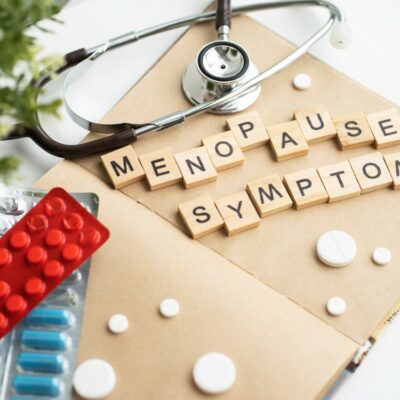
Menopause marks the end of menstruation. It’s a point at which the ovaries stop making enough reproductive hormones, such as estrogen and progesterone, and run out of eggs. Menopause is ideally defined as a year without a menstrual period. On average, it’s experienced by age 52. However, that’s not always the case; it’s possible to reach this phase earlier or later. Knowing about menopause and its management can help one navigate this stage of their life peacefully. Menopause signs and symptoms Irregular periods Menopause often leads to fluctuations in hormone levels. This fluctuation causes menstrual cycles to become shorter, longer, heavier, or lighter. Many times, one also experiences skipped cycles. All of these are signs that the ovaries are slowly losing function. Hot flashes When fluctuating estrogen levels affect the hypothalamus, i.e., the brain’s thermostat, it leads to hot flashes. These are nothing but a sudden feeling of warmth throughout the body. Hot flashes can also cause sweating, flushing, and chills. Night sweats Hormone fluctuations are more extreme when sleeping. They increase the frequency of hot flashes, causing sudden warmth, flushing, and drenching sweats in the middle of the night. That’s why soaked bedsheets and clothes are common sights if one is on the cusp of menopause.
7 foods to improve joint strength in seniors
Health

7 foods to improve joint strength in seniors

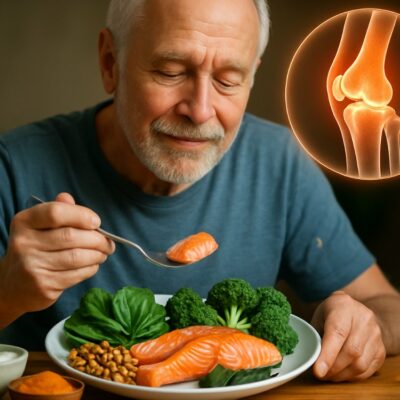
The joints weaken with age because of wear and tear of the cartilage and loss of muscle mass. That’s why seniors are often advised to exercise their joints regularly. Doing that strengthens the joints and the ligaments surrounding them, helping relieve pain and improving flexibility. However, exercise alone is not sufficient for joint strength and health. Seniors must also make a few nutritional changes, such as eating foods with joint-supportive nutrients. Sweet peppers Whether red, yellow, green, or orange, all sweet peppers are loaded with vitamin C. This vitamin boosts collagen production, which is necessary for strong, healthy bones. Collagen helps rebuild cartilage, increase bone density, and reduce stiffness. Besides supplying vitamin C, sweet peppers are known to balance gut microbiomes, thus reducing inflammation markers. This helps seniors who have rheumatoid arthritis, a common condition that causes joint inflammation. There are many ways to enjoy sweet peppers. One option is to make a mixture of beans, brown rice, vegetables, and seasoning, then stuff this mixture into sweet peppers and bake them. If this seems too complicated, seniors can simply roast or sauté the peppers with garlic and enjoy them. Broccoli Cruciferous vegetables, such as broccoli, are excellent foods for supporting joint health in seniors.
5 simple lifestyle habits for better health
Health

5 simple lifestyle habits for better health

Individuals who want to improve their health do not need to follow complex or costly routines. Simple habits, such as eating nutritious foods, drinking enough water, exercising, and sleeping well, are enough to achieve this goal. These small lifestyle changes can lead to better health in the long run without requiring a big investment of time and money. That said, individuals must be consistent to see lasting results. Starting the day with water The body is slightly dehydrated after going all night without fluid intake. That’s why starting the day with a glass of water is a good habit. Rehydrating first thing in the morning boosts metabolism, helps the body regulate temperature, and gets basic functions “switched on” for the day. However, just drinking a glass of water in the morning is not enough. Individuals should carry a bottle of water with them wherever they go to stay hydrated throughout the day. Doing so can help prevent dehydration symptoms, such as headaches, fatigue, and mental fog. Stretching after waking up Stretching is another sustainable, healthy habit to start the day with. Morning stretches ease stiffness, increase range of motion, and help drive away sleepiness. Instead of complex stretches, individuals can perform simple ones that clear the mind and prepare the body for the day ahead.