Type 1 diabetes – Causes, symptoms, and management
Health

Type 1 diabetes – Causes, symptoms, and management

Type 1 diabetes is a chronic autoimmune condition that prevents the pancreas from producing insulin, a hormone required for balancing blood sugar levels. Without insulin, blood sugar begins to rise. High blood sugar, or hyperglycemia, can lead to complications, such as nerve damage, kidney failure, and heart disease, if left untreated. Fortunately, daily management of type 1 diabetes is possible with the right lifestyle changes and treatment. Causes The exact cause of type 1 diabetes is unclear. However, it has been determined that genetics and environmental factors play a crucial role in its occurrence. When individuals have the condition, their immune system repeatedly attacks the pancreatic beta cells that produce insulin, stopping the supply of this hormone. Insulin provides glucose a doorway into blood cells, allowing it to be used for energy. So, without insulin, glucose does not enter blood cells. Instead, it begins to collect in the blood. Type 1 diabetes is most common in children and younger individuals. However, older adults can also develop it.  Symptoms  Unlike many other conditions, the symptoms of type 1 diabetes do not appear gradually. Their onset is sudden, usually over a few hours or days. Polyuria  Polyuria is frequent urination. When blood glucose levels rise, the kidneys work overtime to flush the excess out of the body through the urine.

8 simple homemade dog food recipes
Health

8 simple homemade dog food recipes

Serving homemade meals to one’s furry friends can be helpful for various reasons. First, they are often more affordable than premium commercial options and give one better control over portion sizes and ingredient quality. Second, this approach makes it easy to balance proteins, carbs, and veggies, supporting a healthy gut and reducing food sensitivities. However, the transition to homemade meals should be gradual, and a veterinarian should be consulted to incorporate balanced, wholesome recipes that help dogs adjust to new textures and flavors. Simple chicken and rice meal This is a quick, simple meal for dogs that is gentle on their gut. It takes only a few simple ingredients to make and can be stored in batches if cooking daily is an issue. Boil or bake a chicken breast until fully cooked, then shred it into small pieces. Cook some rice until it’s soft. In the meantime, chop ½ cup of carrots and steam them. Mix everything and let it cool a bit before serving. One can also customize the recipe with a choice of vegetables, such as green beans or peas. Beef and sweet potato bowl This dish offers a good balance of protein and carbohydrates, supporting the dog’s energy needs.
Arthritis – Common types, symptoms, causes, and more
Health

Arthritis – Common types, symptoms, causes, and more

To maintain long-term well-being, several essential factors need to be considered, which include following a balanced meal regime, exercising regularly, and making positive lifestyle changes. However, certain factors like age or injuries can trigger complications that can impact one’s daily living. One such condition is arthritis, a group of rheumatic conditions that affect joints. Understanding the causes, symptoms, and potential treatment methods of joint inflammation conditions, one can manage them effectively. Symptoms and causes Causes Arthritis may result from an injury (leading to degenerative arthritis), genetic inheritance, an infection, or dysfunction in the immune system. Most types of arthritis develop due to one or a combination of these factors. However, the causes of each type of arthritis can vary. Symptoms The most common symptoms of arthritis include joint pain, stiffness, or reduced range of motion. However, the severity of these symptoms may vary from one person to another. Other telltale signs include swelling, skin discoloration, tenderness or sensitivity around a joint, and a feeling of heat or warmth near the affected areas. In some arthritis types, like rheumatoid arthritis, the signs may be experienced in intervals, called flares or episodic flare-ups. Those with osteoarthritis may experience persistent pain or stiffness, even after being physically active.
Interstitial lung disease – Signs, stages, and risk factors
Health

Interstitial lung disease – Signs, stages, and risk factors

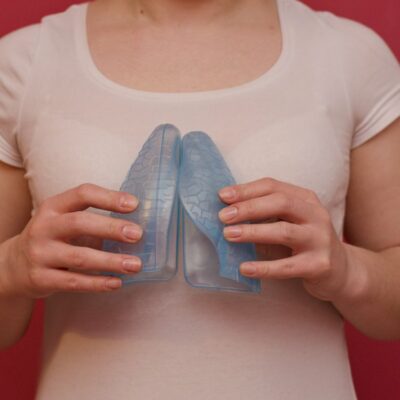
Interstitial lung disease (ILD) is a collective term for over 200 conditions that damage the lung interstitium, the tissue surrounding the alveoli responsible for oxygen exchange. Inflammation, stiffness, or scarring disrupts normal breathing and reduces oxygen delivery throughout the body. This condition develops gradually or progresses aggressively, depending on the cause and stage. Closely knowing the effects, stages, and risk factors is essential for early recognition, accurate diagnosis, and timely management of this condition. How interstitial lung disease affects the lungs When a person breathes, oxygen eventually enters the air sacs in the lungs known as alveoli. Alveoli expand and contract with each breath. The tissue around these sacs is known as the interstitium. In certain cases, this tissue gets scarred, stiff, or inflamed. As a result, the alveoli expand less, reducing the amount of oxygen reaching the lungs. People with damaged interstitium experience ILD progression symptoms such as shortness of breath (dyspnea) that worsens with exercise or exertion, a dry cough, fatigue, and chest discomfort. In many cases, ILD occurs without a known cause, called idiopathic ILD. In other cases, ILD is over a long period due to: Lung inflammation due to breathing in a foreign substance, such as certain kinds of dust, fungus, or mold.
Common causes of swelling in the legs
Health

Common causes of swelling in the legs

Swelling in the legs is a common concern, but the cause can vary. In some cases, the swelling develops due to excess fluid buildup in the legs, a condition known as edema. In another instance, it can be linked to some form of inflammation caused by an injury, infection, or an underlying health condition. Knowing about the specific reason behind the swelling can help address the root cause and determine the need for expert attention. Kidney issues The main function of the kidneys is to filter and remove excess fluid and waste from the blood. But when the organs are unable to carry out this function due to an underlying condition or disease, their ability to complete the elimination process gets disrupted. As a result, fluid begins to accumulate in the body, eventually leading to fluid retention, particularly in the legs. Congestive heart failure When the heart becomes too weak to pump blood efficiently, circulation slows down. As a result, the blood can flow back up in the veins, leading to fluid accumulation in the surrounding tissues, including the legs. In the case of congestive heart failure, individuals may notice other symptoms such as shortness of breath, difficulty breathing while lying down, and persistent fatigue.
6 early signs of heart failure
Health

6 early signs of heart failure

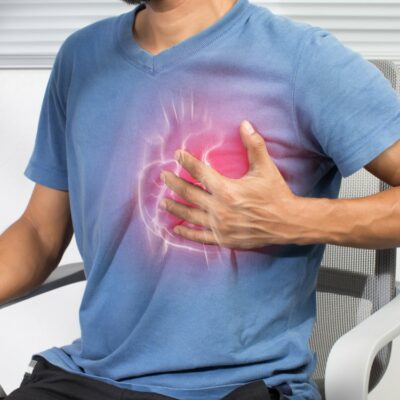
Heart attack and heart failure are not the same thing. A heart attack occurs when blood flow to the heart is blocked. It is a sudden, acute event that causes severe chest pain that radiates down to the left arm. Heart failure, on the other hand, is a chronic, progressive condition where the heart stops pumping blood effectively. The early symptoms of heart failure are different from those of a heart attack, and recognizing them is crucial. Shortness of breath The heart and lungs work in tandem, helping each other out. First, the heart’s right atrium and ventricle receive impure blood and pass it to the lungs. The lungs then oxygenate and return it to the left atrium and ventricle. Now, the left side of the heart pumps out oxygen-rich blood to the body. Heart failure affects this system. It prevents blood from being pushed into the lungs for oxygenation and then returned to the body smoothly. As a result, oxygen supply decreases. To make up for this short supply, the affected individual breathes as deeply as they can, but they still do not feel like they are getting enough oxygen. Lingering cough A nagging, dry cough is another symptom to recognize heart failure.
Key details about macronutrients – Their benefits and importance of balanced nutrition
Health

Key details about macronutrients – Their benefits and importance of balanced nutrition

The human body requires a balance of nutrients to maintain overall health. There are two main categories of nutrients—micronutrients and macronutrients. Micronutrients, like vitamins and minerals, are required in small quantities for growth development and prevention of chronic conditions. On the other hand, macronutrients, like carbohydrates, proteins, and fats, help fuel the brain, provide energy for daily tasks, repair worn-out and damaged muscles, support hormone production, and strengthen the nervous system. Carbohydrates – The body’s main energy source These macronutrients provide energy for the brain and muscles to function. Each gram of carbohydrates provides about four calories. Once digested, carbohydrates are broken down into glucose, which serves as an energy source for daily physical tasks. There are two main types of carbohydrates—complex and simple. Complex carbohydrates are found in whole grains, legumes, fruits, and vegetables. These carbs are rich in fiber and provide steady energy and a feeling of fullness after meals. On the other hand, simple carbohydrates, found in soda and white bread, digest quickly and can lead to abrupt energy spikes and drops.  Complex carbohydrates are beneficial for maintaining energy levels and regulating blood sugar, while it is advisable to limit the intake of simple carbohydrates. Importance of fiber Fiber is a non-digestible type of carbohydrate.
Irritable bowel syndrome – Symptoms and management options
Health

Irritable bowel syndrome – Symptoms and management options

Irritable bowel syndrome, commonly called IBS, disrupts the gut function. More than 3 million people in the country currently deal with this condition. While it doesn’t harm the gut itself, its symptoms can be quite irksome and persistent, affecting daily life. These symptoms and their intensity may vary across individuals, so understanding them can help individuals determine which management techniques to use to address the condition. Irritable bowel syndrome symptoms Bloating and gas One of the most common symptoms is bloating, wherein the abdomen feels heavy and swollen. Bloating is often accompanied by gas and flatulence, particularly after meals, which can further worsen the discomfort. Abdominal pain or cramps Besides bloating, abdominal pain is a common IBS symptom. In most cases, the pain occurs after meals and may resolve after a restroom break. Irregular bowel movements Bowel habits can vary between people. However, because of IBS, one can experience some unusual changes in their bowel movements. Having to go much more often or far less than usual, for instance, are common signs of IBS. Apart from that, one may experience more frequent, sudden urges to use the bathroom. Diarrhea or constipation IBS is usually categorized based on the type of bowel pattern individuals experience.
Gut health – Impact, importance, and management methods
Health

Gut health – Impact, importance, and management methods

The gastrointestinal tract, or gut, serves as the body’s fuel processor, breaking down food, absorbing nutrients, and eliminating waste through organs such as the stomach, intestines, and colon. The gut hosts a vast community of microbes that break down complex fibers from food, enhance immune function, and protect the body against harmful bacteria and health conditions. A healthy gut regulates immunity, mood, energy, and metabolism, making its care essential for overall physical and mental well-being. Understanding how and why to care for the gut empowers individuals to manage persistent digestive issues, address stress, control energy levels, and determine when professional guidance is needed. The role of the gut bacteria in overall well‑being The human gut functions as a shared ecosystem in which healthy bacteria thrive on available nutrients and, in turn, help the host fight harmful microbes. The gut microbiome influences various bodily functions, including digestion, in different ways. When an individual eats food, the gut breaks it down and absorbs nutrients that support the body’s functions. This process facilitates the production of essential nutrients and enzymes that nourish cells in the gut lining and support gut health. The gut bacteria also metabolize bile in the intestines, after which the liver transports bile to the small intestine to facilitate fat digestion.
Urinary tract infections – Causes, signs, and management
Health

Urinary tract infections – Causes, signs, and management

A urinary tract infection (UTI) develops when bacteria enter the urinary system organs—kidneys, ureters, bladder, and urethra—and grow there. Frequent urination and pain or a burning sensation when passing urine are common symptoms. While the condition isn’t generally serious, one should consult a healthcare professional for timely treatment. That’s because untreated UTIs can spread and cause complications. Since these infections are very common, knowing their symptoms, causes, and preventive measures is recommended. What is the urinary tract The urinary tract is made up of the kidneys, ureters, bladder, and urethra. Together, these organs help the body flush out waste and extra fluid. The kidneys filter impurities from the blood and make urine. The ureters are small tubes that carry the urine from each kidney down to the bladder. The bladder works like a storage tank that holds urine until it is time to pass it. The urethra is the final tube through which the urine leaves the body. What happens during a UTI During a UTI, bacteria enter the urinary system and begin multiplying, causing an infection. While different types of bacteria can cause an infection, E. coli is among the most common. E. coli usually lives harmlessly in the intestines.

Top Articles

5 healthy habits for natural detox
Health

5 healthy habits for natural detox

The body has its own system to carry out natural detoxification. The liver functions as a filter by cleaning the blood and breaking down waste. At the same time, the kidneys flush out excess waste through urine. The lungs expel carbon dioxide, while the skin eliminates toxins through sweat during any physical activity. Additionally, the lymphatic system circulates fluids around the body to remove debris and waste. By adopting healthy habits such as drinking water, eating wholesome foods, and staying active, one can support these vital systems in natural detox. Maintain a healthy meal routine Many vegetables contain antioxidants and sulfur that support the liver’s function in processing nutrients and waste. Broccoli is one of them. It contains sulforaphane, which activates detox enzymes in the body. Another nutritious vegetable, asparagus, has glutathione that helps in managing free radicals. Beetroots, on the other hand, contain betalains that protect liver cells, and leafy greens like kale, collard greens, and spinach contain chlorophyll that binds heavy elements and expels them from the body. Additionally, artichokes are a source of cynarin that boosts bile production for the digestion of fats.  Along with these veggies, certain fruits also have detoxifying functions. Grapefruit, loaded with naringenin, helps improve enzyme activity.
5 ways to manage type 2 diabetes
Health

5 ways to manage type 2 diabetes

Type 2 diabetes develops when the body becomes resistant to insulin, the hormone that regulates blood glucose levels. If it remains unchecked, this condition can affect the eyes, kidneys, and heart. Therefore, timely management becomes important. While healthcare plans may still be necessary, combining them with the right lifestyle changes can have a significant impact. Incorporating consistent daily habits, even small, mindful adjustments, can gradually improve the body’s response to insulin and prevent blood sugar from rising. Exercise regularly The benefits of regular exercise are no secret, and one of the most important for affected individuals is its ability to regulate blood sugar levels. Physical activity helps the body use glucose for energy, which naturally lowers the sugar levels. Additionally, regular exercise improves the body’s response to insulin, which further helps in keeping blood sugar under control. This is why maintaining an active lifestyle is an important part of lifestyle management for those with type 2 diabetes. Exercising does not necessarily mean engaging in weight training and intense workouts. Even simple activities such as brisk walking, jogging, or cycling can make a noticeable difference. The key here is to ensure that these activities are performed regularly. Even 30 minutes of physical activity a day, for at least five days a week, can help.
Common effects of stress on the body
Health

Common effects of stress on the body

Stress is a silent, often hidden force that quietly wears the body down. While many people focus on healthy eating and daily exercise, managing stress is often ignored. Stress affects various aspects of the body, such as sleep, immune function, focus, mood, and digestion. Fortunately, it can be managed by incorporating certain practices in daily life. Knowing about the stress-related problems and addressing them can make it easier to manage their effects. Headache Some research studies have found that stress-induced headaches can result from muscle contractions. Muscle tightening can cause throbbing pain in the temples and other areas of the head. Moreover, vascular changes to the brain can lead to splitting headaches in individuals living with a high degree of stress. In many instances, stress is also known to cause migraines. And those prone to migraine episodes experience the condition’s worst symptoms when their stress levels increase. To manage stress and keep it within specific levels to avoid headaches, one can practise relaxation techniques such as meditation, rhythmic breathing, calming techniques, and deep breathing. Also, regular exercise helps produce stress-relieving hormones in the body. Stomach ache Stress can disrupt the digestive system, too. When one is under tension, the body responds in certain ways that can often affect the digestion process and the vital organs involved in metabolism.
Menopause – Symptoms, stages, and natural remedies
Health

Menopause – Symptoms, stages, and natural remedies

Menopause marks the end of menstruation. It’s a point at which the ovaries stop making enough reproductive hormones, such as estrogen and progesterone, and run out of eggs. Menopause is ideally defined as a year without a menstrual period. On average, it’s experienced by age 52. However, that’s not always the case; it’s possible to reach this phase earlier or later. Knowing about menopause and its management can help one navigate this stage of their life peacefully. Menopause signs and symptoms Irregular periods Menopause often leads to fluctuations in hormone levels. This fluctuation causes menstrual cycles to become shorter, longer, heavier, or lighter. Many times, one also experiences skipped cycles. All of these are signs that the ovaries are slowly losing function. Hot flashes When fluctuating estrogen levels affect the hypothalamus, i.e., the brain’s thermostat, it leads to hot flashes. These are nothing but a sudden feeling of warmth throughout the body. Hot flashes can also cause sweating, flushing, and chills. Night sweats Hormone fluctuations are more extreme when sleeping. They increase the frequency of hot flashes, causing sudden warmth, flushing, and drenching sweats in the middle of the night. That’s why soaked bedsheets and clothes are common sights if one is on the cusp of menopause.
7 foods to improve joint strength in seniors
Health

7 foods to improve joint strength in seniors

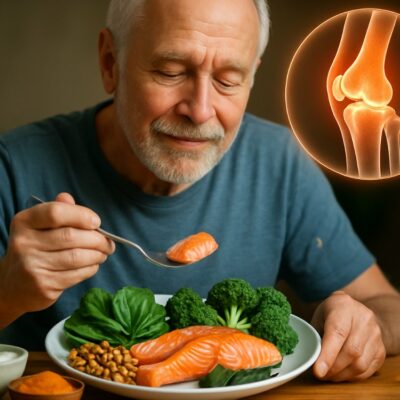
The joints weaken with age because of wear and tear of the cartilage and loss of muscle mass. That’s why seniors are often advised to exercise their joints regularly. Doing that strengthens the joints and the ligaments surrounding them, helping relieve pain and improving flexibility. However, exercise alone is not sufficient for joint strength and health. Seniors must also make a few nutritional changes, such as eating foods with joint-supportive nutrients. Sweet peppers Whether red, yellow, green, or orange, all sweet peppers are loaded with vitamin C. This vitamin boosts collagen production, which is necessary for strong, healthy bones. Collagen helps rebuild cartilage, increase bone density, and reduce stiffness. Besides supplying vitamin C, sweet peppers are known to balance gut microbiomes, thus reducing inflammation markers. This helps seniors who have rheumatoid arthritis, a common condition that causes joint inflammation. There are many ways to enjoy sweet peppers. One option is to make a mixture of beans, brown rice, vegetables, and seasoning, then stuff this mixture into sweet peppers and bake them. If this seems too complicated, seniors can simply roast or sauté the peppers with garlic and enjoy them. Broccoli Cruciferous vegetables, such as broccoli, are excellent foods for supporting joint health in seniors.
5 simple lifestyle habits for better health
Health

5 simple lifestyle habits for better health

Individuals who want to improve their health do not need to follow complex or costly routines. Simple habits, such as eating nutritious foods, drinking enough water, exercising, and sleeping well, are enough to achieve this goal. These small lifestyle changes can lead to better health in the long run without requiring a big investment of time and money. That said, individuals must be consistent to see lasting results. Starting the day with water The body is slightly dehydrated after going all night without fluid intake. That’s why starting the day with a glass of water is a good habit. Rehydrating first thing in the morning boosts metabolism, helps the body regulate temperature, and gets basic functions “switched on” for the day. However, just drinking a glass of water in the morning is not enough. Individuals should carry a bottle of water with them wherever they go to stay hydrated throughout the day. Doing so can help prevent dehydration symptoms, such as headaches, fatigue, and mental fog. Stretching after waking up Stretching is another sustainable, healthy habit to start the day with. Morning stretches ease stiffness, increase range of motion, and help drive away sleepiness. Instead of complex stretches, individuals can perform simple ones that clear the mind and prepare the body for the day ahead.