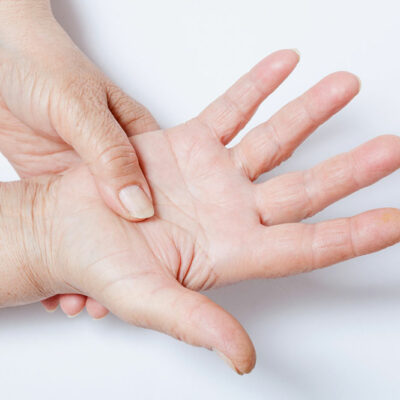
Avoid these 5 skincare mistakes that cause premature aging
health

Avoid these 5 skincare mistakes that cause premature aging

Many people want flawless, youthful skin that will seem ageless over time, and so they turn to glossy magazines, websites, and even friends for anti-aging skincare product recommendations and tips. While certain products can make one’s skin beautiful, they might be making mistakes in their skincare routine that could contribute to premature aging. So, it is important to avoid the following lapses to prevent lasting skin damage and skin diseases: Over-cleansing Even though cleansing is an essential part of one’s daily skincare routine, doing it too often can damage the lipid barrier of the skin. Additionally, it is essential to choose the right cleanser and not just go for the cheaper, more easily available product. According to experts, one must select a gentle cleanser for their face as the facial skin tends to be thin and sensitive. Also, the cleanser should be applied not more than twice per day as over-cleansing tends to dry up the skin, making the fine lines prominent. Not getting enough sleep Sleep is crucial for providing the body with the rest it needs. A good night’s sleep also helps the body repair and recover. So, sleep is crucial for the skin to recover too. When the body does not get adequate rest, one’s skin can feel tired and stressed, which could cause issues like acne, dry skin, and pale complexion, making one look older than they actually are.
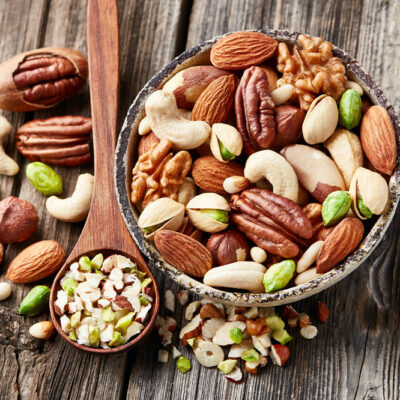
Keep away from these foods for managing hyperkalemia
health

Keep away from these foods for managing hyperkalemia

Hyperkalemia is a condition in which the blood composition experiences a tremendous increase in potassium levels. According to a journal published in 2017 by the American Society of Nephrology, Hyperkalemia is most likely to affect a person who has been taking blood pressure medications for a long time or has been stricken by heart failure or/and kidney disease. Read this article to understand everything one needs to know about Hyperkalemia: Who is likely to get affected by Hyperkalemia? According to some studies, the average American doesn’t need to stress potassium build-up in their blood. However, patients affected by kidney disease, heart ailments, or high blood pressure must limit their daily potassium intake. Experts from National Kidney Foundation believe that patients belonging to the mentioned risk groups should have no more than 2,000 milligrams of potassium per day. Food to avoid for Hyperkalemia According to the University of Michigan Health System, high-potassium foods contain more than 200 milligrams per serving. So, for patients belonging to the high-risk groups, it is essential to look out and avoid the following high-potassium foods: Fruits rich in potassium The first fruit that comes to mind while listing potassium-rich foods is bananas. However, very few are aware that the amount of potassium in bananas is 420 per fruit, which is far less than 1/2 a cup of dried apricots, including over 750 milligrams, ½ a cup of prunes containing about 600 milligrams.
6 foods to avoid to fight bronchitis
health

6 foods to avoid to fight bronchitis

Those with bronchitis deal with inflamed passages that carry air to the lungs, i.e., bronchial tubes. A swelling in those tubes occurs, which makes it far more challenging for the air to pass through them. Consequently, those who suffer from this condition face quite a few breathing difficulties. Besides that, one can experience a runny nose, sore throat, chills, fever, and ultimately, drained due to this disorder in their body. bronchitis and nutritional regime It is usual for a person suffering from bronchitis to feel like having extra salty, fatty, or sweet-tasting comfort foods. This food allows them to feel some relief from issues like throat congestion, wheezing, and coughing that are often observed to accompany this ailment. Alternatively, some people with this condition may feel like having nothing at all. However, one must be conscious of both nutritional excesses, specifically those of saturated fats and refined carbohydrates, and nutritional deficiencies. This is because both of them are prone to slowing down the recovery process and causing inflammation in the body. Foods to avoid The central part of the recovery process of bronchitis depends on what one may eat or avoid as a part of their daily meals. Therefore, to ensure that they do not face the perils of the condition for too long, here are a few foods to avoid to fight bronchitis:
6 worst foods for those with Crohn’s disease
health

6 worst foods for those with Crohn’s disease

No one other than a Crohn’s disease patient can understand how disturbing a flare-up can be. With symptoms like cramping, diarrhea, and stomach ache, one can feel so miserable that all their plans are bound to be ruined. However, that is not all. Some speculations further complicate that specific nutritional can further worsen the symptoms, making it essential to know about avoidable foods for preventing Crohn’s disease flare-ups. Crohn’s disease – Foods to avoid Note that not much has been studied or discovered about the precise link between Crohn’s disease and food habits. Not all Crohn’s patients are affected by the same set of foods. Consequently, there is no one size fits all meal regimes for those with Crohn’s disease. Here are a few foods that a patient with Crohn’s disease must avoid, specifically when they experience a flare-up: Whole grains The first and foremost thing a patient with Crohn’s disease must avoid during a flare-up is fiber, of which whole grains like whole-wheat pasta, whole-grain bread, bran, and popcorn are a rich source. Fiber tends to cause a lot of traffic along the GI tract, leading to irritation and inflammation in someone undergoing a Crohn’s disease flare-up. Beans For ordinary people, Beans serve as a rich source of nutrients.
5 unsuitable foods for people with Crohn’s
health

5 unsuitable foods for people with Crohn’s

Crohn’s disease is a provoking bowel disease that causes tremendous discomfort when the person with the disease experiences a flare-up. Under this disorder, symptoms like cramping, diarrhea, and stomach ache become an everyday affair, often disrupting the patient’s daily life. To make matters worse, the nutrition of a patient with Crohn’s disease can significantly contribute to worsening the symptoms during an active flare-up. Foods to avoid Not much has been researched or found about the precise relation between Crohn’s disease and food habits. Also, not all patients experience the same reactions to specific foods. Consequently, no fixed nutritional regime exclusively devoted to Crohn’s has been set by the experts. However, particular foods have been identified as prime suspects for triggering inflammation in the body. Accordingly, health experts recommend avoiding such foods when the patient’s gut health is not good. Here are a few edibles that patients with Crohn’s must avoid when they have an active flare-up: Beans While beans are nutritious for ordinary people, patients with Crohn’s disease-induced flare-ups must avoid them as they cause gastritis because of the presence of high fiber content. Whole grains Foods made from whole grains like whole-grain bread, bran, whole-wheat pasta, and popcorn have fiber.
Foods that must be avoided to fight multiple sclerosis
health

Foods that must be avoided to fight multiple sclerosis

Multiple sclerosis (MS) is a health condition that primarily impacts a person’s central nervous system. Initially, it may appear that foods hardly play any significant role in worsening the condition or activating the symptoms. However, only after some trial and error do people diagnosed with MS realize that certain foods are prone to trigger their symptoms. Foods to avoid for managing Multiple Sclerosis Even though no recommended nutritional regime is exclusively devoted to MS, health professionals usually advise consuming whole foods under such conditions. Besides that, certain food items are to be avoided so that the patients can do away with the perils of the symptoms. Here is a list of foods patients with MS must give up to ease the symptoms. Saturated Fats Saturated Fats primarily come from full-fat dairy products and foods containing coconut or palm oil. They are related to inflammation due to their tendency to increase LDL or bad cholesterol. A rise in bad cholesterol, in turn, increases the chances of atherosclerosis, which can lead to strokes or cardiac arrests. Trans Fats Patients with Multiple sclerosis are also recommended to avoid trans fats found in crackers, pies, backed cookies, or packaged food items. The reason is the inflammatory properties inherent in trans fats.
Top 6 foods to manage psoriatic arthritis symptoms
health

Top 6 foods to manage psoriatic arthritis symptoms

Psoriatic arthritis is a chronic inflammatory condition that affects vital bone joints. There are no known causes of the condition, but doctors attribute the risk of psoriatic arthritis to several genetic predispositions, immunity, and environmental triggers. There is no cure for the condition yet, but healthy changes in food and lifestyle combined with certain treatment options can improve quality of life. Here are six foods that can help manage psoriatic arthritis in the long term. Fatty fish Fatty fish such as trout, sardines, mackerel, and salmon are high in omega-3 fatty acids that possess potent anti-inflammatory effects. Studies have shown people consuming fatty fish showed decreased levels of specific inflammation-related markers, reduced morning stiffness, and joint pain intensity. Fatty fish are also rich in vitamin D, a nutrient that can help prevent symptoms of psoriatic arthritis. According to the AHA (American Heart Association), including a minimum of around two servings of fatty fish in one’s food helps fight against inflammation effectively. Garlic Garlic is loaded with inflammation fighting phytonutrients has also been shown to have anti-inflammatory properties that go a long way in helping reduce the symptoms of arthritis and help strengthen the immune system. In addition, the potent herb can be helpful in lowering the risks of complications linked to psoriatic arthritis.
Parkinson’s disease – Foods to have and avoid
health

Parkinson’s disease – Foods to have and avoid

Parkinson’s disease affects a large number of individuals in the country. It is characterized by tremors and rigid muscles and affects the day-to-day functioning of the individual.  No specific nutritional program can help cure Parkinson’s disease. But research has shown that following a healthy meal plan and nurturing a healthy body can help deal with the condition better. Herein, we shall discuss the foods that help tackle Parkinson’s as well as those to be avoided. These foods are highly recommended for Parkinson’s disease patients: Fatty fish Fatty fish can go a long way in helping tackle Parkinson’s disease. The omega-3 fatty acids present in fatty fish can help reduce inflammation of the nerves and improve neurotransmission. Omega-3s can also help slow the progression of neurodegeneration due to Parkinson’s disease. Foods high in antioxidants Free radicals can damage organs and fatty tissue, and even lead to the development of Parkinson’s in the body. Antioxidants help tackle free radicals that wreak havoc in the body. Blueberries, grapes, strawberries, and citrus fruits are great sources of antioxidants.   Foods with high nutritional value Those who suffer from Parkinson’s disease also suffer from nutrient deficiencies. To tackle this issue, eating foods with tons of zinc, iron, and essential vitamins becomes cricial.
Foods and home remedies to manage flu
health

Foods and home remedies to manage flu

When a person is down with the flu, they may not feel like eating much. However, healthy food is essential to keep the bug down. Fevers, body aches, colds, and cough take a toll on the body, leading to added weakness. Foods that are high in nutrients add to the body’s defense and make the immune system stronger to fight the illness. Here’s a list of foods and home remedies for flu relief. Foods for Relief from Flu Chicken soup Chicken soup contains vitamins, minerals, calories, and proteins, which are required when you’re down with flu. It is packed with amino acid cysteine, which is known to have antiviral, antioxidant, and anti-inflammatory effects. Additionally, chicken soup is a complete meal that boosts immunity and opens up blocked nasal passages. Broths Any kind of broth is a rich source of fluids, nutrients, and electrolytes. It is easy to digest, rich in collagen, and reduces dehydration, promoting faster recovery from the flu. Most broths also contain amino acids, which are an essential source of protein. Consider making or buying a low-salt broth if you are watching your sodium intake. Hot tea After chicken soup, hot tea is a popular remedy for cold and flu.
Top 3 counties with the highest cancer rates
health

Top 3 counties with the highest cancer rates

Not many people may realize this, but the location of an individual’s residence plays a huge part in their overall health. The pollution, changing climatic conditions, and exposure to carcinogens can lead to serious conditions, such as hypertension and cancer. Over the years, there has been significant research on which counties have the highest rates of cancer. This article talks about the top 3 counties in the country that qualify. Top 3 Counties with the Most Cases of Cancer Union County, Florida This county ranks first in the list of counties with the highest rates for all types of cancer. It ranks high for cases of lung cancer, leukemia, and colon and rectal cancer. Union County’s high rate of 1,135 cancer cases every 100,000 people is almost double the second entry on the list. It was recognized as the least healthy county in 2017. The lack of funds and poverty levels prevalent in the area could be the leading cause of cancer since it prevents citizens from accessing the health services required. Logan County, Nebraska With 677.2 cancer cases per every 100,000 people, this county comes in second on the list. It ranks high for the most Non-Hodgkin lymphoma fatalities.

Top Articles

Symptoms, causes, and risks of peptic ulcer
health

Symptoms, causes, and risks of peptic ulcer

Peptic ulcer affects about 4.6 million Americans every year. Peptic ulcer results in open sores forming on the upper portion of the small intestine and the inside lining of the stomach. The first one is known as the duodenal ulcer, and the second type is known as a gastric ulcer. Read on to know more about its symptoms, causes, and risks associated with this condition. Symptoms of peptic ulcer If you feel a burning pain in the stomach, then it can be a sign of peptic ulcers, as it is the most common symptom of the disease. The pain can get worse at night or between meals. The acid in your stomach makes it worse. Other than the pain, some other common symptoms of peptic ulcers include feeling bloated or full, intolerance to fatty food, nausea, and heartburn. Apart from these, the other signs may include: Vomiting with the presence of blood Presence of dark blood in the stool Trouble in breathing Feeling faint Nausea Sudden weight loss Change in appetite Taking acid blockers can relieve the pain temporarily. If it keeps coming back, you need to contact your doctor. Causes of peptic ulcer Stomach conditions may have a variety of causes, which is true for peptic ulcers too.
Heart disease – Symptoms, causes, and risk factors
health

Heart disease – Symptoms, causes, and risk factors

Several diseases are included under the umbrella term of heart diseases and are also called cardiovascular diseases. They lead to the blood vessels becoming narrow or getting blocked, which, in turn, can result in a heart attack or stroke or cause pain in the chest. Other heart conditions affect the heart’s muscle, rhythm, or valve. Symptoms The symptoms vary according to the condition diagnosed. The symptoms of common cardiovascular diseases are discussed below. Symptoms of atherosclerotic disease Pain in the chest or feeling a sense of tightness or discomfort in the area Shortness of breath Limbs feeling numb or severely cold if the blood vessels have narrowed in the area, as it affects blood circulation Pain in the jaw, back, upper abdomen, or neck Symptoms of abnormality in the heartbeat or arrhythmia Fluttering sensation in the chest Racing or slow heartbeat Discomfort or pain in the chest Feeling dizzy or fainting Light-headedness Symptoms of heart defects or related conditions Skin color turning blue or pale gray Abdominal swelling or swelling in the area surrounding the eyes Shortness of breath while feedings in case of an infant Symptoms of dilated cardiomyopathy Breathlessness Swelling in the legs, feet, and ankles Feeling a sense of fatigue and dizziness Irregular heartbeat Symptoms related to heart infections Fever Shortness of breath Feeling weak Change in the heart rhythm Persistent cough Skin rashes Causes The causes vary depending on the type of heart disease one is affected with.
Symptoms, causes, and risk factors of immune system disorder
health

Symptoms, causes, and risk factors of immune system disorder

The immune system is referred to as the defense system that protects the body against different kinds of diseases. The stronger the immune system, the higher will be the chances of the body staying away from diseases. Suffering from immunodeficiency or immune system disorder is a cause of concern and must be immediately addressed. Symptoms Cold hands If the blood vessels suffer from inflammation, it gets difficult for the ears, toes, fingers, and nose to stay warm. The affected portion of the skin turns white. Slowly, the color changes into blue when these areas are further exposed to some cold object or atmosphere. When the flow of the blood becomes normal, the skin turns back to red. Medical experts refer to this as the Raynaud’s phenomenon. It is one of the most commonly observed symptoms of immune system disorder. Dry eyes When a person is suffering from an autoimmune disorder, his immune system, instead of protecting his body against diseases, attacks it. Lupus and rheumatoid arthritis are two of the most common examples of this condition. People who suffer from an autoimmune disorder tend to have dry eyes. The person will feel the presence of some grainy object when this happens.
Common joint conditions and their symptoms and risk factors
health

Common joint conditions and their symptoms and risk factors

Joint conditions are commonly associated with increasing age, but they can also be a result of injuries or may develop due to other medical conditions affecting bone and joint health. Arthritis, a commonly diagnosed joint condition, has over 200 types. Depending on the severity of the disease, these conditions can also affect a patient’s quality of life. Read on to know the symptoms, causes, and factors that increase one’s risk of developing joint conditions. Symptoms of joint conditions The following are some of the symptoms that most joint conditions are accompanied by: Joint stiffness Weakness in the joints Inflammation, swelling, and redness of the affected joint Limping due to pain and stiffness Joint getting locked Tearing of the cartilage Commonly-diagnosed joint conditions and their causes Osteoarthritis This form of arthritis involves the wear-and-tear of the joint’s cartilage, which means the risk of developing this disease elevates with age. The cartilage plays the role of a cushion between the bones in order to prevent friction that can cause damage. Damaged cartilage due to this condition results in the bones losing their protection and clashing, causing pain and restricting movement and flexibility. This usually occurs gradually, but it can also develop suddenly in the case of an infection or injury.
All you need to know about menopause
health

All you need to know about menopause

Menopause marks the end of a woman’s menstrual cycles. It is typically diagnosed after a year of no menstrual periods, but it begins much before that. Menopause occurs in your forties and even fifties, but the average age when it occurs in the US is 51. While it is a natural and biological process, the physical symptoms and the hot flashes may cause disruptions in your sleep and even affect your emotional health in general. There are plenty of treatments available. But, to get started, you need to know what the condition looks and feels like. Here are the symptoms, causes, and complications related to menopause. Symptoms of menopause In the time leading up to menopause, you may experience some common symptoms such as irregularity in periods, dryness in the vagina, as well as hot flashes. Some people also experience chills, sleep problems, mood swings, and night sweats. Weight gain and slowed metabolism are two other symptoms that commonly occur with menopause. Menopausal women may even experience dry skin and thinning hair on a regular basis. However, this is not to say that all women experience these symptoms. Different women go through different issues. Depending on your health in general, you may experience varying levels of symptoms.
Mental health conditions – What you should know
health

Mental health conditions – What you should know

Millions of people live with different types of mental illnesses and health problems. These include obsessive-compulsive disorder, social anxiety, and personality disorders. All of these come under the umbrella of mental health. In this article, we will cover the symptoms, causes, and risk factors of some common mental health disorders such as obsessive-compulsive disorder (OCD), post-traumatic stress disorder (PTSD), and clinical depression to help you understand them better. Symptoms The common symptoms of mental health disorders include: Obsessive-compulsive disorder People with OCD may present the following symptoms: Constant fear of contamination and extra emphasis on cleanliness Signs of hoarding and counting belongings continuously Signs of excessive concern toward personal safety Post-traumatic stress disorder Somebody suffering from PTSD may show the following symptoms: Constantly suffering through intrusive memories Negative patterns in mood and mindset Trying to avoid thinking of the traumatic event Feeling changes in emotional and physical reactions Clinical depression The symptoms of clinical depression include: Being moody and experiencing different emotions, such as aggressiveness, anxiousness, and restlessness Adverse effect on sexual life A decline of cognitive abilities Poor sleep patterns If you notice any of these symptoms, we recommend consulting with a mental health doctor immediately. Causes The common causes of any mental health disorder include the following: