Myelodysplastic syndromes – Signs and management
health

Myelodysplastic syndromes – Signs and management

Myelodysplastic syndromes are a group of disorders caused by poorly formed blood cells or those that don’t function properly. This condition results from something missing in the spongy section inside the bones where the blood cells are formed (bone marrow). However, some signs and symptoms can help diagnose the condition, followed by a treatment or management plan that helps keep the body functioning well. Read more to discover the common signs and a management plan. Signs and symptoms These do not appear at the start and will start to show when the condition has started affecting other body parts. Shortness in breath Unusual paleness caused by a lack of red blood cells, also called anemia Unusual bleeding or bruising that happens often and easily. This is caused by a low blood platelet count called thrombocytopenia Tiny red spots appear right under the skin, and this is caused by bleeding underneath, also called petechiae Experiencing fatigue Frequent infections due to low white blood cells, also called leukopenia Treatment options There is no cure for this disease, but some management options may help slow the progression of the disease, such as: Blood transfusions One approach to alleviate the symptoms of this illness is by utilizing healthy blood cells obtained from a donor to replace the red blood cells and platelets in affected individuals.

Key management tips to get rid of hemorrhoids
health

Key management tips to get rid of hemorrhoids

Hemorrhoids refer to the swollen veins in the lower rectum and anus region of the body and are also known as piles. Depending on where they develop, they can be classified into internal and external. Various treatment options are available to help get rid of them, including home remedies, minimally invasive procedures, and lifestyle changes that can help manage the condition. Here are some of the treatment options that one can explore. Home remedies and lifestyle changes High-fiber food: Foods with high fiber content soften the stool and help increase its bulk. This means the bowel movement is easy and does not cause strain. Topical treatments: Some doctors recommend using a hemorrhoid cream, which has numbing properties. Soak in warm water: Soaking the anal area in warm water a couple of times a day is recommended. Soak for 10-15 minutes to help relieve discomfort, and repeat as necessary. A sitz bath that fits over the toilet is available. Minimally invasive procedures Rubber band ligation: In this procedure, the doctor may use a rubber band at the base of the internal hemorrhoid, which cuts off the blood flow to the area. After a couple of weeks, the hemorrhoid falls off by itself.
Top 4 ways to boost testosterone
health

Top 4 ways to boost testosterone

Testosterone is an important hormone that affects many functions in the body. For instance, it triggers physical changes like muscle development, hair growth, and voice changes. The hormone is majorly produced in the testis and ovaries, but the adrenal glands also produce it in small amounts. An optimal level of testosterone is essential for the body to function well. Those with low levels can gradually boost testosterone in a few simple ways. Exercise There are several notable benefits to exercising, and an important one that makes it to the list is increased testosterone in the body. However, the extent of this benefit depends on what kind of exercise one performs and how intensely. Weight training is noted to boost the levels of this hormone in the body for the short term. Minimize stress When stressed, the body’s cortisol level shoots up, which reduces testosterone levels. This is because the two hormones share an inverse relationship with each other. If one goes up, the other comes down, and vice versa. Get more vitamin D Vitamin D is an essential micronutrient that helps one build strong bones and sleep well. Some studies also suggest low vitamin D may be linked to low testosterone.
4 smart tips to buy eyeglasses online
health

4 smart tips to buy eyeglasses online

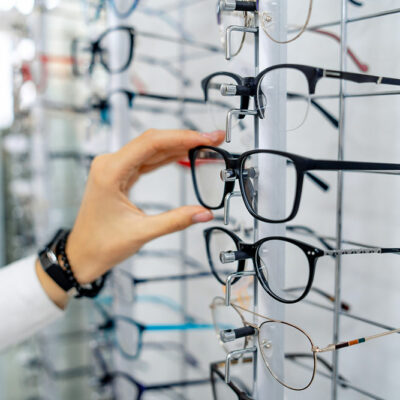
The eyes are the windows to one’s world, helping one perceive and make sense of everything around. Any eye-related issues should be diagnosed and treated as early as possible. Ophthalmologists suggest corrective eyeglasses for those who have problems with vision. But over time, eyeglasses have evolved from being mere aids to seeing better; they are now style statements in themselves and are easily available online. Here are some tips to buy the right eyeglasses online. Get an ophthalmologist’s prescription To qualify to buy eyeglasses online, one should get an ophthalmologist’s prescription. This helps professionals better identify one’s specific condition and lens requirements. It is advisable to avoid taking any risks when it comes to buying eyeglasses because not selecting the right ones can cause fatal accidents. The prescription needs to be submitted online during checkout when purchasing eyeglasses online. Choose the right frame Eyeglasses’ frames define one’s style statement. Choosing the right frame goes a long way in enhancing one’s overall look. The main aspects one needs to consider when choosing eyeglass frames are their size, color, shape, and size. Also, selecting frames of the right shape depends mainly on one’s face shape. For example, those with oval faces may do better with round, cat-eye, or rectangular frames, whereas rectangular or square frames may best suit those with round faces.
5 tips to consider when choosing the right multivitamins
health

5 tips to consider when choosing the right multivitamins

Multivitamins have become one of the most important nutritional necessities in today’s world. Even after eating healthy meals, one does not always get all the essential vitamins and minerals, which is especially true today because of busy lifestyles, processed foods, and environmental factors. So, in such cases, how can one determine which multivitamins are suitable for one’s health? Here are some tips to help one choose the right ones. Check for USP verification One should check for the USP-verified seal of a nonprofit organization called the U.S. Pharmacopeial Convention. This seal ensures that the multivitamins are pure and contain the ingredients listed on the label. One can also check for other quality verifications, like NSF International, which ensures proper contents, and Consumerlab, which evaluates purity and contamination. Understand physical requirements Before taking multivitamins, one should get a health evaluation to determine one’s specific nutritional needs. Many women over 30, for example, or older adults may need calcium and vitamin D, while premenopausal women may need more iron. Nutrient requirements depend on age, gender, medical condition, and other environmental and lifestyle factors. Know about micronutrients Apart from the well-known nutrients like calcium, iron, magnesium, vitamin C, and potassium, there are also other micronutrients to be aware of.
4 side effects of taking excessive vitamin B12 supplements
health

4 side effects of taking excessive vitamin B12 supplements

Many people take vitamin B12 supplements on their own or as prescribed by their doctors. This is because a substantial number of people do not get enough vitamin B12 from their food. Vitamin B12 is an essential vitamin that helps maintain the proper cell metabolism process and rate. However, its excessive intake can cause extra deposition of the vitamin in the body, resulting in associated side effects like the ones mentioned below. Digestive issues Overconsumption of vitamin B12 supplements can result in gastrointestinal problems. When the body has an excess amount of the supplement, it can lead to digestive distress. Symptoms can include mild diarrhea, nausea, and indigestion. Individuals who already have gastrointestinal problems or who are older are at a higher risk of developing this side effect. Insomnia Excessive consumption of vitamin B12 can worsen insomnia in individuals who already suffer from the condition. When the vitamin levels in the body cross the required amount, it can interfere with the person’s normal sleep cycle. Molecules of vitamin B12 act as an energy booster in the blood. A sudden rise in its level can adversely affect the body’s sleep and rest cycle, leading to insomnia. Skin rash Skin rashes are another common sign in patients who have taken too many vitamin B12 supplements.
6 common causes of constipation
health

6 common causes of constipation

Constipation is a common digestive condition that can impact people of all ages. It is the inability of an individual to pass stools regularly. It can also be described as unsatisfactory emptying of the bowels. Constipation causes unusually hard or lumpy stools and its severity will differ depending on the cause. Some might experience constipation for a short period. However, for chronic constipation, proper treatment is essential. Here are some common causes of constipation. Limited fiber intake Low intake of fiber is among the leading causes of constipation, especially if one’s food is high in fats. The presence of fiber in the body helps bulk up the stool and makes it softer. It also means higher absorption of water. Increasing fiber intake in the form of fruits and vegetables can help one manage constipation. Inactive lifestyle Leading an inactive life can be another major contributing factor to constipation. People with low levels of physical activity or those who do not get enough exercise or movement throughout the day are at a higher risk of developing this digestive trouble. The connection between exercise and constipation is yet to be determined. However, it is believed that exercising can help in the smooth passage of stools from the colon.
5 health benefits of swimming
health

5 health benefits of swimming

While three-quarters of the planet is water, many fear venturing into it. Fortunately, knowing how to swim helps overcome the fear of water and can save one’s life in a sea emergency. Swimming is an immensely popular recreational activity and sport, especially with the availability of community swimming pools in societies, gymnasiums, etc. In addition to being enjoyable and relaxing, swimming has several health benefits for the body and mind. Enhances cardiovascular fitness and lung health Since swimming is an excellent cardio activity, it causes the heart to pump blood and oxygen to different body parts more than usual. This way, the body learns to utilize oxygen better, improving heart and lung health. In fact, swimming is advised for many people with asthma, chronic obstructive pulmonary disease, and other respiratory conditions. Helps lose those extra pounds Since swimming engages the entire body, from arms and shoulders to legs, core, and glutes, it is a highly effective way to shed some extra pounds and burn calories. Studies have shown that a person weighing 155 pounds burns nearly 432 calories by swimming. Improves cognition Besides enhancing physical health and fitness, swimming also has several benefits for the brain, such as improved memory, cognition, mood, and immune response.
4 common sleep apnea mistakes to avoid
health

4 common sleep apnea mistakes to avoid

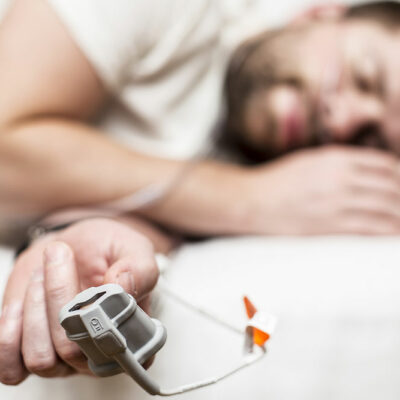
Sleep apnea is a severe, sleep-related disorder triggered by airway obstruction. This condition causes a person’s breathing to suddenly stop and start when asleep . Sometimes, a change in the brain’s function related to breathing and chest muscles can cause sleep apnea. Sleep apnea is chronic and not curable; however, it can be managed by using a CPAP machine and avoiding some common mistakes people tend to make. Sleep apnea mistakes Here are a few common sleep apnea mistakes to avoid: 1. Following an unhealthy lifestyle When not managed well, sleep apnea is known to stress the heart by raising blood pressure and causing mood swings. It also affects one’s ability to think clearly. All of these get worse if one follows an unhealthy lifestyle. For instance, the symptoms of sleep apnea are aggravated if a person’s lifestyle is mostly sedentary. The lack of any physical activity causes oxygen and energy levels to go down, making it harder to sleep. 2. Not changing sleep position A common mistake many people with sleep apnea make is not changing their sleep position. This is especially true for those who have a habit of sleeping on their back. Sleeping on one’s back increases the likelihood of obstruction in breathing during sleep.
Early signs and management options of lupus
health

Early signs and management options of lupus

Lupus is  a condition where  the body’s immune system begins to attack its  own  healthy cells, muscles, tissues, and organs, causing severe inflammation. It can occur in any body part, such as the joints, skin, blood cells, brain, kidneys, heart,  and/or  lungs. Symptoms of this autoimmune disease begin to appear  between the ages of 15 and 44 and can  often be difficult to detect due to their similarity with other ailments. Early signs of lupus One of the most common signs  of lupus is the appearance of a butterfly-shaped rash on the face that covers the cheeks and  the bridge of the nose. Other signs and symptoms may include: – Fatigue – Unexplained fever, between 98.5˚F (36.9˚C) and 101˚F (38.3˚C) – Joint pain, stiffness,  and/or  swelling – Skin lesions that change depending on sun exposure – Fingers or toes that appear blue or white  when exposed to the cold – Shortness of breath – Chest pain – Dry eyes – Headaches, confusion, and memory problems – Hair loss or the appearance of bald spots on the scalp – Kidney inflammation with symptoms like swelling in the lower legs and feet, high blood pressure, blood in the urine, darker urine, pain in the side of the body, or a frequent urge to urinate at night – Gastrointestinal problems like heartburn and acid reflux – Thyroid problems – Dry mouth Lupus treatment Currently, there is no known cure for lupus.  However, the condition can be managed using a combination of treatments to prevent flare-ups and minimize damage to the  organs in the body .

Top Articles

Symptoms, causes, and risks of peptic ulcer
health

Symptoms, causes, and risks of peptic ulcer

Peptic ulcer affects about 4.6 million Americans every year. Peptic ulcer results in open sores forming on the upper portion of the small intestine and the inside lining of the stomach. The first one is known as the duodenal ulcer, and the second type is known as a gastric ulcer. Read on to know more about its symptoms, causes, and risks associated with this condition. Symptoms of peptic ulcer If you feel a burning pain in the stomach, then it can be a sign of peptic ulcers, as it is the most common symptom of the disease. The pain can get worse at night or between meals. The acid in your stomach makes it worse. Other than the pain, some other common symptoms of peptic ulcers include feeling bloated or full, intolerance to fatty food, nausea, and heartburn. Apart from these, the other signs may include: Vomiting with the presence of blood Presence of dark blood in the stool Trouble in breathing Feeling faint Nausea Sudden weight loss Change in appetite Taking acid blockers can relieve the pain temporarily. If it keeps coming back, you need to contact your doctor. Causes of peptic ulcer Stomach conditions may have a variety of causes, which is true for peptic ulcers too.
Heart disease – Symptoms, causes, and risk factors
health

Heart disease – Symptoms, causes, and risk factors

Several diseases are included under the umbrella term of heart diseases and are also called cardiovascular diseases. They lead to the blood vessels becoming narrow or getting blocked, which, in turn, can result in a heart attack or stroke or cause pain in the chest. Other heart conditions affect the heart’s muscle, rhythm, or valve. Symptoms The symptoms vary according to the condition diagnosed. The symptoms of common cardiovascular diseases are discussed below. Symptoms of atherosclerotic disease Pain in the chest or feeling a sense of tightness or discomfort in the area Shortness of breath Limbs feeling numb or severely cold if the blood vessels have narrowed in the area, as it affects blood circulation Pain in the jaw, back, upper abdomen, or neck Symptoms of abnormality in the heartbeat or arrhythmia Fluttering sensation in the chest Racing or slow heartbeat Discomfort or pain in the chest Feeling dizzy or fainting Light-headedness Symptoms of heart defects or related conditions Skin color turning blue or pale gray Abdominal swelling or swelling in the area surrounding the eyes Shortness of breath while feedings in case of an infant Symptoms of dilated cardiomyopathy Breathlessness Swelling in the legs, feet, and ankles Feeling a sense of fatigue and dizziness Irregular heartbeat Symptoms related to heart infections Fever Shortness of breath Feeling weak Change in the heart rhythm Persistent cough Skin rashes Causes The causes vary depending on the type of heart disease one is affected with.
Symptoms, causes, and risk factors of immune system disorder
health

Symptoms, causes, and risk factors of immune system disorder

The immune system is referred to as the defense system that protects the body against different kinds of diseases. The stronger the immune system, the higher will be the chances of the body staying away from diseases. Suffering from immunodeficiency or immune system disorder is a cause of concern and must be immediately addressed. Symptoms Cold hands If the blood vessels suffer from inflammation, it gets difficult for the ears, toes, fingers, and nose to stay warm. The affected portion of the skin turns white. Slowly, the color changes into blue when these areas are further exposed to some cold object or atmosphere. When the flow of the blood becomes normal, the skin turns back to red. Medical experts refer to this as the Raynaud’s phenomenon. It is one of the most commonly observed symptoms of immune system disorder. Dry eyes When a person is suffering from an autoimmune disorder, his immune system, instead of protecting his body against diseases, attacks it. Lupus and rheumatoid arthritis are two of the most common examples of this condition. People who suffer from an autoimmune disorder tend to have dry eyes. The person will feel the presence of some grainy object when this happens.
Common joint conditions and their symptoms and risk factors
health

Common joint conditions and their symptoms and risk factors

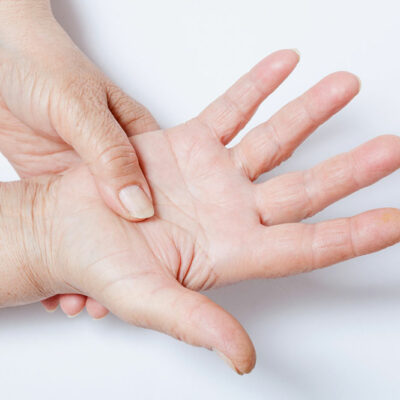
Joint conditions are commonly associated with increasing age, but they can also be a result of injuries or may develop due to other medical conditions affecting bone and joint health. Arthritis, a commonly diagnosed joint condition, has over 200 types. Depending on the severity of the disease, these conditions can also affect a patient’s quality of life. Read on to know the symptoms, causes, and factors that increase one’s risk of developing joint conditions. Symptoms of joint conditions The following are some of the symptoms that most joint conditions are accompanied by: Joint stiffness Weakness in the joints Inflammation, swelling, and redness of the affected joint Limping due to pain and stiffness Joint getting locked Tearing of the cartilage Commonly-diagnosed joint conditions and their causes Osteoarthritis This form of arthritis involves the wear-and-tear of the joint’s cartilage, which means the risk of developing this disease elevates with age. The cartilage plays the role of a cushion between the bones in order to prevent friction that can cause damage. Damaged cartilage due to this condition results in the bones losing their protection and clashing, causing pain and restricting movement and flexibility. This usually occurs gradually, but it can also develop suddenly in the case of an infection or injury.
All you need to know about menopause
health

All you need to know about menopause

Menopause marks the end of a woman’s menstrual cycles. It is typically diagnosed after a year of no menstrual periods, but it begins much before that. Menopause occurs in your forties and even fifties, but the average age when it occurs in the US is 51. While it is a natural and biological process, the physical symptoms and the hot flashes may cause disruptions in your sleep and even affect your emotional health in general. There are plenty of treatments available. But, to get started, you need to know what the condition looks and feels like. Here are the symptoms, causes, and complications related to menopause. Symptoms of menopause In the time leading up to menopause, you may experience some common symptoms such as irregularity in periods, dryness in the vagina, as well as hot flashes. Some people also experience chills, sleep problems, mood swings, and night sweats. Weight gain and slowed metabolism are two other symptoms that commonly occur with menopause. Menopausal women may even experience dry skin and thinning hair on a regular basis. However, this is not to say that all women experience these symptoms. Different women go through different issues. Depending on your health in general, you may experience varying levels of symptoms.
Mental health conditions – What you should know
health

Mental health conditions – What you should know

Millions of people live with different types of mental illnesses and health problems. These include obsessive-compulsive disorder, social anxiety, and personality disorders. All of these come under the umbrella of mental health. In this article, we will cover the symptoms, causes, and risk factors of some common mental health disorders such as obsessive-compulsive disorder (OCD), post-traumatic stress disorder (PTSD), and clinical depression to help you understand them better. Symptoms The common symptoms of mental health disorders include: Obsessive-compulsive disorder People with OCD may present the following symptoms: Constant fear of contamination and extra emphasis on cleanliness Signs of hoarding and counting belongings continuously Signs of excessive concern toward personal safety Post-traumatic stress disorder Somebody suffering from PTSD may show the following symptoms: Constantly suffering through intrusive memories Negative patterns in mood and mindset Trying to avoid thinking of the traumatic event Feeling changes in emotional and physical reactions Clinical depression The symptoms of clinical depression include: Being moody and experiencing different emotions, such as aggressiveness, anxiousness, and restlessness Adverse effect on sexual life A decline of cognitive abilities Poor sleep patterns If you notice any of these symptoms, we recommend consulting with a mental health doctor immediately. Causes The common causes of any mental health disorder include the following: