4 common questions to ask a dermatologist
beauty

4 common questions to ask a dermatologist

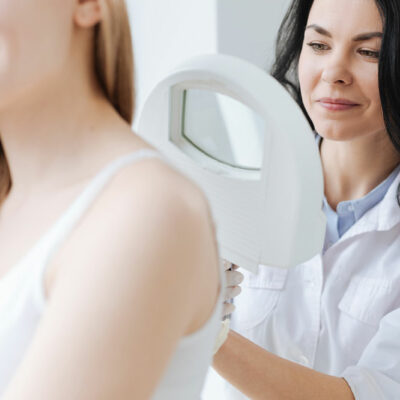
It’s easy to go shopping and spend on skincare products at a store. But knowing what products you need for healthy, glowing skin is more important. So, it’s recommended to consult a dermatologist to get clarity on all skin-related concerns. Whether it’s a skin condition that needs immediate attention or simply a product-related question, you will get all the solutions. Here are four questions to ask your dermatologist on your next visit. What skincare regimen should I follow? Tons of skincare products are being recommended online/offline by everyone, from celebrities to social media influencers. However, what works for them may not work for you. So instead of doing trial and error with your skin, ask your dermatologist directly. They will recommend what’s suitable for your skin, from cleansers to serums and everything in between. What are the risks of skin cancer? Everyone is at risk for skin cancer, no matter what type of skin you have. As per the American Academy of Dermatology, at least 1 in 5 persons will have skin cancer in their lifetime. It includes non-melanoma as well as melanoma skin cancer. So the next time you visit your dermatologist, ask them about the various risk factors that can make you prone to skin cancer.

5 common hair removal methods for smooth skin
beauty

5 common hair removal methods for smooth skin

Hair removal is a common practice for individuals seeking smooth, hair-free skin, and the method of achieving this varies for all. Various types of hair removal methods and products are available in the market, each offering unique advantages and considerations. Finding the right method depends on one’s preferences, skin sensitivity, and desired outcomes. Here are some of the most common methods to consider, ranging from traditional techniques to modern permanent solutions. Electric shavers Electric shavers consist of rotating or oscillating blades that trim hair at the skin’s surface. These hair removal products reduce the risk of cuts and nicks compared to traditional razors. They can be used on various body parts, including the face, legs, underarms, and bikini area. However, most electric shavers may require recharging or battery replacement, which can be inconvenient if the device loses power during use. Hot wax Another common and widely used hair removal method is hot wax. This method involves applying melted wax onto the skin and removing it quickly with a strip to uproot the hair. Waxing removes hair from the root, providing a hair-free period that can last up to six weeks. Apart from its long-lasting results, waxing can lead to thinner and softer hair regrowth over time and exfoliate the skin.
5 makeup tips for concealing skin lesions
beauty

5 makeup tips for concealing skin lesions

Women use makeup for many reasons; some like to showcase their creativity or express their individuality. There are also other reasons to use makeup, including camouflaging psoriasis or skin conditions like acne. Of course, there are treatments to help one manage the condition. However, these skin complications could leave lesions that may not go away for extended periods. Therefore, here are five makeup tips to help one cover the effects of psoriasis and acne. Prepare the skin The first step before applying any makeup product on the skin is to prepare the skin for the process. One should wash hands and the skin that requires makeup thoroughly before starting with the makeup application. Proper hygiene can protect the skin from attracting foreign germs while making the skin conditions less visible. Use soft, clean tools It is also important to use clean cosmetic tools to avoid worsening the skin condition. A few tools one could use include soft-bristle brushes, beauty blenders, sponges, and cotton applicators. One should also wash makeup brushes and other tools every 7 to 10 days to prevent skin infections. Furthermore, one should refrain from sharing cosmetic tools to prevent complications. Keep it light Applying more makeup to conceal a lesion is not the best idea.
4 common beard grooming mistakes to avoid
beauty

4 common beard grooming mistakes to avoid

A well-groomed and healthy beard requires more than just letting it grow wild. It demands attention, care, and the right grooming techniques. While some mistakes may seem harmless at first, they can lead to dry, itchy, and unruly facial hair that detracts from your overall appearance. So without further ado, here is a list of mistakes you must avoid to achieve the impressive and dapper beard you desire. Using regular shampoo People often use their hair shampoo as their beard cleanser. It is not as great a strategy as it sounds. Most regular shampoos are formulated to strip the oil from the scalp and degrease the hair. Your facial hair does not need the same treatment. Regular shampoos can leave your hair and skin dry. This will result in coarser, itchier, and drier hair. Instead, swap it for a beard wash or shampoo about twice or thrice weekly for better results. This will prevent over-drying and keep the area clean. Skipping oil Of all the tools in your arsenal, the most common mistake you can make is overlooking the beard oil bottle. It costs you in the form of increased itchiness and flaky skin on your cheeks and chin. It seals in moisture and provides the beard with a healthy sheen.
Top 5 reasons to consider permanent hair removal
beauty

Top 5 reasons to consider permanent hair removal

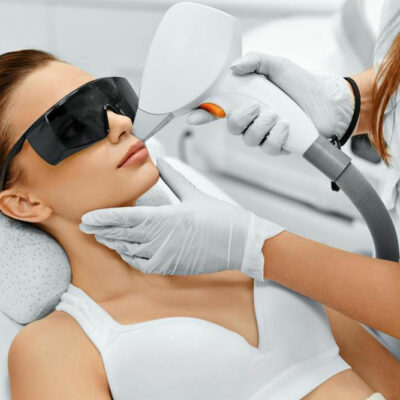
Most people can find unwanted hair as a source of frustration and embarrassment. Further, some can struggle with excessive hair growth. In such cases, temporary hair removal methods like shaving, waxing, and threading may offer short-term solutions. However, they often come with inconveniences, pain, and maintenance. But out of these, permanent hair removal provides a lasting solution to this common issue. Hence, here are some compelling reasons to consider permanent hair removal. Saves time and maintenance One of the most significant advantages of permanent hair removal is the time it saves. Shaving or waxing regularly can add to a significant chunk of one’s daily routine. Here, permanent methods like laser hair removal or electrolysis significantly reduce the need for these repetitive tasks, giving one more free time and eliminating the hassle of constant grooming. No razor bumps and ingrown hairs Regular shaving can lead to razor bumps and ingrown hairs, causing discomfort and skin irritation. However, these issues are practically eliminated with permanent hair removal methods, as they target the hair follicles beneath the skin’s surface, preventing regrowth and associated skin problems. Cost-effective in the long run While permanent hair removal may seem more expensive upfront, it’s a cost-effective choice over time.

Top Articles

Symptoms, causes, and risks of peptic ulcer
health

Symptoms, causes, and risks of peptic ulcer

Peptic ulcer affects about 4.6 million Americans every year. Peptic ulcer results in open sores forming on the upper portion of the small intestine and the inside lining of the stomach. The first one is known as the duodenal ulcer, and the second type is known as a gastric ulcer. Read on to know more about its symptoms, causes, and risks associated with this condition. Symptoms of peptic ulcer If you feel a burning pain in the stomach, then it can be a sign of peptic ulcers, as it is the most common symptom of the disease. The pain can get worse at night or between meals. The acid in your stomach makes it worse. Other than the pain, some other common symptoms of peptic ulcers include feeling bloated or full, intolerance to fatty food, nausea, and heartburn. Apart from these, the other signs may include: Vomiting with the presence of blood Presence of dark blood in the stool Trouble in breathing Feeling faint Nausea Sudden weight loss Change in appetite Taking acid blockers can relieve the pain temporarily. If it keeps coming back, you need to contact your doctor. Causes of peptic ulcer Stomach conditions may have a variety of causes, which is true for peptic ulcers too.
Heart disease – Symptoms, causes, and risk factors
health

Heart disease – Symptoms, causes, and risk factors

Several diseases are included under the umbrella term of heart diseases and are also called cardiovascular diseases. They lead to the blood vessels becoming narrow or getting blocked, which, in turn, can result in a heart attack or stroke or cause pain in the chest. Other heart conditions affect the heart’s muscle, rhythm, or valve. Symptoms The symptoms vary according to the condition diagnosed. The symptoms of common cardiovascular diseases are discussed below. Symptoms of atherosclerotic disease Pain in the chest or feeling a sense of tightness or discomfort in the area Shortness of breath Limbs feeling numb or severely cold if the blood vessels have narrowed in the area, as it affects blood circulation Pain in the jaw, back, upper abdomen, or neck Symptoms of abnormality in the heartbeat or arrhythmia Fluttering sensation in the chest Racing or slow heartbeat Discomfort or pain in the chest Feeling dizzy or fainting Light-headedness Symptoms of heart defects or related conditions Skin color turning blue or pale gray Abdominal swelling or swelling in the area surrounding the eyes Shortness of breath while feedings in case of an infant Symptoms of dilated cardiomyopathy Breathlessness Swelling in the legs, feet, and ankles Feeling a sense of fatigue and dizziness Irregular heartbeat Symptoms related to heart infections Fever Shortness of breath Feeling weak Change in the heart rhythm Persistent cough Skin rashes Causes The causes vary depending on the type of heart disease one is affected with.
Symptoms, causes, and risk factors of immune system disorder
health

Symptoms, causes, and risk factors of immune system disorder

The immune system is referred to as the defense system that protects the body against different kinds of diseases. The stronger the immune system, the higher will be the chances of the body staying away from diseases. Suffering from immunodeficiency or immune system disorder is a cause of concern and must be immediately addressed. Symptoms Cold hands If the blood vessels suffer from inflammation, it gets difficult for the ears, toes, fingers, and nose to stay warm. The affected portion of the skin turns white. Slowly, the color changes into blue when these areas are further exposed to some cold object or atmosphere. When the flow of the blood becomes normal, the skin turns back to red. Medical experts refer to this as the Raynaud’s phenomenon. It is one of the most commonly observed symptoms of immune system disorder. Dry eyes When a person is suffering from an autoimmune disorder, his immune system, instead of protecting his body against diseases, attacks it. Lupus and rheumatoid arthritis are two of the most common examples of this condition. People who suffer from an autoimmune disorder tend to have dry eyes. The person will feel the presence of some grainy object when this happens.
Common joint conditions and their symptoms and risk factors
health

Common joint conditions and their symptoms and risk factors

Joint conditions are commonly associated with increasing age, but they can also be a result of injuries or may develop due to other medical conditions affecting bone and joint health. Arthritis, a commonly diagnosed joint condition, has over 200 types. Depending on the severity of the disease, these conditions can also affect a patient’s quality of life. Read on to know the symptoms, causes, and factors that increase one’s risk of developing joint conditions. Symptoms of joint conditions The following are some of the symptoms that most joint conditions are accompanied by: Joint stiffness Weakness in the joints Inflammation, swelling, and redness of the affected joint Limping due to pain and stiffness Joint getting locked Tearing of the cartilage Commonly-diagnosed joint conditions and their causes Osteoarthritis This form of arthritis involves the wear-and-tear of the joint’s cartilage, which means the risk of developing this disease elevates with age. The cartilage plays the role of a cushion between the bones in order to prevent friction that can cause damage. Damaged cartilage due to this condition results in the bones losing their protection and clashing, causing pain and restricting movement and flexibility. This usually occurs gradually, but it can also develop suddenly in the case of an infection or injury.
All you need to know about menopause
health

All you need to know about menopause

Menopause marks the end of a woman’s menstrual cycles. It is typically diagnosed after a year of no menstrual periods, but it begins much before that. Menopause occurs in your forties and even fifties, but the average age when it occurs in the US is 51. While it is a natural and biological process, the physical symptoms and the hot flashes may cause disruptions in your sleep and even affect your emotional health in general. There are plenty of treatments available. But, to get started, you need to know what the condition looks and feels like. Here are the symptoms, causes, and complications related to menopause. Symptoms of menopause In the time leading up to menopause, you may experience some common symptoms such as irregularity in periods, dryness in the vagina, as well as hot flashes. Some people also experience chills, sleep problems, mood swings, and night sweats. Weight gain and slowed metabolism are two other symptoms that commonly occur with menopause. Menopausal women may even experience dry skin and thinning hair on a regular basis. However, this is not to say that all women experience these symptoms. Different women go through different issues. Depending on your health in general, you may experience varying levels of symptoms.
Mental health conditions – What you should know
health

Mental health conditions – What you should know

Millions of people live with different types of mental illnesses and health problems. These include obsessive-compulsive disorder, social anxiety, and personality disorders. All of these come under the umbrella of mental health. In this article, we will cover the symptoms, causes, and risk factors of some common mental health disorders such as obsessive-compulsive disorder (OCD), post-traumatic stress disorder (PTSD), and clinical depression to help you understand them better. Symptoms The common symptoms of mental health disorders include: Obsessive-compulsive disorder People with OCD may present the following symptoms: Constant fear of contamination and extra emphasis on cleanliness Signs of hoarding and counting belongings continuously Signs of excessive concern toward personal safety Post-traumatic stress disorder Somebody suffering from PTSD may show the following symptoms: Constantly suffering through intrusive memories Negative patterns in mood and mindset Trying to avoid thinking of the traumatic event Feeling changes in emotional and physical reactions Clinical depression The symptoms of clinical depression include: Being moody and experiencing different emotions, such as aggressiveness, anxiousness, and restlessness Adverse effect on sexual life A decline of cognitive abilities Poor sleep patterns If you notice any of these symptoms, we recommend consulting with a mental health doctor immediately. Causes The common causes of any mental health disorder include the following: