COPD – Symptoms, causes, and home remedies
COPD – Symptoms, causes, and home remedies

Chronic Obstructive Pulmonary Disease (COPD) is a condition caused by damage to the lungs and the airways that results in inflammation in the region. Early signs of COPD include difficulty breathing, coughing, and excessive mucus production in the lungs. As the condition progresses, routine tasks, such as walking and cooking, become increasingly difficult. Understanding the causes and symptoms of COPD and how to manage it can help individuals take proactive steps to support their overall well-being.

Warning signs and symptoms

Shortness of breath

COPD inflames multiple regions of the lungs and the airway linings. This causes mucus to build up and obstruct the airways, affecting inhalation and exhalation. As a result, those with this condition experience shortness of breath, particularly during physical activity.

An ongoing cough

A cough that produces copious mucus is often the first symptom of COPD. It is frequently followed by wheezing or whistling on inspiration after coughing.

Chest tightness

Excess mucus in the lungs can cause a sensation of heaviness or pressure in the chest. This is accompanied by pain while attempting to take full, deep breaths.

Fatigue

Damaged, inflamed airways and lungs make breathing difficult, as more energy is required to perform this function. The chronic strain leaves the body struggling to get enough oxygen in and remove waste carbon dioxide. This leads to oxygen deprivation and, subsequently, fatigue.

Stages

Mild

Individuals experience symptoms, such as a mild cough and shortness of breath, when climbing stairs or during exercise. They often easily overlook these early signs or mistake them for other, less serious conditions.

Moderate

Individuals feel out of breath while walking on flat surfaces or over longer distances. In other words, the symptoms become more frequent and begin to affect the quality of life.

Severe

Individuals start experiencing the symptoms daily. Additionally, the severity of these symptoms increases, making it more difficult to walk or perform even routine activities.

Very severe

Even standing or walking a few paces feels nearly impossible in this stage. Blood oxygen levels remain low, and individuals lack the energy to perform most tasks.

Causes

Long-term exposure to lung irritants

Exposure to air pollution, dust, or workplace contaminants (in mining, construction, or manufacturing) can damage the airways over time and cause long-term inflammation.

History of respiratory issues

Those with a history of lung-related conditions like asthma are at a higher risk of developing COPD over time.

Indoor pollution or contaminants

Using wood or coal for cooking or heating, particularly in poorly ventilated homes, increases the risk.

Family history 

A family history of COPD significantly increases the risk of developing the condition.

Home remedies

Improving air quality at home

Certain indoor irritants make breathing difficult, particularly for those with COPD. These include paints, varnishes, commercial cleaning products, pesticides, dust, and pet dander. 

There are many ways to improve the air quality inside a home. A few measures include avoiding direct contact with household chemicals, keeping windows open to improve airflow and ventilation, using an air filtration system, and washing bed linens weekly to reduce dust mites.

Practicing breathing exercises

Some exercises, such as diaphragmatic breathing and pursed-lip breathing, are known to strengthen the muscles involved in breathing and, consequently, reduce the severity of COPD symptoms.

Using essential oils

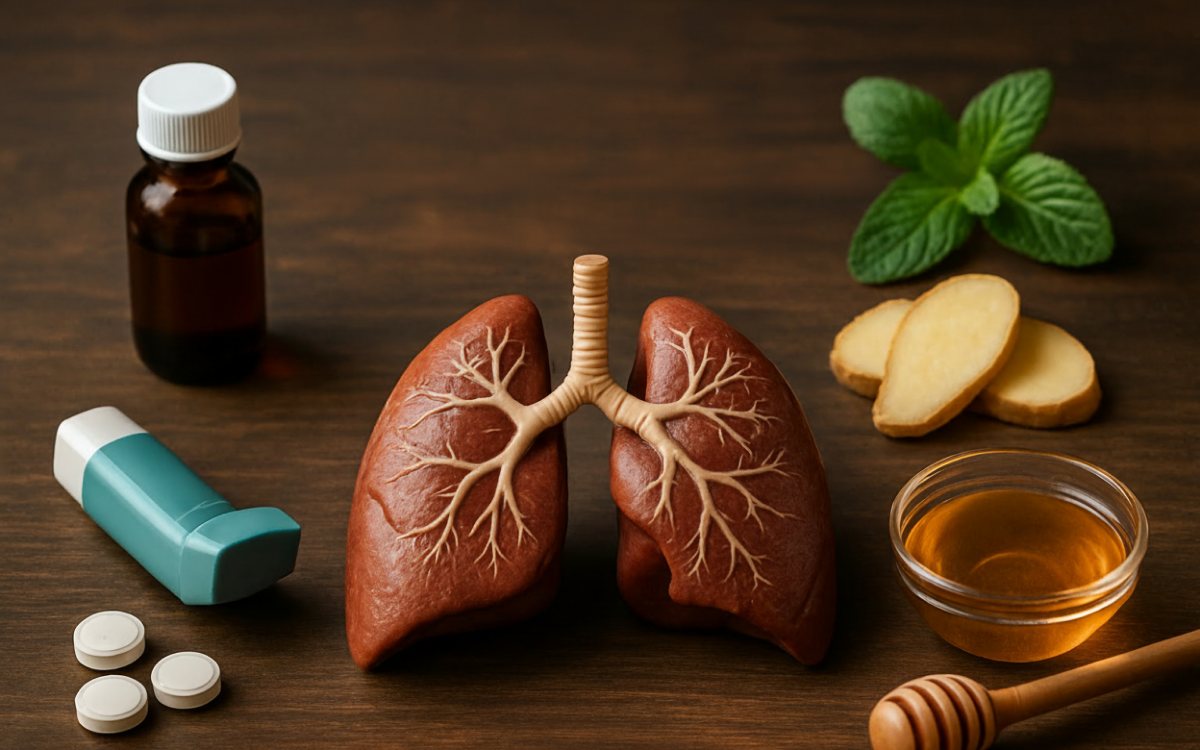
The aroma of oils from plants like lavender, gardenia, and eucalyptus can reduce airway inflammation. Studies have found that smelling essential oils can be an effective at-home management strategy for individuals with COPD.

It is important to note that these strategies are complementary measures, not a replacement for conventional treatments. Only a healthcare professional can officially diagnose COPD, determine its severity, and suggest management options. So, before opting for any home remedies, consult a licensed physician.

Featured Articles

7 ways to lower cholesterol naturally
Health

7 ways to lower cholesterol naturally

Cholesterol performs many important roles in the body. For instance, it helps cells maintain their structure, aids in producing hormones, balances vitamin D levels, and supports digestion. That said, too much cholesterol can increase the risk of various health conditions, including heart disease. Fortunately, one can lower cholesterol levels naturally to a certain extent by making healthier lifestyle choices, such as eating the right foods and exercising. Eat more plant-based foods Plant-based foods, such as vegetables, fruits, beans, lentils, and whole grains, are packed with nutrients that help lower cholesterol levels naturally. They are also good sources of essential vitamins, minerals, and antioxidants that help reduce inflammation caused by high cholesterol. There are many ways to incorporate plant-based foods into meals. For instance, one can prepare stir-fried vegetables and veggie-packed bowls or simply add beans and lentils to chili, tacos, and soups. Besides helping lower cholesterol, these plant-based foods add a dash of color to the plate, making meals feel more appetizing.  Choose healthy fats over saturated fats Saturated and trans fats increase cholesterol in the body. On the other hand, unsaturated fats support better cholesterol balance. One way to include more unsaturated fats in meals is to cook with olive, avocado, sunflower seed, or canola oil instead of butter or shortening.
Role of hydration, sleep, and movement in immunity regulation
Health

Role of hydration, sleep, and movement in immunity regulation

Three key elements that contribute to immune health are sleep, hydration, and physical activity. Hydration is essential for survival, migration, and responses of immune cells to harmful microbes, while quality sleep supports the creation and regulation of immune cells that fight infection and inflammation. On the other hand, physical activity enhances immune function and reduces the risk of chronic inflammation. Together, these three elements, along with some immunity and wellness basics, can enhance a person’s disease-fighting mechanisms. Role of hydration in strengthening the immune system White blood cells, like other cells in the body, require enough hydration to function normally. A consistent supply of water enables these cells to survive and perform their respective functions. Hydration and the lymphatic system are closely linked. Lymphatic fluid can move only through water, and this fluid actively looks for pathogens and other harmful microbes before eliminating them. Drinking enough water keeps this fluid in motion. Water also helps facilitate the transport of white blood cells to various parts of the body, enabling them to fight against bacteria and viruses. Several studies have shown that even mild dehydration (losing 1-2% of body water) can impair immune response and cognitive function. Additionally, there’s a direct correlation between inadequate water intake and reduced immune cell counts and gut health issues, which are linked to impaired T-cell function in the gut.
Common magnesium-rich foods to improve sleep quality
Health

Common magnesium-rich foods to improve sleep quality

The human body requires certain minerals to support bodily functions. One such mineral is magnesium. It supports sleep by soothing the nervous system, relaxing muscles, and regulating hormones during rest. It also facilitates the release of GABA, a neurotransmitter that promotes calmness and eases tension. However, many people struggle with magnesium deficiency, leading to poor sleep quality and increased stress levels. In such cases, including magnesium-rich foods can enhance sleep quality, lower stress, and improve muscle movement. Pumpkin seeds These seeds, also known as pepitas, are a solid natural source of magnesium. A single cup of dried pumpkin seeds contains as much as 792 mg of magnesium, as per the USDA statistics. Even consuming a quarter cup of these seeds can help in meeting one’s daily magnesium needs. These seeds can be consumed in different ways. One can eat the seeds raw or roast them to enhance flavor. Alternatively, they can be eaten as a standalone snack or used as a garnish on a regular meal to add crunch and flavor. Many people often use these seeds as a topping to add extra flavor, texture, and nutrition to dishes such as yogurt, porridge, and salads. Nuts Nuts and seeds are among the richest sources of naturally occurring magnesium, even when they are consumed in small servings.
7 foods that promote glowing skin
Health

7 foods that promote glowing skin

Multiple factors influence skin health, and no single product or procedure can singlehandedly protect or improve an individual’s skin. It is important to balance these with healthy meals, stress-management techniques, adequate sleep, and good lifestyle habits. A balanced, nutrient-dense meal plan can significantly contribute to glowing skin. There are various foods to consider, but it is important to consult a nutritionist to determine the best option for an individual’s unique situation. 7 foods for glowing skin Avocado Avocados serve as a nutritional powerhouse, providing essential macronutrients that nourish the skin from within, promoting elasticity and a youthful complexion. They are high in Vitamins E and C, two antioxidants that help keep skin radiant. The alligator pear also contains compounds that maintain hydration and reduce inflammation. Individuals can incorporate avocados into their routine through smoothies, salads, or toasts. They can also mash and mix the fruit with honey to create a face mask for glowing skin. Bell pepper Bell peppers are an excellent source of vitamin C. This antioxidant helps fight oxidative stress and damage caused by free radicals. Just half a cup of bell pepper alone can help meet a person’s daily vitamin C requirements. Vitamin C also protects a person’s skin against UV exposure and speeds up wound healing.

Top Articles

5 healthy habits for natural detox
Health

5 healthy habits for natural detox

The body has its own system to carry out natural detoxification. The liver functions as a filter by cleaning the blood and breaking down waste. At the same time, the kidneys flush out excess waste through urine. The lungs expel carbon dioxide, while the skin eliminates toxins through sweat during any physical activity. Additionally, the lymphatic system circulates fluids around the body to remove debris and waste. By adopting healthy habits such as drinking water, eating wholesome foods, and staying active, one can support these vital systems in natural detox. Maintain a healthy meal routine Many vegetables contain antioxidants and sulfur that support the liver’s function in processing nutrients and waste. Broccoli is one of them. It contains sulforaphane, which activates detox enzymes in the body. Another nutritious vegetable, asparagus, has glutathione that helps in managing free radicals. Beetroots, on the other hand, contain betalains that protect liver cells, and leafy greens like kale, collard greens, and spinach contain chlorophyll that binds heavy elements and expels them from the body. Additionally, artichokes are a source of cynarin that boosts bile production for the digestion of fats.  Along with these veggies, certain fruits also have detoxifying functions. Grapefruit, loaded with naringenin, helps improve enzyme activity.
5 ways to manage type 2 diabetes
Health

5 ways to manage type 2 diabetes

Type 2 diabetes develops when the body becomes resistant to insulin, the hormone that regulates blood glucose levels. If it remains unchecked, this condition can affect the eyes, kidneys, and heart. Therefore, timely management becomes important. While healthcare plans may still be necessary, combining them with the right lifestyle changes can have a significant impact. Incorporating consistent daily habits, even small, mindful adjustments, can gradually improve the body’s response to insulin and prevent blood sugar from rising. Exercise regularly The benefits of regular exercise are no secret, and one of the most important for affected individuals is its ability to regulate blood sugar levels. Physical activity helps the body use glucose for energy, which naturally lowers the sugar levels. Additionally, regular exercise improves the body’s response to insulin, which further helps in keeping blood sugar under control. This is why maintaining an active lifestyle is an important part of lifestyle management for those with type 2 diabetes. Exercising does not necessarily mean engaging in weight training and intense workouts. Even simple activities such as brisk walking, jogging, or cycling can make a noticeable difference. The key here is to ensure that these activities are performed regularly. Even 30 minutes of physical activity a day, for at least five days a week, can help.
Common effects of stress on the body
Health

Common effects of stress on the body

Stress is a silent, often hidden force that quietly wears the body down. While many people focus on healthy eating and daily exercise, managing stress is often ignored. Stress affects various aspects of the body, such as sleep, immune function, focus, mood, and digestion. Fortunately, it can be managed by incorporating certain practices in daily life. Knowing about the stress-related problems and addressing them can make it easier to manage their effects. Headache Some research studies have found that stress-induced headaches can result from muscle contractions. Muscle tightening can cause throbbing pain in the temples and other areas of the head. Moreover, vascular changes to the brain can lead to splitting headaches in individuals living with a high degree of stress. In many instances, stress is also known to cause migraines. And those prone to migraine episodes experience the condition’s worst symptoms when their stress levels increase. To manage stress and keep it within specific levels to avoid headaches, one can practise relaxation techniques such as meditation, rhythmic breathing, calming techniques, and deep breathing. Also, regular exercise helps produce stress-relieving hormones in the body. Stomach ache Stress can disrupt the digestive system, too. When one is under tension, the body responds in certain ways that can often affect the digestion process and the vital organs involved in metabolism.
Menopause – Symptoms, stages, and natural remedies
Health

Menopause – Symptoms, stages, and natural remedies

Menopause marks the end of menstruation. It’s a point at which the ovaries stop making enough reproductive hormones, such as estrogen and progesterone, and run out of eggs. Menopause is ideally defined as a year without a menstrual period. On average, it’s experienced by age 52. However, that’s not always the case; it’s possible to reach this phase earlier or later. Knowing about menopause and its management can help one navigate this stage of their life peacefully. Menopause signs and symptoms Irregular periods Menopause often leads to fluctuations in hormone levels. This fluctuation causes menstrual cycles to become shorter, longer, heavier, or lighter. Many times, one also experiences skipped cycles. All of these are signs that the ovaries are slowly losing function. Hot flashes When fluctuating estrogen levels affect the hypothalamus, i.e., the brain’s thermostat, it leads to hot flashes. These are nothing but a sudden feeling of warmth throughout the body. Hot flashes can also cause sweating, flushing, and chills. Night sweats Hormone fluctuations are more extreme when sleeping. They increase the frequency of hot flashes, causing sudden warmth, flushing, and drenching sweats in the middle of the night. That’s why soaked bedsheets and clothes are common sights if one is on the cusp of menopause.
7 foods to improve joint strength in seniors
Health

7 foods to improve joint strength in seniors

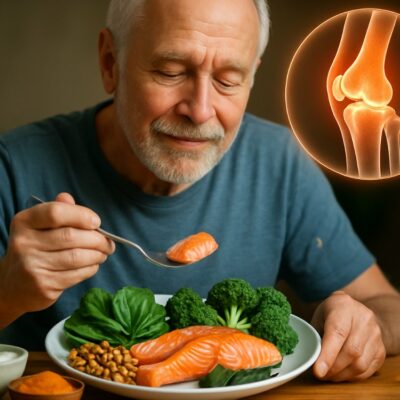
The joints weaken with age because of wear and tear of the cartilage and loss of muscle mass. That’s why seniors are often advised to exercise their joints regularly. Doing that strengthens the joints and the ligaments surrounding them, helping relieve pain and improving flexibility. However, exercise alone is not sufficient for joint strength and health. Seniors must also make a few nutritional changes, such as eating foods with joint-supportive nutrients. Sweet peppers Whether red, yellow, green, or orange, all sweet peppers are loaded with vitamin C. This vitamin boosts collagen production, which is necessary for strong, healthy bones. Collagen helps rebuild cartilage, increase bone density, and reduce stiffness. Besides supplying vitamin C, sweet peppers are known to balance gut microbiomes, thus reducing inflammation markers. This helps seniors who have rheumatoid arthritis, a common condition that causes joint inflammation. There are many ways to enjoy sweet peppers. One option is to make a mixture of beans, brown rice, vegetables, and seasoning, then stuff this mixture into sweet peppers and bake them. If this seems too complicated, seniors can simply roast or sauté the peppers with garlic and enjoy them. Broccoli Cruciferous vegetables, such as broccoli, are excellent foods for supporting joint health in seniors.
5 simple lifestyle habits for better health
Health

5 simple lifestyle habits for better health

Individuals who want to improve their health do not need to follow complex or costly routines. Simple habits, such as eating nutritious foods, drinking enough water, exercising, and sleeping well, are enough to achieve this goal. These small lifestyle changes can lead to better health in the long run without requiring a big investment of time and money. That said, individuals must be consistent to see lasting results. Starting the day with water The body is slightly dehydrated after going all night without fluid intake. That’s why starting the day with a glass of water is a good habit. Rehydrating first thing in the morning boosts metabolism, helps the body regulate temperature, and gets basic functions “switched on” for the day. However, just drinking a glass of water in the morning is not enough. Individuals should carry a bottle of water with them wherever they go to stay hydrated throughout the day. Doing so can help prevent dehydration symptoms, such as headaches, fatigue, and mental fog. Stretching after waking up Stretching is another sustainable, healthy habit to start the day with. Morning stretches ease stiffness, increase range of motion, and help drive away sleepiness. Instead of complex stretches, individuals can perform simple ones that clear the mind and prepare the body for the day ahead.