5 common fishing mistakes to avoid
Everything Else

5 common fishing mistakes to avoid

Fishing has been a prominent activity for centuries—for some as a sport and others as a livelihood. As fish is packed with protein, omega-3 fatty acids, and other nutrients, it is a popular meal of choice. Besides, fishing is an enjoyable recreational activity that can help people bond. Regardless of why one chooses the activity, securing a good catch involves using the right tactics and being patient. So, here are common fishing mistakes to avoid: 1. Ignoring weather conditions Fishing can become risky if the region’s weather conditions and predictions are not considered. So, before setting out to fish, it is important to check the current weather conditions along with the forecast to ensure one does not venture around or into a water body amid stormy weather. 2. Not looking up the fishing spot beforehand When it comes to fishing, determining the right place or water body is as essential as timing the catch. So, it is important to do a little research to find out key details regarding the place beforehand. This can involve learning about aspects like the depth of the water, whether it is a fresh-water or salt-water body, its popularity as a fishing destination, and the breeds of fish that may be found in the water body.

6 risky spots to hide jewelry at home
Everything Else

6 risky spots to hide jewelry at home

According to experts, approximately $100 million worth of jewelry is stolen every year in the country. It emphasizes the constant threat to these valuables and the need for extra care while safeguarding them. Technological advancements in security systems aim to detect and prevent jewelry theft; however, homeowners must be careful while choosing storage locations for their valuables. Continue reading to find out the most unsafe places to store jewelry at home. Freezer Estimates suggest that over one in four individuals in the country hide their jewelry in the freezer. However, burglars understand this tactic only too well, making freezers a likely target when they break into homes. Further, extremely cold temperatures can damage jewelry.  Today, premium jewelry brands like Kay Jewelers offer a wide range of options, from lab-created diamond studs and hoop earrings to sapphire and diamond necklaces. Such pieces typically become treasured heirlooms to be passed down from one generation to another. So, it is crucial to store such jewelry pieces in dry places and avoid risky spots like the freezer. Toilet tank Although once considered an ideal spot for hiding jewelry and other valuables, the toilet tank has become a widely known storage location, thanks to movies and TV shows that popularized this concept.
4 signs one’s partner may be cheating
Everything Else

4 signs one’s partner may be cheating

Trust is the foundation of any relationship, and suspicions about a partner’s commitment may lead to disputes, especially when there is a lack of communication. That said, each individual must recognize that the lack of trust is just as detrimental to a relationship as having an affair. Therefore, experts indicate that addressing relationship issues could help resolve various elements of the partnership. Below are four indicators suggesting a partner may be in an affair. Hiding phones If a partner suddenly becomes overprotective of their phone and carries it everywhere, it could be a sign they are not being honest. They may also keep the phone face down in a room. Sometimes, they could simply be planning a surprise for their partner. So, one should consider all odds before conversing with them to resolve the issue. Constantly speaking about another person Partners may start bringing up a coworker, friend, or gym buddy all the time. And this might compel one to doubt the relationship. While the partner might develop feelings for the other individual, one should also note they may genuinely like the other person’s company and enjoy discussing them with their better half. Being emotionally disconnected Relationships require conversation and emotional honesty to thrive.
6 most returned Christmas gifts
Everything Else

6 most returned Christmas gifts

Exchanging gifts is a common tradition that reflects the spirit of generosity and goodwill. However, not all gifts are well-received, often resulting in the return of Christmas presents. To minimize the likelihood of returns, it is essential to consider the recipient’s preferences, needs, and lifestyle when selecting a gift. Including gift receipts, opting for versatile choices, or giving gift cards can transform the exchange process into a seamless and joyful experience for both givers and receivers. Apparel and accessories Among the most commonly returned Christmas gifts are clothing items and accessories. The challenge lies in selecting the right size, style, or color, often resulting in recipients opting for returns or exchanges. Givers may navigate this common pitfall by including gift receipts, giving gift cards, or choosing items with adjustable features. Home decor Home decor items, from art pieces to decorative furnishings, are subjective choices that hinge on personal taste. What one person finds charming, another may not resonate with, leading to an influx of returned decor gifts. Givers can tread carefully in this realm by opting for versatile, neutral pieces or considering the recipient’s existing decor. Kitchen appliances Christmas gifts often include kitchen gadgets and appliances. However, the functionality and suitability of such items largely depend on personal preference.
4 common pitfalls to avoid when supporting charities
Everything Else

4 common pitfalls to avoid when supporting charities

Making charitable donations is an excellent way to contribute to various causes like environmental preservation, animal welfare, and healthcare research. Donating to such causes facilitates a sense of social responsibility and promotes collective efforts for a brighter future. Furthermore, charities also aim to promote sustainable solutions that positively impact communities worldwide. However, to ensure the optimum utilization of one’s contribution, it is important to avoid certain mistakes while making a donation. Making random donations When donating to charities, one must support one or two charities of one’s choice rather than randomly donating to various charities at a time. Focusing on one or two charities and making sizable donations to them can be more impactful than making small donations to many different charities. Not doing the required research Before one proceeds to donate to a charity, one must conduct thorough research about the charity. It ensures that the organization is reputable and that the individual won’t fall prey to scams. To determine if the charity is reputable and genuine, one can visit its website and check the organization’s accreditations and legal status. One can also volunteer for the organization to learn its functioning and legitimacy. Giving in to representatives’ pitches A crucial mistake to avoid when making donations is falling for the emotional pitches made by certain representatives of a charitable organization, as they may not always have genuine intentions.
6 handy tips for using food vacuum sealers
Everything Else

6 handy tips for using food vacuum sealers

In residential and commercial kitchens, vacuum sealers take on the task of keeping food fresh. These devices remove air from specially designed bags, creating a sealed environment that prevents spoilage. Their role goes beyond just extending the shelf life of food; the sealers preserve the natural flavor, texture, and nutrient content of the food. Further, they can minimize food waste and simplify freezer organization. Here is how to make the most of food vacuum sealers: 1. Remove excess moisture The first rule of vacuum sealing is to start with ingredients that are as fresh and dry as possible. Moisture can cause sealing issues and compromise the quality of the food. Patting down excess moisture on meats, vegetables, and fruits with a paper towel can help prevent food degradation. 2. Prevent freezer burns Here, proper food packaging can keep freezer burns at bay. When sealing foods that are to be placed in the freezer, one should opt for double-sealing and specialized freezer bags. This prevents air from reaching the food and damaging it in the freezer. 3. Pre-portion food Portioning the food before vacuum sealing it can help one grab individual bags as and when required. One should also aim for uniform portion sizes and corresponding bags, whether they are storing individual or family-size servings.
3 key aspects of burial insurance
Everything Else

3 key aspects of burial insurance

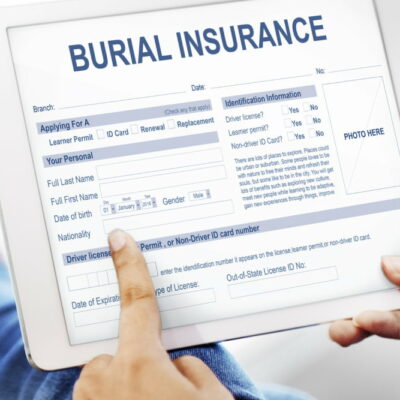
While deaths and funerals are a sensitive and challenging topic, it is essential for one to be aware of burial insurance. As the name suggests, this insurance policy is designed to cover the expenses of an individual’s burial (or cremation), thereby reducing some financial burden on the person’s family and loved ones. Before proceeding to purchase a burial insurance policy, there are certain aspects that one must know about, such as the points given below. The types of policies There are three popular insurance plans that offer coverage for the costs of burials, cremations, and funeral services. These are: Simplified issue life insurance To secure this policy, one need not undergo a medical exam; however, they would need to answer certain questions about their health. If the individual has any pre-existing conditions or participates in life-endangering activities, they may not get approval for the policy. Guaranteed issue life insurance Securing this policy does not require any screening examinations or answering questions. If the applicant’s age falls into the specified age limit, which is usually between 50 to 85 years, they will get approved for the policy. However, this policy comes with higher expenses. Pre-need insurance Funeral homes usually sell a pre-need insurance policy, so the sum from it can be directed to cover the funeral service costs of the individual right away.
6 key things to know about final expense insurance
Everything Else

6 key things to know about final expense insurance

A final expense insurance, also known as a funeral or burial insurance, is an overarching or whole life insurance policy to help cover one’s final expenses, such as burial and funeral costs. In this insurance plan, one’s premiums do not increase, and death benefits never diminish. Final expense insurance eases seniors’ worries about their funeral costs in the event of their death. Here are some things one should know about this type of insurance: There is only one difference between final expense and life insurance The only difference between life insurance and final expense insurance is that the latter is made more affordable by insurance companies. Moreover, since premiums do not increase at any point, it is a stable insurance plan even if one’s income sources reduce after retirement. One does not have to undergo a health examination Policyholders are not required to undergo a health examination before they get coverage under a final expense insurance policy. The policy is unlikely to terminate regardless of the policyholder’s health condition. One may pick funeral service providers Most final expense insurance policies are flexible, meaning they financially compensate individuals regardless of the funeral service provider one picks. In other words, the policy is not weighed down by factors like geographical location, providers, and plans.
3 common banking scams and how to avoid them
Everything Else

3 common banking scams and how to avoid them

According to data by the Federal Trade Commission, banking scams have increased by 70% between 2020 and 2021. Although bank security and technology have been rapidly evolving to keep accounts safe, this unprecedented rise in crimes is a matter of concern. Staying aware of some frequently reported frauds can help one steer clear of them and keep their money safe. Here are three of the most common banking scams and how to avoid them. Phishing scams Unfortunately, with the boom in online banking, there has also been a rise in online phishing scams. Here, the scammer sends a message or an email that looks like it is from the bank. These messages ask for immediate action and dangle the threat of account closure. They may also include a link to a website designed to look like the bank’s official website, but it is actually a front for gaining access to one’s account information. With access to this information, scammers and fraudsters can withdraw funds from any account. To avoid these scams, individuals must exercise extreme caution when opening messages received from unknown sources. If in doubt, double-check with the bank before clicking on any links. Automatic debit scams When scammers gain access to one’s banking information (including the account and routing number), they can set up routine, automatic payments to themselves in the same way that payments for subscription services are debited.
3 mistakes to avoid when choosing buy now pay later
Everything Else

3 mistakes to avoid when choosing buy now pay later

Buy now pay later, also called BNPL, is a convenient way for individuals to purchase items at the moment and pay for them gradually. This method of paying has become quite popular, especially for expensive electronics, as it allows one to get their dream device without feeling overburdened with its cost. It is paramount to be cautious when dealing with credit. Therefore, when opting for BNPL, it is necessary to avoid certain errors, such as: Ignoring the terms and conditions Many people find reading terms and conditions to be a tedious task. However, when it comes to money, ignoring them can be a costly mistake. This is especially true for Buy Now Pay Later (BNPL) purchases. It is essential to carefully review all the plan details before agreeing. For example, if buying a phone, one should read the plan and understand what will be required to pay, how many installments to make, and what happens upon missing a payment. One should know several other important details before signing up for a BNPL plan. Missing payments One does not necessarily miss payment deadlines on purpose. It could happen due to several reasons, like busy schedules. However, if one forgets to pay or misses a deadline, the receiving company may charge late payment fees.

Top Articles

Symptoms, causes, and risks of peptic ulcer
health

Symptoms, causes, and risks of peptic ulcer

Peptic ulcer affects about 4.6 million Americans every year. Peptic ulcer results in open sores forming on the upper portion of the small intestine and the inside lining of the stomach. The first one is known as the duodenal ulcer, and the second type is known as a gastric ulcer. Read on to know more about its symptoms, causes, and risks associated with this condition. Symptoms of peptic ulcer If you feel a burning pain in the stomach, then it can be a sign of peptic ulcers, as it is the most common symptom of the disease. The pain can get worse at night or between meals. The acid in your stomach makes it worse. Other than the pain, some other common symptoms of peptic ulcers include feeling bloated or full, intolerance to fatty food, nausea, and heartburn. Apart from these, the other signs may include: Vomiting with the presence of blood Presence of dark blood in the stool Trouble in breathing Feeling faint Nausea Sudden weight loss Change in appetite Taking acid blockers can relieve the pain temporarily. If it keeps coming back, you need to contact your doctor. Causes of peptic ulcer Stomach conditions may have a variety of causes, which is true for peptic ulcers too.
Heart disease – Symptoms, causes, and risk factors
health

Heart disease – Symptoms, causes, and risk factors

Several diseases are included under the umbrella term of heart diseases and are also called cardiovascular diseases. They lead to the blood vessels becoming narrow or getting blocked, which, in turn, can result in a heart attack or stroke or cause pain in the chest. Other heart conditions affect the heart’s muscle, rhythm, or valve. Symptoms The symptoms vary according to the condition diagnosed. The symptoms of common cardiovascular diseases are discussed below. Symptoms of atherosclerotic disease Pain in the chest or feeling a sense of tightness or discomfort in the area Shortness of breath Limbs feeling numb or severely cold if the blood vessels have narrowed in the area, as it affects blood circulation Pain in the jaw, back, upper abdomen, or neck Symptoms of abnormality in the heartbeat or arrhythmia Fluttering sensation in the chest Racing or slow heartbeat Discomfort or pain in the chest Feeling dizzy or fainting Light-headedness Symptoms of heart defects or related conditions Skin color turning blue or pale gray Abdominal swelling or swelling in the area surrounding the eyes Shortness of breath while feedings in case of an infant Symptoms of dilated cardiomyopathy Breathlessness Swelling in the legs, feet, and ankles Feeling a sense of fatigue and dizziness Irregular heartbeat Symptoms related to heart infections Fever Shortness of breath Feeling weak Change in the heart rhythm Persistent cough Skin rashes Causes The causes vary depending on the type of heart disease one is affected with.
Symptoms, causes, and risk factors of immune system disorder
health

Symptoms, causes, and risk factors of immune system disorder

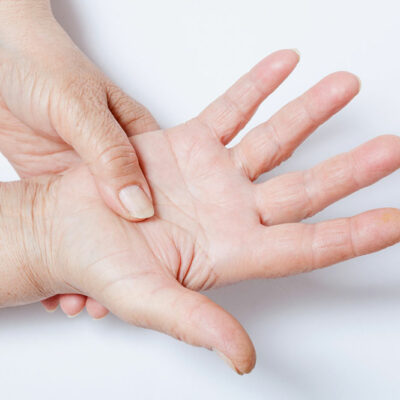
The immune system is referred to as the defense system that protects the body against different kinds of diseases. The stronger the immune system, the higher will be the chances of the body staying away from diseases. Suffering from immunodeficiency or immune system disorder is a cause of concern and must be immediately addressed. Symptoms Cold hands If the blood vessels suffer from inflammation, it gets difficult for the ears, toes, fingers, and nose to stay warm. The affected portion of the skin turns white. Slowly, the color changes into blue when these areas are further exposed to some cold object or atmosphere. When the flow of the blood becomes normal, the skin turns back to red. Medical experts refer to this as the Raynaud’s phenomenon. It is one of the most commonly observed symptoms of immune system disorder. Dry eyes When a person is suffering from an autoimmune disorder, his immune system, instead of protecting his body against diseases, attacks it. Lupus and rheumatoid arthritis are two of the most common examples of this condition. People who suffer from an autoimmune disorder tend to have dry eyes. The person will feel the presence of some grainy object when this happens.
Common joint conditions and their symptoms and risk factors
health

Common joint conditions and their symptoms and risk factors

Joint conditions are commonly associated with increasing age, but they can also be a result of injuries or may develop due to other medical conditions affecting bone and joint health. Arthritis, a commonly diagnosed joint condition, has over 200 types. Depending on the severity of the disease, these conditions can also affect a patient’s quality of life. Read on to know the symptoms, causes, and factors that increase one’s risk of developing joint conditions. Symptoms of joint conditions The following are some of the symptoms that most joint conditions are accompanied by: Joint stiffness Weakness in the joints Inflammation, swelling, and redness of the affected joint Limping due to pain and stiffness Joint getting locked Tearing of the cartilage Commonly-diagnosed joint conditions and their causes Osteoarthritis This form of arthritis involves the wear-and-tear of the joint’s cartilage, which means the risk of developing this disease elevates with age. The cartilage plays the role of a cushion between the bones in order to prevent friction that can cause damage. Damaged cartilage due to this condition results in the bones losing their protection and clashing, causing pain and restricting movement and flexibility. This usually occurs gradually, but it can also develop suddenly in the case of an infection or injury.
All you need to know about menopause
health

All you need to know about menopause

Menopause marks the end of a woman’s menstrual cycles. It is typically diagnosed after a year of no menstrual periods, but it begins much before that. Menopause occurs in your forties and even fifties, but the average age when it occurs in the US is 51. While it is a natural and biological process, the physical symptoms and the hot flashes may cause disruptions in your sleep and even affect your emotional health in general. There are plenty of treatments available. But, to get started, you need to know what the condition looks and feels like. Here are the symptoms, causes, and complications related to menopause. Symptoms of menopause In the time leading up to menopause, you may experience some common symptoms such as irregularity in periods, dryness in the vagina, as well as hot flashes. Some people also experience chills, sleep problems, mood swings, and night sweats. Weight gain and slowed metabolism are two other symptoms that commonly occur with menopause. Menopausal women may even experience dry skin and thinning hair on a regular basis. However, this is not to say that all women experience these symptoms. Different women go through different issues. Depending on your health in general, you may experience varying levels of symptoms.
Mental health conditions – What you should know
health

Mental health conditions – What you should know

Millions of people live with different types of mental illnesses and health problems. These include obsessive-compulsive disorder, social anxiety, and personality disorders. All of these come under the umbrella of mental health. In this article, we will cover the symptoms, causes, and risk factors of some common mental health disorders such as obsessive-compulsive disorder (OCD), post-traumatic stress disorder (PTSD), and clinical depression to help you understand them better. Symptoms The common symptoms of mental health disorders include: Obsessive-compulsive disorder People with OCD may present the following symptoms: Constant fear of contamination and extra emphasis on cleanliness Signs of hoarding and counting belongings continuously Signs of excessive concern toward personal safety Post-traumatic stress disorder Somebody suffering from PTSD may show the following symptoms: Constantly suffering through intrusive memories Negative patterns in mood and mindset Trying to avoid thinking of the traumatic event Feeling changes in emotional and physical reactions Clinical depression The symptoms of clinical depression include: Being moody and experiencing different emotions, such as aggressiveness, anxiousness, and restlessness Adverse effect on sexual life A decline of cognitive abilities Poor sleep patterns If you notice any of these symptoms, we recommend consulting with a mental health doctor immediately. Causes The common causes of any mental health disorder include the following: