Macular degeneration – Causes, symptoms, and treatments
Macular degeneration – Causes, symptoms, and treatments

Macular degeneration causes a loss of central vision in both eyes. It is a painless condition that normally affects people who are older than 50 years.

It is commonly known as Age-related Macular Degeneration (AMD). There are also rare cases of Juvenile Macular Degeneration, which affects young people. Certain genetic disorders are the cause of the development of juvenile macular degeneration.

When a person suffers from Macular Degeneration, the central vision is affected. So, there is difficulty in focusing on objects that lie straight ahead. The result is that everything appears blurred, it becomes difficult to read, the faces of people appear blurred and colors of objects around you look pale and dull.

Causes
The exact cause for macular degeneration isn’t known yet. Aging can cause a person to develop this condition. In older people, the macula, which is a central spot in the retina, develops a problem and causes age-related macular degeneration.

AMD can develop as wet AMD or dry AMD.

Dry AMD
The macula has light-sensitive cells that gradually break down as you age. As the light-sensitive cells reduce in number, the central vision deteriorates. Waste products start to accumulate in the retina and cause small deposits called drusen. As the drusen increases in size, vision problems arise. Drusen is a characteristic feature of dry AMD.

Wet AMD
Tiny blood vessels form underneath the macula attempt to clear the drusen from the retina. These blood vessels cause fluid and blood to leak into the macula, leading to scarring and macular damage. This can lead to serious symptoms like blind spots and distorted vision.

Symptoms

  • Macular degeneration escapes attention, till you experience diminished vision. The primary symptom is blurred central vision.
  • Faces, writing, and images get distorted in the central view.
  • You lose visual acuity. You cannot see the fine details, and it becomes difficult for you to read and drive.
  • Contrast sensitivity is lost. It gets tough to distinguish objects against a background
  • Those suffering from dry age-related macular degeneration, experience symptoms like—hazy vision, blurred text, dull colors, difficulty in identifying faces and the need for more light while reading.
  • For those with wet AMD, the deterioration in central vision worsens. Other symptoms like blind spots, visual distortions and hallucinations also manifest.

Once the symptoms manifest, it’s time to make an appointment with an ophthalmologist.

Risk Factors
While the triggering cause for AMD is unknown, there are some factors that increase the risk of developing AMD. The family history of AMD and advancing age are the major factors that can increase the risk of suffering from macular degeneration. Other risk factors include—alcohol consumption, smoking, excessive exposure to sunlight, ethnicity, obesity, high blood pressure and heart disease.

New Treatment for Macular Degeneration
Age-related macular degeneration has no cure. The progress of vision deterioration is slow in dry AMD. You can get help in the form of large print books, more lighting and by the use of a magnifying lens. Additionally, a diet rich in Vitamins A, C, and E improves eye health and slows down the rate of progress of dry AMD.

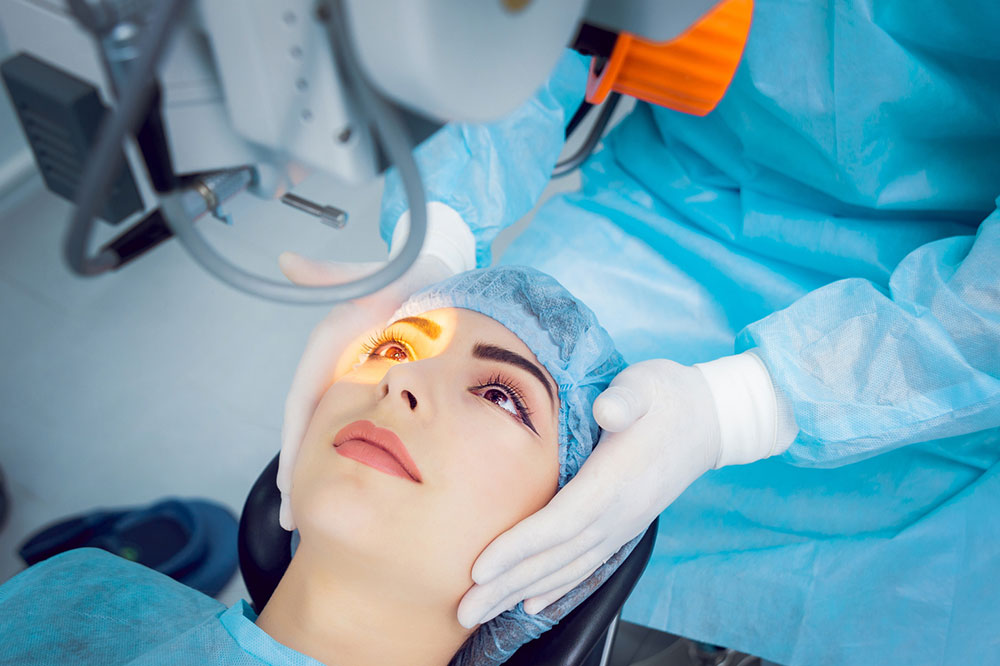
Wet AMD has two treatment options—anti-VEGF medication and laser surgery. Laser surgery destroys the abnormal blood cells, and anti-VEGF medication prevents the new blood vessel growth.

Improved medical research has led to the development of two new surgical techniques to treat wet AMD. These new treatment for Macular Degeneration are better than laser surgery. These are macular translocation and lens implantation. In macular translocation, the macula is repositioned on the eyeball which is free from the abnormal blood vessels.

During lens implantation, the natural lens is removed and replaced by an artificial lens which offers a better central vision.

Another promising therapy that is doing rounds and under clinical trials is—stem cell therapy. Stem cells have the capability to transform into any type of organ cells. These stem cells can be used to create retinal cells and can be transplanted in the eye.

Prevention
While macular degeneration often is caused due to the natural aging process, some preventive measures can help to delay the onset. In case, you find any symptoms of AMD; it’s best to schedule an eye examination.

Quit smoking. Eat a balanced diet that has a lot of leafy greens. Protect your eyes from harmful UV rays. Look at the Amsler’s grid and check your vision every day. The Amsler’s grid is a pattern of straight lines, like in a checkerboard. Gazing at it can help you spot any changes in your vision.

Include supplements that contain zinc and antioxidants. Such supplements are proved to lower the risk of AMD. If you’re 65 years and older, check for AMD, when you visit your eye doctor for a routine eye examination.

An early identification of the symptoms can initiate timely treatment, and help to prevent deterioration in your vision.

Regular eye check-ups are a good way to diagnose any problems concerning the vision.

Featured Articles

Things you should know about multiple sclerosis
health

Things you should know about multiple sclerosis

Multiple sclerosis (MS) is a neurological disorder that affects the central nervous system (CNS). Due to this disorder, your immune system attacks myelin, which is the protective sheath covering the nerve fibers. As a result, communication between your brain and body is hampered. Causes of multiple sclerosis The exact cause of multiple sclerosis is still uncertain. However, some factors that cause this disorder are as follows: Immune system If the immune system is compromised, it may attack the CNS. The myelin protective sheath is affected, thereby disrupting the functioning of your brain, resulting in multiple sclerosis. Infection Certain viruses and bacteria can cause multiple sclerosis. Some viruses cause inflammation that breaks down the myelin, triggering multiple sclerosis. It is possible that brain-cell-like bacteria and viruses can cause the immune system to erroneously identify normal cells as foreign cells, thereby destroying them. Some of the viruses and bacteria that can cause multiple sclerosis include Epstein-Barr virus, measles viruses, and human herpesvirus-6 causing disorders like roseola. Genetics One can be highly susceptible to multiple sclerosis if one has a family history of this disorder. The possibility of one developing this disorder in such instances increases by 2.5% to 5% in the country.
10 symptoms that indicate pregnancy
health

10 symptoms that indicate pregnancy

For women trying to conceive or wondering if they may be pregnant, one of the first signs to watch out for is a missed menstrual cycle. Although several other symptoms can point to the possibility of a pregnancy, it’s always best to visit a doctor for confirmation. Read on to know the common symptoms of pregnancy: Missed period If a woman in childbearing years experiences a delay of over a week in her menstrual cycles, it may indicate pregnancy. That being said, missed or irregular cycles could also be a result of health issues like thyroid problems. So, women should also keep an eye out for the other symptoms mentioned here. Fatigue Being more tired than usual could be an early symptom of pregnancy. When a woman is pregnant, the progesterone levels in her body rise, which causes her to feel sleepy and tired. Frequent urination During pregnancy, the quantity of blood flowing in a woman’s body increases, causing the kidney to work overtime. This places extra pressure on the bladder and leads to more frequent urges to urinate. Nausea or morning sickness This may be accompanied with or without vomiting, and this pregnancy symptom is also known as morning sickness.
4 common sexual conditions and their symptoms
health

4 common sexual conditions and their symptoms

Sexual conditions or sexually transmitted diseases (STDs) generally affect a person through sexual contact. STDs are caused by bacteria, parasites, or viruses, which mainly enter the body through semen, blood, or other bodily fluids. They can enter the body non-sexually too; for instance, an affected person’s blood is used during a transfusion or if they share a needle with a person who has any form of STD. Herein, we discuss the various symptoms of a few sexual conditions. Symptoms STDs may have a range of symptoms or no signs at all. It mainly depends on the type of STD one may have. Here is a list of some common forms of sexual conditions and their symptoms. Chlamydia It is a bacterial infection that affects the genital tract. The symptoms may start to show a few weeks after the exposure. The most common symptoms include painful urination, abdominal pain, discharge from the penis, pain during intercourse for women, and testicular pain. Gonorrhea This is another bacterial infection that affects the genital tract, mouth, eyes, throat, and anus. Sometimes, the symptoms may take 10 days to show, or even months. The common symptoms of gonorrhea are thick or bloody discharge from the vagina or penis, burning sensation or pain during urination, heavy menstrual bleeding, swollen testicles that pains, painful bowel movements, and anal itching.
Understanding skin problems and some diseases that cause them
health

Understanding skin problems and some diseases that cause them

Skin problems are of several types, with varying symptoms and triggers. They don’t always last for a long time, and some skin diseases can be almost painless too, albeit mentally and emotionally traumatizing. As they’re so common, there are well-established treatments for almost all skin diseases. However, there is still a lack of proper knowledge about what can trigger them. Read on to understand the skin issues better. Symptoms There are various symptoms of skin conditions, depending on the type of issue you have. However, you must keep in mind that skin roughness or blisters may not be caused by skin-related issues at all. These can be caused by wearing a new shoe or a rough fabric. Some of the symptoms that are actually caused by skin problems include white or red raised bumps, an itchy or painful rash, rough skin, ulcers, peeling skin, open lesions, cracked and dry skin, fleshy bumps, discolored patches, changes to the mole size or color, warts, excessive flushing, and loss of the skin pigment. Causes The skin problems can be caused by a variety of reasons. The most common ones include bacteria that are trapped in hair follicles or skin pores, microorganisms that are living on your skin, different viruses, weak immunity, coming in contact with irritants or allergens, genetic factors, a variety of illnesses, and certain lifestyle-related factors.

Top Articles

Symptoms, causes, and risks of peptic ulcer
health

Symptoms, causes, and risks of peptic ulcer

Peptic ulcer affects about 4.6 million Americans every year. Peptic ulcer results in open sores forming on the upper portion of the small intestine and the inside lining of the stomach. The first one is known as the duodenal ulcer, and the second type is known as a gastric ulcer. Read on to know more about its symptoms, causes, and risks associated with this condition. Symptoms of peptic ulcer If you feel a burning pain in the stomach, then it can be a sign of peptic ulcers, as it is the most common symptom of the disease. The pain can get worse at night or between meals. The acid in your stomach makes it worse. Other than the pain, some other common symptoms of peptic ulcers include feeling bloated or full, intolerance to fatty food, nausea, and heartburn. Apart from these, the other signs may include: Vomiting with the presence of blood Presence of dark blood in the stool Trouble in breathing Feeling faint Nausea Sudden weight loss Change in appetite Taking acid blockers can relieve the pain temporarily. If it keeps coming back, you need to contact your doctor. Causes of peptic ulcer Stomach conditions may have a variety of causes, which is true for peptic ulcers too.
Heart disease – Symptoms, causes, and risk factors
health

Heart disease – Symptoms, causes, and risk factors

Several diseases are included under the umbrella term of heart diseases and are also called cardiovascular diseases. They lead to the blood vessels becoming narrow or getting blocked, which, in turn, can result in a heart attack or stroke or cause pain in the chest. Other heart conditions affect the heart’s muscle, rhythm, or valve. Symptoms The symptoms vary according to the condition diagnosed. The symptoms of common cardiovascular diseases are discussed below. Symptoms of atherosclerotic disease Pain in the chest or feeling a sense of tightness or discomfort in the area Shortness of breath Limbs feeling numb or severely cold if the blood vessels have narrowed in the area, as it affects blood circulation Pain in the jaw, back, upper abdomen, or neck Symptoms of abnormality in the heartbeat or arrhythmia Fluttering sensation in the chest Racing or slow heartbeat Discomfort or pain in the chest Feeling dizzy or fainting Light-headedness Symptoms of heart defects or related conditions Skin color turning blue or pale gray Abdominal swelling or swelling in the area surrounding the eyes Shortness of breath while feedings in case of an infant Symptoms of dilated cardiomyopathy Breathlessness Swelling in the legs, feet, and ankles Feeling a sense of fatigue and dizziness Irregular heartbeat Symptoms related to heart infections Fever Shortness of breath Feeling weak Change in the heart rhythm Persistent cough Skin rashes Causes The causes vary depending on the type of heart disease one is affected with.
Symptoms, causes, and risk factors of immune system disorder
health

Symptoms, causes, and risk factors of immune system disorder

The immune system is referred to as the defense system that protects the body against different kinds of diseases. The stronger the immune system, the higher will be the chances of the body staying away from diseases. Suffering from immunodeficiency or immune system disorder is a cause of concern and must be immediately addressed. Symptoms Cold hands If the blood vessels suffer from inflammation, it gets difficult for the ears, toes, fingers, and nose to stay warm. The affected portion of the skin turns white. Slowly, the color changes into blue when these areas are further exposed to some cold object or atmosphere. When the flow of the blood becomes normal, the skin turns back to red. Medical experts refer to this as the Raynaud’s phenomenon. It is one of the most commonly observed symptoms of immune system disorder. Dry eyes When a person is suffering from an autoimmune disorder, his immune system, instead of protecting his body against diseases, attacks it. Lupus and rheumatoid arthritis are two of the most common examples of this condition. People who suffer from an autoimmune disorder tend to have dry eyes. The person will feel the presence of some grainy object when this happens.
Common joint conditions and their symptoms and risk factors
health

Common joint conditions and their symptoms and risk factors

Joint conditions are commonly associated with increasing age, but they can also be a result of injuries or may develop due to other medical conditions affecting bone and joint health. Arthritis, a commonly diagnosed joint condition, has over 200 types. Depending on the severity of the disease, these conditions can also affect a patient’s quality of life. Read on to know the symptoms, causes, and factors that increase one’s risk of developing joint conditions. Symptoms of joint conditions The following are some of the symptoms that most joint conditions are accompanied by: Joint stiffness Weakness in the joints Inflammation, swelling, and redness of the affected joint Limping due to pain and stiffness Joint getting locked Tearing of the cartilage Commonly-diagnosed joint conditions and their causes Osteoarthritis This form of arthritis involves the wear-and-tear of the joint’s cartilage, which means the risk of developing this disease elevates with age. The cartilage plays the role of a cushion between the bones in order to prevent friction that can cause damage. Damaged cartilage due to this condition results in the bones losing their protection and clashing, causing pain and restricting movement and flexibility. This usually occurs gradually, but it can also develop suddenly in the case of an infection or injury.
All you need to know about menopause
health

All you need to know about menopause

Menopause marks the end of a woman’s menstrual cycles. It is typically diagnosed after a year of no menstrual periods, but it begins much before that. Menopause occurs in your forties and even fifties, but the average age when it occurs in the US is 51. While it is a natural and biological process, the physical symptoms and the hot flashes may cause disruptions in your sleep and even affect your emotional health in general. There are plenty of treatments available. But, to get started, you need to know what the condition looks and feels like. Here are the symptoms, causes, and complications related to menopause. Symptoms of menopause In the time leading up to menopause, you may experience some common symptoms such as irregularity in periods, dryness in the vagina, as well as hot flashes. Some people also experience chills, sleep problems, mood swings, and night sweats. Weight gain and slowed metabolism are two other symptoms that commonly occur with menopause. Menopausal women may even experience dry skin and thinning hair on a regular basis. However, this is not to say that all women experience these symptoms. Different women go through different issues. Depending on your health in general, you may experience varying levels of symptoms.
Mental health conditions – What you should know
health

Mental health conditions – What you should know

Millions of people live with different types of mental illnesses and health problems. These include obsessive-compulsive disorder, social anxiety, and personality disorders. All of these come under the umbrella of mental health. In this article, we will cover the symptoms, causes, and risk factors of some common mental health disorders such as obsessive-compulsive disorder (OCD), post-traumatic stress disorder (PTSD), and clinical depression to help you understand them better. Symptoms The common symptoms of mental health disorders include: Obsessive-compulsive disorder People with OCD may present the following symptoms: Constant fear of contamination and extra emphasis on cleanliness Signs of hoarding and counting belongings continuously Signs of excessive concern toward personal safety Post-traumatic stress disorder Somebody suffering from PTSD may show the following symptoms: Constantly suffering through intrusive memories Negative patterns in mood and mindset Trying to avoid thinking of the traumatic event Feeling changes in emotional and physical reactions Clinical depression The symptoms of clinical depression include: Being moody and experiencing different emotions, such as aggressiveness, anxiousness, and restlessness Adverse effect on sexual life A decline of cognitive abilities Poor sleep patterns If you notice any of these symptoms, we recommend consulting with a mental health doctor immediately. Causes The common causes of any mental health disorder include the following: