Things you should know about multiple sclerosis
health

Things you should know about multiple sclerosis

Multiple sclerosis (MS) is a neurological disorder that affects the central nervous system (CNS). Due to this disorder, your immune system attacks myelin, which is the protective sheath covering the nerve fibers. As a result, communication between your brain and body is hampered. Causes of multiple sclerosis The exact cause of multiple sclerosis is still uncertain. However, some factors that cause this disorder are as follows: Immune system If the immune system is compromised, it may attack the CNS. The myelin protective sheath is affected, thereby disrupting the functioning of your brain, resulting in multiple sclerosis. Infection Certain viruses and bacteria can cause multiple sclerosis. Some viruses cause inflammation that breaks down the myelin, triggering multiple sclerosis. It is possible that brain-cell-like bacteria and viruses can cause the immune system to erroneously identify normal cells as foreign cells, thereby destroying them. Some of the viruses and bacteria that can cause multiple sclerosis include Epstein-Barr virus, measles viruses, and human herpesvirus-6 causing disorders like roseola. Genetics One can be highly susceptible to multiple sclerosis if one has a family history of this disorder. The possibility of one developing this disorder in such instances increases by 2.5% to 5% in the country.
Read More

10 symptoms that indicate pregnancy
health

10 symptoms that indicate pregnancy

For women trying to conceive or wondering if they may be pregnant, one of the first signs to watch out for is a missed menstrual cycle. Although several other symptoms can point to the possibility of a pregnancy, it’s always best to visit a doctor for confirmation. Read on to know the common symptoms of pregnancy: Missed period If a woman in childbearing years experiences a delay of over a week in her menstrual cycles, it may indicate pregnancy. That being said, missed or irregular cycles could also be a result of health issues like thyroid problems. So, women should also keep an eye out for the other symptoms mentioned here. Fatigue Being more tired than usual could be an early symptom of pregnancy. When a woman is pregnant, the progesterone levels in her body rise, which causes her to feel sleepy and tired. Frequent urination During pregnancy, the quantity of blood flowing in a woman’s body increases, causing the kidney to work overtime. This places extra pressure on the bladder and leads to more frequent urges to urinate. Nausea or morning sickness This may be accompanied with or without vomiting, and this pregnancy symptom is also known as morning sickness.
Read More
4 common sexual conditions and their symptoms
health

4 common sexual conditions and their symptoms

Sexual conditions or sexually transmitted diseases (STDs) generally affect a person through sexual contact. STDs are caused by bacteria, parasites, or viruses, which mainly enter the body through semen, blood, or other bodily fluids. They can enter the body non-sexually too; for instance, an affected person’s blood is used during a transfusion or if they share a needle with a person who has any form of STD. Herein, we discuss the various symptoms of a few sexual conditions. Symptoms STDs may have a range of symptoms or no signs at all. It mainly depends on the type of STD one may have. Here is a list of some common forms of sexual conditions and their symptoms. Chlamydia It is a bacterial infection that affects the genital tract. The symptoms may start to show a few weeks after the exposure. The most common symptoms include painful urination, abdominal pain, discharge from the penis, pain during intercourse for women, and testicular pain. Gonorrhea This is another bacterial infection that affects the genital tract, mouth, eyes, throat, and anus. Sometimes, the symptoms may take 10 days to show, or even months. The common symptoms of gonorrhea are thick or bloody discharge from the vagina or penis, burning sensation or pain during urination, heavy menstrual bleeding, swollen testicles that pains, painful bowel movements, and anal itching.
Read More

Latest Articles

View all
Symptoms, causes, and risk factors of immune system disorder
health

Symptoms, causes, and risk factors of immune system disorder

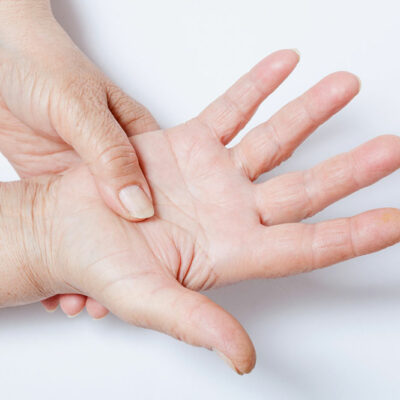
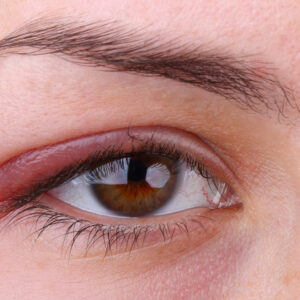
The immune system is referred to as the defense system that protects the body against different kinds of diseases. The stronger the immune system, the higher will be the chances of the body staying away from diseases. Suffering from immunodeficiency or immune system disorder is a cause of concern and must be immediately addressed. Symptoms Cold hands If the blood vessels suffer from inflammation, it gets difficult for the ears, toes, fingers, and nose to stay warm. The affected portion of the skin turns white. Slowly, the color changes into blue when these areas are further exposed to some cold object or atmosphere. When the flow of the blood becomes normal, the skin turns back to red. Medical experts refer to this as the Raynaud’s phenomenon. It is one of the most commonly observed symptoms of immune system disorder. Dry eyes When a person is suffering from an autoimmune disorder, his immune system, instead of protecting his body against diseases, attacks it. Lupus and rheumatoid arthritis are two of the most common examples of this condition. People who suffer from an autoimmune disorder tend to have dry eyes. The person will feel the presence of some grainy object when this happens.
Common joint conditions and their symptoms and risk factors
health

Common joint conditions and their symptoms and risk factors

Joint conditions are commonly associated with increasing age, but they can also be a result of injuries or may develop due to other medical conditions affecting bone and joint health. Arthritis, a commonly diagnosed joint condition, has over 200 types. Depending on the severity of the disease, these conditions can also affect a patient’s quality of life. Read on to know the symptoms, causes, and factors that increase one’s risk of developing joint conditions. Symptoms of joint conditions The following are some of the symptoms that most joint conditions are accompanied by: Joint stiffness Weakness in the joints Inflammation, swelling, and redness of the affected joint Limping due to pain and stiffness Joint getting locked Tearing of the cartilage Commonly-diagnosed joint conditions and their causes Osteoarthritis This form of arthritis involves the wear-and-tear of the joint’s cartilage, which means the risk of developing this disease elevates with age. The cartilage plays the role of a cushion between the bones in order to prevent friction that can cause damage. Damaged cartilage due to this condition results in the bones losing their protection and clashing, causing pain and restricting movement and flexibility. This usually occurs gradually, but it can also develop suddenly in the case of an infection or injury.
All you need to know about menopause
health

All you need to know about menopause

Menopause marks the end of a woman’s menstrual cycles. It is typically diagnosed after a year of no menstrual periods, but it begins much before that. Menopause occurs in your forties and even fifties, but the average age when it occurs in the US is 51. While it is a natural and biological process, the physical symptoms and the hot flashes may cause disruptions in your sleep and even affect your emotional health in general. There are plenty of treatments available. But, to get started, you need to know what the condition looks and feels like. Here are the symptoms, causes, and complications related to menopause. Symptoms of menopause In the time leading up to menopause, you may experience some common symptoms such as irregularity in periods, dryness in the vagina, as well as hot flashes. Some people also experience chills, sleep problems, mood swings, and night sweats. Weight gain and slowed metabolism are two other symptoms that commonly occur with menopause. Menopausal women may even experience dry skin and thinning hair on a regular basis. However, this is not to say that all women experience these symptoms. Different women go through different issues. Depending on your health in general, you may experience varying levels of symptoms.
Mental health conditions – What you should know
health

Mental health conditions – What you should know

Millions of people live with different types of mental illnesses and health problems. These include obsessive-compulsive disorder, social anxiety, and personality disorders. All of these come under the umbrella of mental health. In this article, we will cover the symptoms, causes, and risk factors of some common mental health disorders such as obsessive-compulsive disorder (OCD), post-traumatic stress disorder (PTSD), and clinical depression to help you understand them better. Symptoms The common symptoms of mental health disorders include: Obsessive-compulsive disorder People with OCD may present the following symptoms: Constant fear of contamination and extra emphasis on cleanliness Signs of hoarding and counting belongings continuously Signs of excessive concern toward personal safety Post-traumatic stress disorder Somebody suffering from PTSD may show the following symptoms: Constantly suffering through intrusive memories Negative patterns in mood and mindset Trying to avoid thinking of the traumatic event Feeling changes in emotional and physical reactions Clinical depression The symptoms of clinical depression include: Being moody and experiencing different emotions, such as aggressiveness, anxiousness, and restlessness Adverse effect on sexual life A decline of cognitive abilities Poor sleep patterns If you notice any of these symptoms, we recommend consulting with a mental health doctor immediately. Causes The common causes of any mental health disorder include the following:

Must Read

Types of pain and management techniques
health

Types of pain and management techniques

The technique of pain management depends on the cause of the pain. If the cause is nerve root irritation from a herniated disc, wherein the pain radiates down the length of the leg, it can be treated with an epidural steroid injection. On the other hand, pain can be severe, like due to an inflamed appendix, for which surgery or other invasive measures are required. Let’s look at the various causes of pain and ways to manage it. Main causes of pain The common causes of pain are: Cancer Lateral epicondylitis Plantar fasciitis Piriformis syndrome Torticollis Myofasciitis Post-herpetic neuralgia Compression fractures Coccydynia Peripheral nerve damage Infections, ulcers, or open sores Headaches How is pain management possible? The management and treatment of pain can be undertaken by knowing its history and other details like its duration, intensity, and relieving and aggravating conditions. Only after all this is understood, effective pain management can be undertaken by a medical examiner. So, one should disclose all relevant details to their doctor at the time of consultation. Types of pain The main types of pain are: Nociceptive pain: This is triggered due to tissue injury and can be acute or chronic. It can be somatic or visceral; while the former is limited to the tissues, the latter stems from damage to internal organs.
What you need to know about dehydration
health

What you need to know about dehydration

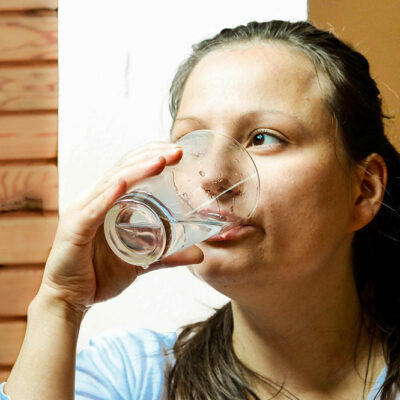
Dehydration is a condition in which the body loses more fluid than it takes in. As a result, the body does not have enough fluids to carry out its regular functioning. If you do not replace these lost fluids, then your body will get dehydrated. Anybody can become dehydrated, and the condition can be quite dangerous for both adults and children. In the following article, we will discuss the different aspects of dehydration, to help you understand it better. Symptoms of dehydration The common symptoms which point to cases of dehydration may differ based on age. In infants or young children, symptoms such as dry mouth or tongue, are the earliest indicators of dehydration. Having no tears while crying is also one of the signs to watch out for. Sunken eyes and cheeks are other indicators of dehydration in infants. In adults, different symptoms may point toward dehydration, including extreme thirst and infrequent urination. Dark-colored urine, fatigue, and dizziness are some of the other symptoms to watch out for. Causes of dehydration In most cases, dehydration can occur for the simplest of reasons. To start with, you may not be drinking enough water because you may be busy or sick.
Chronic fatigue – A brief overview
health

Chronic fatigue – A brief overview

Chronic fatigue is a type of condition in which one experiences extreme fatigue and tiredness. It does not go away with rest and can even be caused due to an underlying condition. Medically, this disorder is also referred to as myalgic encephalomyelitis or systemic exertion intolerance disease. Chronic fatigue symptoms The main symptom of this disorder is a kind of exhaustion, which can result in flu-like symptoms. When one undertakes physical activities, one may not have any energy for other activities. Research indicates that people who have this disorder tend to have a varied physiological response to any kind of physical activity. So, some common symptoms can include the following: Having extreme tiredness Having joint pain or muscle pain Having frequent headaches Feeling dizzy or extremely sick Irregular heartbeats or having a fast heartbeat If someone experiences any of these symptoms, we recommend consulting a medical expert for a proper plan of treatment. When one has the right information, it is easier to understand the reason for constant fatigue. Chronic fatigue causes Chronic fatigue has a lot of different causes. However, experts say that there is no fixed reason. Instead, there are plenty of triggers for it. For instance, certain factors can increase the chances of developing chronic fatigue.
Depression – Symptoms, causes, and risk factors
health

Depression – Symptoms, causes, and risk factors

Depression is a mood disorder that can cause a prolonged feeling of gloominess or sadness, and the most commonly diagnosed type of depression is clinical or major depression. It can directly impact how one feels, behaves, and even thinks about situations and people. Additionally, it can lead to several physical as well as emotional issues. People with depression may find it extremely difficult to go about their daily activities and carry out simple tasks like getting out of bed or brushing their teeth. Depression warrants medical and psychological intervention to fight the symptoms and improve the quality of life for the patient. In this article, we will cover different aspects of this disorder. Symptoms of depression People tend to experience multiple episodes of this disorder. Some of the common symptoms they exhibit during these episodes are constant feelings of tearfulness, emptiness, or sadness. Frequent outbursts of anger and frustration and constant irritability are also common signs of a depressive disorder. Also, one may lose interest in their hobbies or other activities they liked to indulge in earlier, and depression may even manifest in the form of low libido. People with depression may also experience constant tiredness or lack of energy, so the smallest of tasks can take a lot of effort to complete.
Top 3 conditions that affect eye health
health

Top 3 conditions that affect eye health

Many people face eye health issues at some point in their life. While some of these issues are minor and tend to resolve on their own or with basic treatment, others are severe and require a specialist’s care. There are multiple reasons for poor eye health, which might lead to partial or total blindness. In this article, we have listed the three most commonly diagnosed eye conditions, along with their symptoms and risk factors. Glaucoma Glaucoma is the second biggest cause of permanent blindness among people in the country. The aqueous humor is a watery fluid found in the eye’s anterior chamber where the camera, iris, lens, and pupil are located. This fluid is vital to the functioning of the eyes, as it maintains the requisite pressure called the Intraocular Pressure (IOP) and provides nutrients to help maintain the shape of the eye. An increase in this pressure leads to glaucoma. Symptoms In most cases, glaucoma is asymptomatic and progresses gradually, but the symptoms may appear gradually in some cases. Here are the common signs of this eye condition: Nausea Blurry vision Severe eye pain, along with nausea and vomiting Redness of the eye Headache Tenderness in the surrounding area Viewing halos around lights Risk factors Ethnicity African-Americans face a higher risk of this condition that affects eye health.
Relation between family history and pregnancy
health

Relation between family history and pregnancy

The news of a baby arriving brings an enormous amount of happiness in the family. With pregnancy come the various highs and the lows in the health of the expecting mother. It’s important to remember that family history has an important role in what health conditions the baby may inherit and how parents deal with them. It goes without saying that family & pregnancy are very much related to each other. Causes of complications in pregnancy It is advisable to know about the family history of both the parents so that timely action can be taken against issues such as genetic diseases, birth defects, and developmental disabilities. However, before delving into the relationship between family & pregnancy and the associated risk factors, let’s first look at some of the most common causes of complications in pregnancy. There are several causes that can lead to complications in pregnancy. Complications are health problems that involve the mother or baby or both. Some women experience issues during pregnancy, while some experience pre-pregnancy issues. The following causes of complications in pregnancy are quite common: High blood pressure can cause complications in pregnancy as it becomes hard for the blood to reach the placenta. This plays an important role in providing oxygen and nutrients to the fetus.
Understanding what is gout
health

Understanding what is gout

Gout is a type of arthritis that can affect any person. Generally, it affects the big toe’s base joint and may appear as sudden and severe pain, redness and tenderness, and swelling. Symptoms may appear and disappear at the slightest trigger, but luckily, there are several ways to prevent flares and manage the symptoms. Symptoms Generally, the symptoms of this ailment occur in the middle of the night and include the following: Severe joint pain Although gout generally affects the big toe joint, it may affect any other joint too. Some other affected parts may be wrists, ankles, fingers, elbows, and knees. Individuals usually suffer from severe pain between the first four and 12 hours of its onset. Limited motion range As the disorder progresses, you may lose the normal motion in the affected joints. Lingering discomfort Even after the severest pain passes away, you may feel the discomfort for several days or even weeks. Over a period, the attacks may affect more joints and result in increased discomfort. Redness and inflammation The affected joints are often warm, swollen, red, and tender. Causes Initially, gout is the result of excessive uric acid in the blood, known as hyperuricemia. The higher levels result in the accumulation of urate crystals in the affected joints, which cause severe pain and inflammation.
Diabetes – Symptoms, causes, and risk factors
health

Diabetes – Symptoms, causes, and risk factors

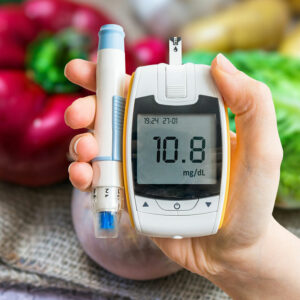
Diabetes is a condition that develops due to high sugar levels in the blood. Insulin, a hormone in the body, helps the sugar in the blood to be transported to different cells of the body. These cells either utilize this sugar for energy or store it for future use. However, in this condition, the body either fails to produce sufficient insulin or is unable to use the insulin that it makes.  Symptoms Some common signs of diabetes (type 1 and type 2) include: Weight loss Blurry vision Fatigue Excessive hunger or thirst Excessive urination Sores, which do not heal easily Men-centric symptoms Erectile dysfunction Low libido Muscle strength reduces Women-centric symptoms Yeast infections Urinary Tract Infection (UTI) Itchy or dry skin Gestational diabetes Usually, a lot of women who suffer from gestational diabetes do not showcase any symptoms. In them, the condition is primarily detected during a routine pregnancy test done between the 24 th and 28 th week. In a few cases, women with gestational diabetes also experience extreme urination or thirst. Causes The cause of diabetes is often dependent upon its type. Type 1 There is no certainty of the exact cause of this form of diabetes. However, what happens is that the immune system tends to attack and further destroy the beta cells, which are responsible for producing insulin in the pancreas.

Featured Articles

GERD and its critical aspects
health

GERD and its critical aspects

GERD stands for gastroesophageal reflux disease and is a condition in which the stomach acid rises back into the food pipe and causes a sense of discomfort. Over time, this continuous backwash impacts the esophagus lining and causes heartburn. A lot of people occasionally experience acid reflux and heartburn, but GERD occurs when this problem becomes a lot more frequent. In this article, we will look at the various aspects that need to be considered when it comes to GERD. Signs of GERD There are plenty of signs and symptoms of GERD, and heartburn is the biggest one. Other major symptoms of GERD include Chest pain Difficulty when it comes to swallowing A continual regurgitation of both food and sour stomach liquids A sensation or a lump inside the throat For people who have night-time acid reflux, the common symptoms include laryngitis, chronic cough, or asthma as time progresses. They may also suffer from disrupted sleep. For such instances of GERD and heartburn, we recommend consulting an expert as soon as these symptoms become frequent. Causes of GERD GERD is the consequence of acid reflux and heartburn occurring frequently in the body. When we swallow our food, the circular band of muscles around the esophagus relaxes to ensure that the entire ingestion process happens smoothly.
Hair loss – Its symptoms and causes
health

Hair loss – Its symptoms and causes

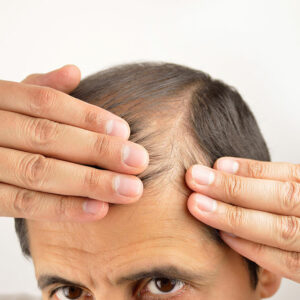
Hair loss is a result of problems related to the scalp. However, sometimes, it could be due to other underlying conditions as well. At times, it is temporary, but, in most cases, it is permanent. It could be a result of normal aging, hormonal changes, family history, or medical conditions. When there is excessive hair loss, it leads to baldness. In general, heredity hair loss is the prime cause of baldness. Symptoms Usually, hair loss can occur in a multitude of forms and would depend on the underlying cause. Moreover, it might either occur gradually or suddenly and can hamper either the scalp or the entire body. Some common signs of this condition include: Patchy or circular bald spots In some people, hair loss occurs as a patchy or a circular bald spot either in the eyebrows, beard, or scalp. It might lead to painful or itchy skin before hair fall actually occurs. Slow thinning on the top of the head This is the most prominent category of hair loss and occurs in people as they get older. It has been seen that there is a receding hairline or a loss of hair in men as they grow older. On the other hand, women tend to have a broadening of the centerline in the hair.
Major causes, symptoms, and risks of hearing loss
health

Major causes, symptoms, and risks of hearing loss

When you age, you can experience hearing loss, and that’s fairly common among people. In our country, approximately one-third of the population between the age group of 65 to 75 years have some or the other form of hearing loss. Moreover, every one in two persons over the age of 75 has this defect. Types of hearing loss One that involves the inner ear – Sensorineural One that involves the middle or outer ear – Conductive Combination of the two – Mixed Usually, hearing loss occurs because of prolonged exposure to loud noises or simply as a result of aging. However, with the excessive accumulation of earwax, your hearing might be temporarily reduced. Though hearing loss cannot be reversed, certain steps can be taken to reduce its impact. Symptoms of hearing loss Inability to comprehend words, especially in a crowded or a noisy place Repeatedly requesting people to speak loudly, clearly, and slowly Trying to withdraw from conversations Muffling of sounds Inability to hear consonants Having to keep the radio or the television sound up Causes Build-up of earwax over time When there’s a gradual build-up of earwax, it tends to obstruct the ear canal. As a result of it, the sound wave conduction gets hampered.
Symptoms, causes, and risks of high cholesterol
health

Symptoms, causes, and risks of high cholesterol

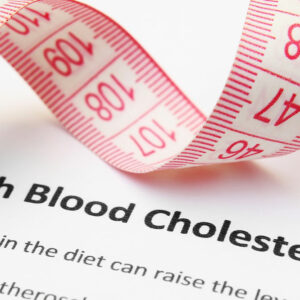
Cholesterol can be understood as some waxy substance in your blood, which is needed by the body to build its healthy cells. However, when the cholesterol increases to an uncontrolled level, it can put you at risk of heart diseases. Furthermore, as a result of high cholesterol, there can be a fatty deposit in your body’s blood vessels. Because of this, it gets hard for the blood to flow through the arteries. What can high cholesterol lead to and how does it develop? At times, the deposits break down and lead to a clot formation, which can either result in a stroke or a heart attack. Though high cholesterol mainly develops as a result of your unhealthy lifestyle choices, it can be inherited too. However, it is both treatable and preventable. With the inclusion of regular exercises, a nutritious diet, and proper medication, you can reduce cholesterol levels. Symptoms As such, there are no definitive symptoms of high cholesterol. The only real way to diagnose it is via a blood test. Causes Cholesterol is attached to proteins and is transported into the body via the blood. This amalgamation of cholesterol and protein is known as a lipoprotein. Depending upon what the lipoprotein carries, there are two different types of cholesterol.

Top Articles

Aging –  Its types, warning signs, symptoms, and risk factors
health

Aging – Its types, warning signs, symptoms, and risk factors

Aging is a natural process. All of us grow older with time, which is why it is crucial to lead a healthy lifestyle. This way, old age does not bring too many problems along. From pain in the joints to suffering from forgetfulness, there are a bunch of things that are associated with aging. Types of aging Cellular aging The aging process of cells is dependent on the frequency with which they replicate. A cell can replicate itself around 50 times, and after that, the genetic material cannot be copied properly. This happens because of shortened telomeres. Hormonal aging Hormones play a huge part in the aging process, more so when a person is in their childhood or adolescence. The levels of hormones keep fluctuating as long as we live. Puberty results in the formation of large pores and acne. As we get older, the change in hormones contributes to the formation of dry skin. Metabolic aging Cells are responsible for transforming food into energy throughout the day. The byproducts produced during this process can be quite harmful. The metabolizing process causes damage to the body. Some are of the opinion that the slow-down of the metabolic process through methods like calorie restriction could result in slowing down the process of aging.
Knowing the symptoms of common allergies and their risk factors
health

Knowing the symptoms of common allergies and their risk factors

An allergy is a hypersensitive reaction of the immune system to a foreign substance. The immune system is responsible for producing substances referred to as antibodies. When an individual suffers from allergies, their immune system generates antibodies that help in identifying the harmful allergens affecting the body. The symptoms of allergies are dependent on the substance one has been affected with. The reactions can be mild, moderate or severe in nature. Hay fever Hay fever, which is also called allergic rhinitis, can result in sneezing, runny nose, itching in the eyes or the nose, and watery or swollen eyes. Food allergy An allergy, which has resulted from consuming a particular food item, can lead to a tingling sensation in the mouth, lips or face swelling up or anaphylaxis, which could pose a threat to one’s life. Insect sting allergy A sting from an insect can cause the affected portion to swell up considerably, cause an itching sensation across the body, and lead to shortness of breath. Medication allergy An allergy, caused by the consumption of some medication, results in an itchy skin, rash, hives, swelling on the face, wheezing, and anaphylaxis. Atopic dermatitis This is a skin condition, which also goes by the name of eczema.
Understanding Alzheimer’s disease
health

Understanding Alzheimer’s disease

Alzheimer’s results in the unfortunate wasting away of brain cells, causing their premature death; it is a progressive ailment. It is the most common kind of dementia, wherein a person’s social skills, behavior, and thinking capabilities decline, disrupting their ability of independent functioning. The earliest signs of this disorder may be forgetfulness with severe memory loss as the disease progresses. Here are the common symptoms of Alzheimer’s disease: Memory loss Repeating questions and statements Difficulty in finding words to identify objects, participate in conversations, or express thoughts Forgetting events, appointments, and conversations Forgetting family members’ names and common objects Getting lost in known places Misplacing things Thinking and reasoning Losing the ability to make reasonable judgments and decisions Making uncharacteristic or poor choices in social gatherings Difficulty in responding to everyday situations Planning and performance Routine activities, such as cooking or planning becomes difficult Advanced stage patients may not be able to perform basic tasks, such as bathing or dressing Personality and behavioral changes Delusions Depression Loss of inhibitions Apathy Wandering Mood swings Modified sleeping habits Social withdrawal Aggression and irritation Distrust in others Why does Alzheimer’s occur? The patient’s brain changes due to Alzheimer’s disease. The brain becomes smaller as the disease progresses with lesser healthy brain cells.
A helpful overview on anemia
health

A helpful overview on anemia

Anemia refers to the medical condition in which the body does not produce enough red blood cells to transfer oxygen to the tissues in the body. When you suffer from anemia, you feel weak and exhausted all the time. This disease can be temporary in nature or have a long-term effect on a person’s health, in which case they will require continual treatment. Causes Inflammation Several kinds of diseases like kidney diseases, cancer, rheumatoid arthritis, Crohn’s disease, and chronic inflammatory diseases obstruct the process of producing red blood cells. Iron deficiency anemia This is the most common kind of anemia. As the name suggests, it is a result of a deficiency of iron in the body. The bone marrow requires iron to produce hemoglobin. When there is a shortage of the nutrient, the body fails to generate a sufficient amount of hemoglobin to produce red blood cells. Vitamin-deficiency anemia Apart from iron, the body requires vitamin B-12 and folate to generate red blood cells. When your diet does not have any of these, there is a sharp drop in the red blood cell count. There are also cases of people who consume vitamin B-12 but not absorbing it properly. That gives rise to vitamin-deficiency anemia.
Arthritis – Types, signs and risk factors
health

Arthritis – Types, signs and risk factors

Arthritis is a medical condition that is marked by inflammation in the joints. It can affect a single joint or several joints in the body. There are different types of arthritis. Each one can be traced to a different cause, with various methods to treat them. Types Primarily, there are two main kinds of arthritis – rheumatoid arthritis and osteoarthritis. These can be broken down into several categories. Osteoarthritis This is the most commonly diagnosed form of arthritis. When a person is suffering from osteoarthritis, the cartilage of the joints gets severely damaged. The cartilage is the tough, coarse protective coating found at the end points where the bones come together to form a joint. Cartilage acts as a cushion to this part of the bones and facilitates the frictionless movement of the joints. When the cartilage gets damaged, the bones grind against each other, causing severe pain and restrictive movements. This damage can take place over a few years or in a short time. Rheumatoid arthritis In this type of arthritis, the immune system adversely affects the outer covering or the lining around the joint capsule. The joint capsule is a hard membrane that surrounds parts of the joints.
Common blood disorders – Symptoms, causes, and risk factors
health

Common blood disorders – Symptoms, causes, and risk factors

Blood disorders can be of various types. The most common ones include anemia, bleeding and clotting disorders like hemophilia, and cancers like lymphoma and leukemia. In this article, let’s look at the symptoms, causes, and risk factors associated with some of the common blood disorders. Read on to know more about three common blood disorders. Leukemia Among the most common symptoms of leukemia are extreme fatigue and feeling ill. Additionally, people with leukemia have a tendency to bleed easily; the urine or stool may be accompanied by blood, or patients might bleed from their nose or gums. One may also experience swollen lymph nodes, weight loss, and a loss of appetite. Causes: Leukemia typically develops when the DNA inside the blood cells starts getting damaged, which can cause the blood cells to grow and divide uncontrollably. In this situation, the healthy blood cells die and are replaced by new abnormal cells, which develop inside the bone marrow. However, abnormal blood cells do not die naturally and keep building up. This leads to the cancerous cells overcrowding and outnumbering the healthy cells, resulting in leukemia. Risk factors: The most common risk factor associated with leukemia is the presence of certain viruses (human T-lymphotropic virus) in the body.